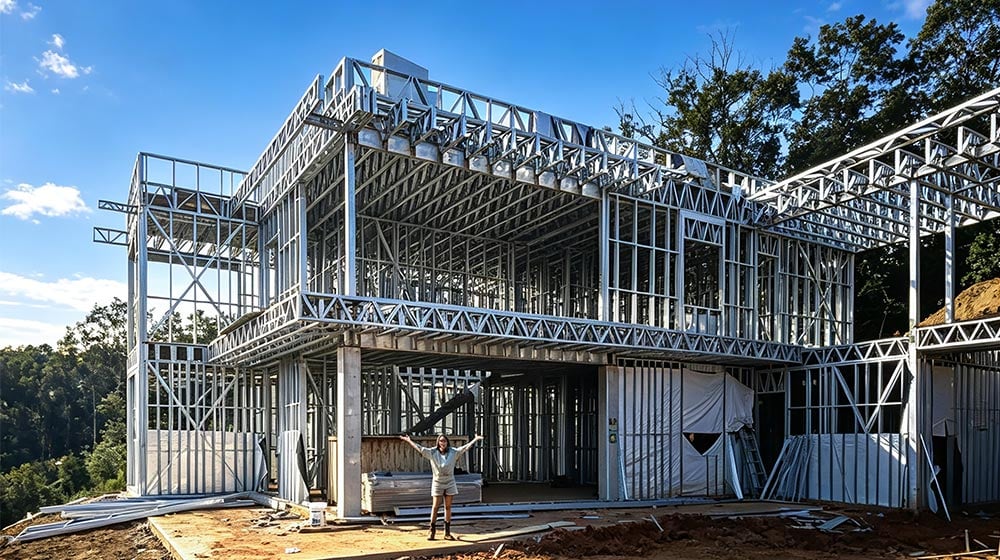
No matter if it is heating in winter or air conditioning in summer, temperature control in indoor environments, especially in manufactured homes and buildings, has always been a major life expense. That is why energy efficient manufactured homes are designed to be a smart way to lower energy use without giving up comfort.
Today at Deepblue Smarthouse, we will explain to you exactly what they are, what features matter most, and which certifications set them apart, so you can make informed purchase choices.
Understanding Energy Efficient Manufactured Homes
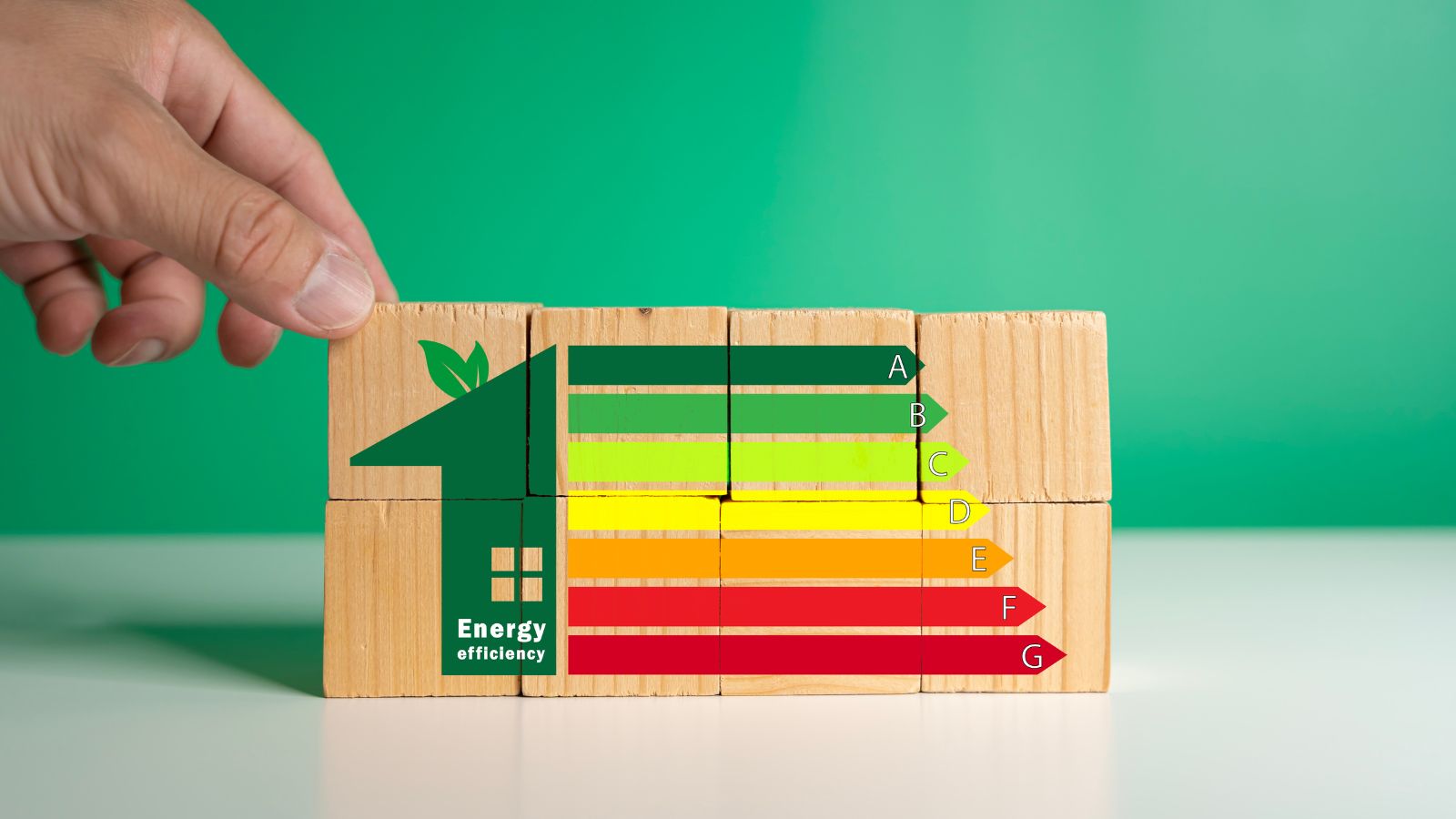
What Defines Energy Efficiency in Manufactured Housing
Energy efficiency in manufactured housing depends on how well the home controls heat flow and air leakage. Builders improve this by adding higher levels of insulation in the roof, walls, and floor.
Key features often include the following:
- High-performance windows and insulated doors
- Sealed duct systems and air sealing around plumbing and vents
- Efficient heating and cooling systems
Factory construction also supports energy efficiency. Crews build these homes in controlled settings, which helps reduce material waste and improve consistency.
As a result, energy efficient manufactured housing can perform similarly to many site-built homes when properly installed and maintained.
Key Features of Energy Efficient Manufactured Homes
Energy efficient manufactured homes rely on strong insulation, tight air sealing, high‑performance windows and doors, and well-matched heating and cooling systems. Smart controls and efficient lighting also reduce wasted energy and improve daily comfort.
Thermal Insulation and Sealing
Quality insulation forms the base of an energy efficient manufactured home. Builders install wall insulation between studs and add roof insulation above the ceiling to reduce heat loss in winter and heat gain in summer.
Manufactured homes also need protection under the floor. A belly wrap covers and supports insulation beneath the home, while insulated skirting blocks cold air from moving under the structure. This step helps prevent frozen pipes and cold floors.
Air sealing matters just as much as insulation. Crews seal gaps around plumbing, ducts, and wiring. They use caulk and foam to stop drafts and reduce moisture problems.
Energy-Efficient Windows and Doors
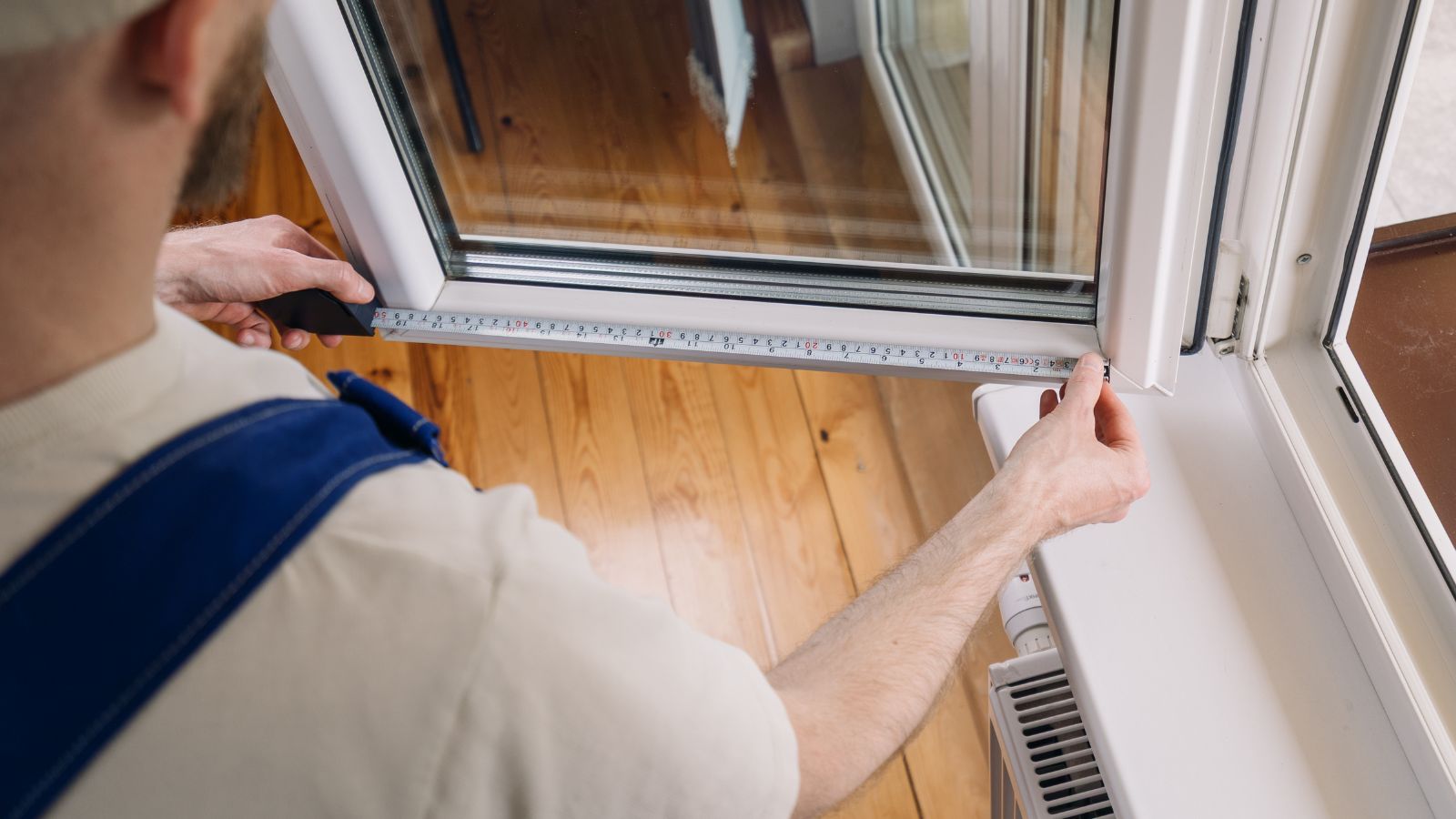
Energy-efficient windows are another component of the system for reducing heat transfer through the glass. Many use double or triple panes with low-emissivity (low‑E) coatings and insulated frames.
Similarly, doors should fit tightly and include solid cores or insulated cores. Builders add weatherstripping around door edges and window sashes to block drafts.
Efficient Heating and Cooling Systems
Heating and cooling systems account for a large share of energy use. High-efficiency heat pumps and furnaces convert more energy into usable heat or cooling than older models.
Many new manufactured homes use electric heat pumps. These systems provide both heating and cooling and work well in moderate climates.
Some owners choose geothermal heat pumps when the home sits on a permanent site. These systems cost more upfront but can reduce long-term energy use.
Smart Thermostats and Controls
A smart thermostat helps control heating and cooling with more accuracy. It adjusts temperatures based on daily schedules and occupancy.
Many smart thermostats connect to mobile apps. Users can change settings remotely and track energy use in real time.
Programmable setbacks lower energy use when no one is home. This feature reduces strain on the HVAC system and cuts utility bills.
When paired with efficient equipment and strong insulation, smart thermostats support steady indoor temperatures and better energy control.
Top Certifications for Energy Efficient Manufactured Homes
While all manufactured homes (built on a steel chassis) must meet the federal HUD Code, the most energy-efficient options go a step further with voluntary certifications. Here are the key labels to look for:
-
HUD Code (The Baseline): This is the mandatory federal standard for all manufactured homes in the U.S. It sets the minimum requirements for safety and energy efficiency. While it ensures a base level of quality, most high-efficiency homes aim to exceed these standards.
-
ENERGY STAR® Certified: This government-backed label indicates a home is significantly more efficient than the HUD Code requires. To earn this, homes undergo third-party testing to verify they meet strict criteria for insulation, air sealing, duct integrity, and high-performance windows.
-
DOE Efficient New Homes: Supported by the U.S. Department of Energy, this program pushes efficiency even further than ENERGY STAR. It focuses on cutting-edge construction practices to create homes that are truly “net-zero ready” and ultra-efficient.
-
NEEM & NEEM+: A regional program (primarily in the Pacific Northwest) that focuses on climate-specific construction. NEEM homes use advanced air sealing and efficient heat pumps, while NEEM+ adds features like solar-ready infrastructure for maximum long-term savings.
Benefits of Choosing an Energy Efficient Manufactured Home
Energy efficient manufactured homes lower monthly costs, reduce environmental impact, and improve daily comfort. They combine modern building standards with smart design choices that support long-term energy savings.
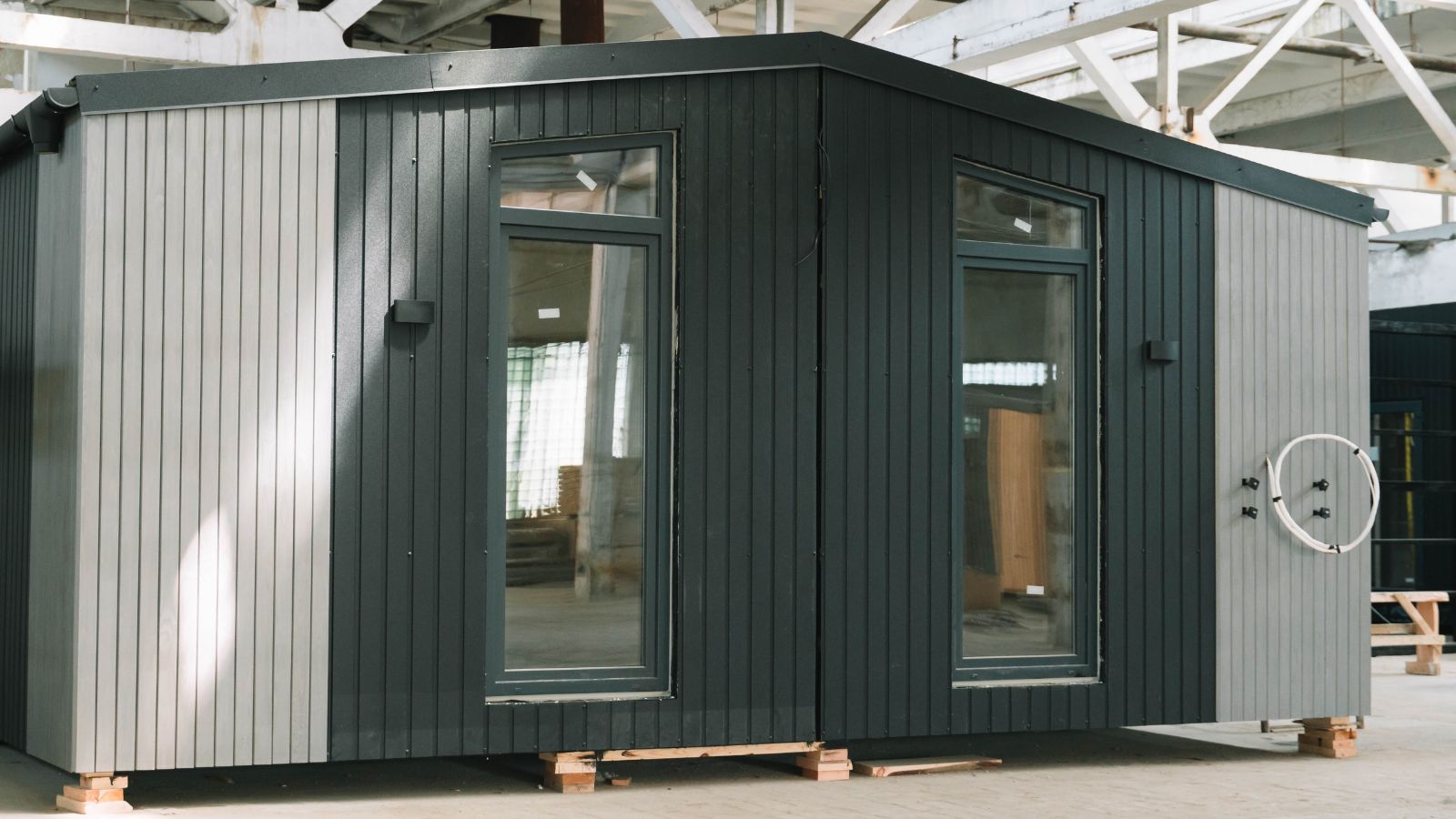
Energy Savings and Reduced Utility Costs
Energy efficient manufactured homes use less power for heating, cooling, and lighting. Builders install better insulation, tighter duct systems, and energy-efficient windows and doors to reduce heat loss.
Many new models meet HUD Code energy standards and often include ENERGY STAR® certified appliances. These features lower electricity use and reduce strain on heating and cooling systems.
Homeowners can expect:
- Lower monthly electric and gas bills
- Reduced heating and cooling demand
- More stable indoor temperatures
Factory construction also limits gaps and air leaks. Crews build each section in a controlled setting, which improves precision. This process helps seal the home tightly and supports steady energy savings over time.
Owners of older manufactured homes can add upgrades such as belly insulation, insulated skirting, and roof caps. These improvements cut drafts and improve system efficiency without replacing the entire home.
Environmental Impact
Energy efficient manufactured homes reduce fuel use and lower greenhouse gas emissions. When a home uses less electricity or gas, power plants burn fewer fossil fuels.
Many homeowners add renewable energy systems to increase environmental benefits. Options include:
- Solar electric (PV) panels
- Solar water heating systems
- Geothermal heat pumps for heating and cooling
These systems lower dependence on nonrenewable energy sources. Solar panels can mount on rooftops or nearby structures, depending on site conditions.
Factory-built construction also creates less material waste than many site-built homes. Builders measure and cut materials with precision, which reduces excess scrap. This controlled process supports more responsible resource use.
Comfort and Indoor Air Quality
Proper sealing does not equal stagnant air, as the air exchange system of a energy efficient manufactured home guarantees good ventilation. There would be air sealing around ducts, plumbing openings, and windows, which limits drafts and helps heating and cooling systems work more effectively.
Improved ventilation and tight construction also support better indoor air quality. When builders seal gaps and install quality ductwork, they reduce dust, moisture, and outdoor pollutants entering the home.
Many models include energy-efficient lighting and appliances that produce less excess heat. This feature improves comfort while supporting continued energy savings.
Deepblue Smarthouse: Your Trusted Manufactured Home Provider
Choosing an energy efficient manufactured home is an investment in long-term comfort, lower utility bills, and a reduced environmental footprint. At Deepblue Smarthouse, we’re committed to helping you find the perfect energy efficient home that fits your lifestyle and budget. Our expert team understands the features, standards, and benefits that matter most—and we’re here to guide you every step of the way.
Ready to lower your energy costs and live more comfortably? Contact Deepblue Smarthouse today, and explore our selection of energy efficient manufactured homes and start your journey toward smarter, more sustainable living.
Frequently Asked Questions
Will I really notice a difference in comfort compared to a standard manufactured home?
You definitely will, because the combination of better insulation, tighter air sealing, and high‑performance windows means fewer drafts, more even temperatures from room to room, and less noise from outside. In short, it just feels more like a traditional site‑built home—only with lower energy bills.
Are energy efficient manufactured homes harder to maintain?
Not at all. In fact, many of the features that make them efficient—like sealed ductwork and quality windows—also make them more durable and lower‑maintenance. And because they’re built in a factory under strict quality controls, there’s often less call for ongoing adjustments compared to some site‑built homes.
Do energy efficient features affect resale value?
Yes, usually in a positive way. Buyers are increasingly looking for homes that promise lower utility costs and better comfort. Having an ENERGY STAR® or DOE certification can make your home stand out in the market and may help it sell faster when the time comes.