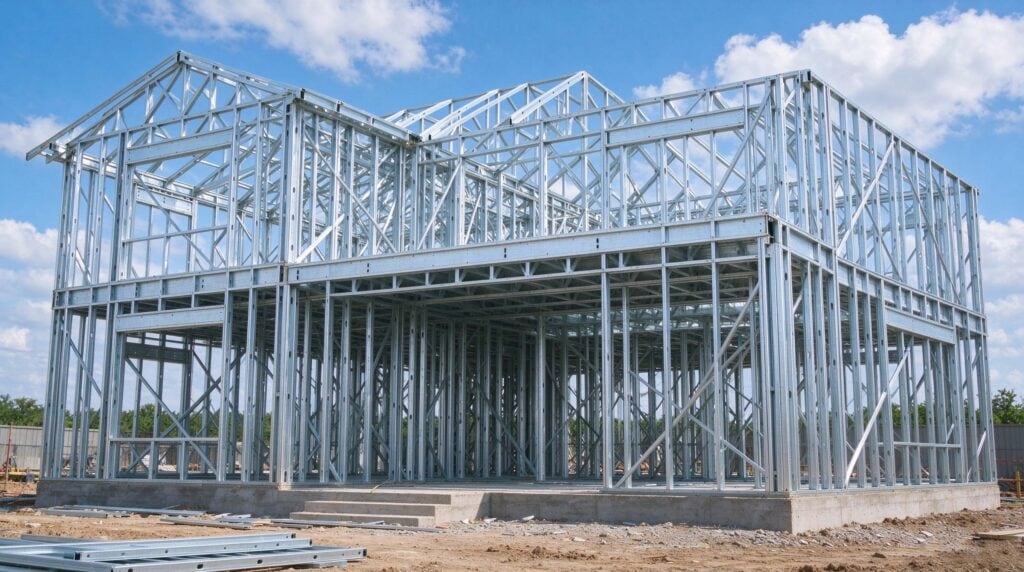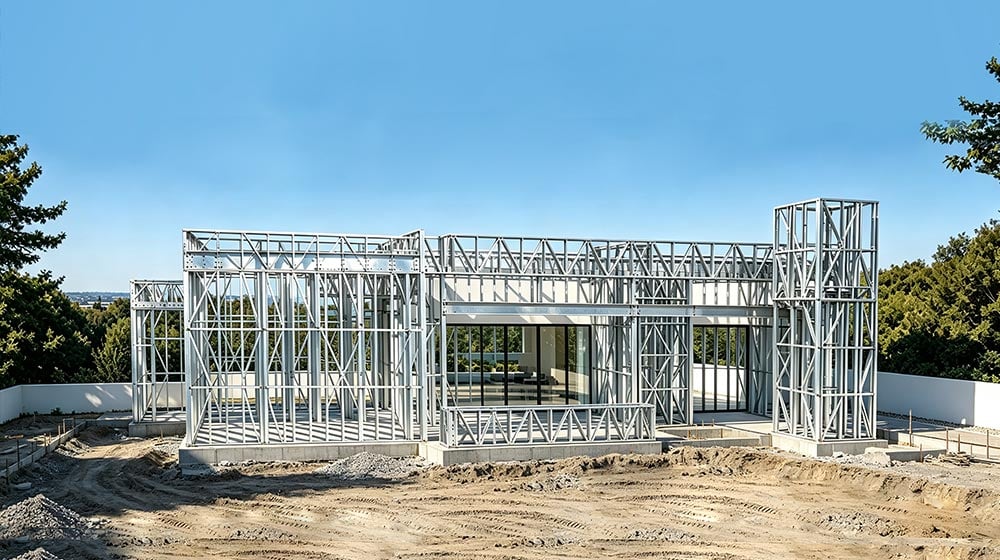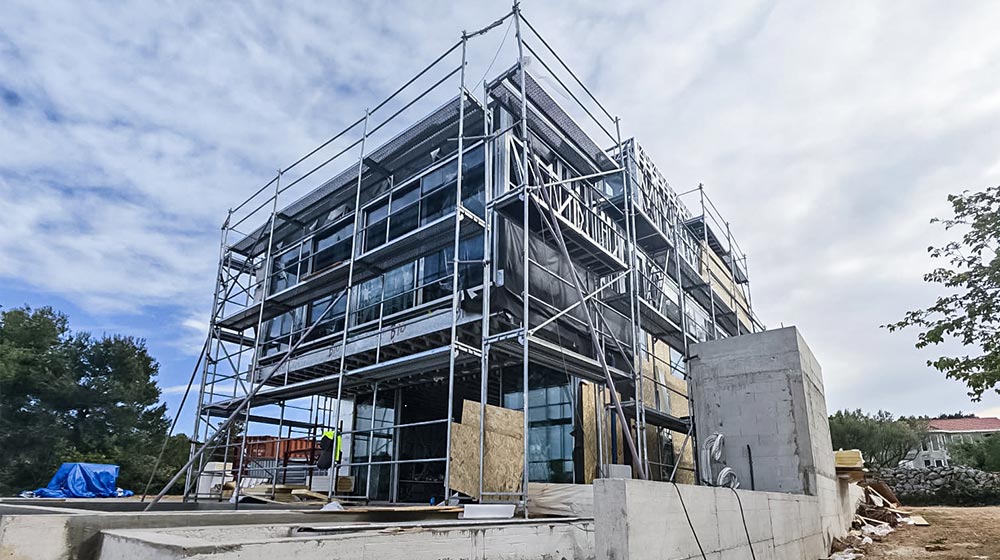
As a leading manufacturer of light gauge steel frame building systems in China, we offer several solutions to address the concerns of our clients about the water-resistance performance of their custom homes, which are listed as follows:
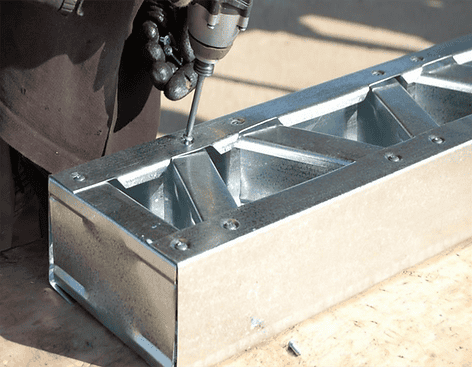
Firstly, we use galvanized steel for the frame. Our cold-formed steel framing is coated with a layer of zinc, this zinc coating acts as a barrier to prevent water. When water drops on the surface of the steel, it reacts with the zinc to form zinc oxide, which is a water-resistant material. And the protective layer of zinc oxide helps to prevent corrosion of the steel and makes it more resistant to water damage. Actually, the structural frame we made is coated with Zinc & Aluminum>150g/㎡ which is good enough to resist water and vapor.
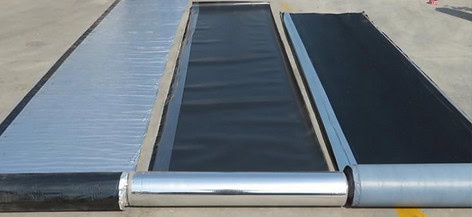
Secondly, we use waterproof materials. Installed waterproof asphalt felts over the exterior of the prefab homes to provide an additional layer of protection against water. Waterproof asphalt felt is a material made from a mixture of asphalt and other materials, such as fiberglass or polyester. It is commonly used as a waterproofing layer in roofing systems because it can provide a durable, effective barrier against water penetration. Besides, we also use a vapor barrier on the interior wall panels to prevent moisture from getting inside the walls.
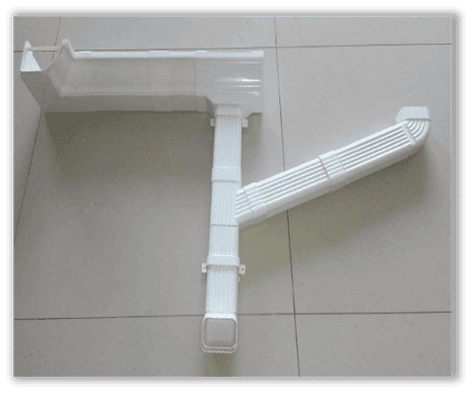
Thirdly, we install gutters and downspouts. Gutters and downspouts are important components of a building’s exterior that help to protect it from water damage. Gutters are installed along the edge of the roof and are designed to collect and channel rainwater away from the building. Downspouts are vertical pipes that are attached to the gutters and extend down the side of the building. Gutters and downspouts will be installed to collect and divert rainwater away from the house and into a drain or other water-drainage system. This can help to prevent water from seeping into the ground or else it may potentially cause damage to the building’s foundation or structure.
What’s more, house owners should regularly maintain and repair the house, including checking for and fixing any leaks or damage, which can help ensure that the light steel structure remains waterproof.
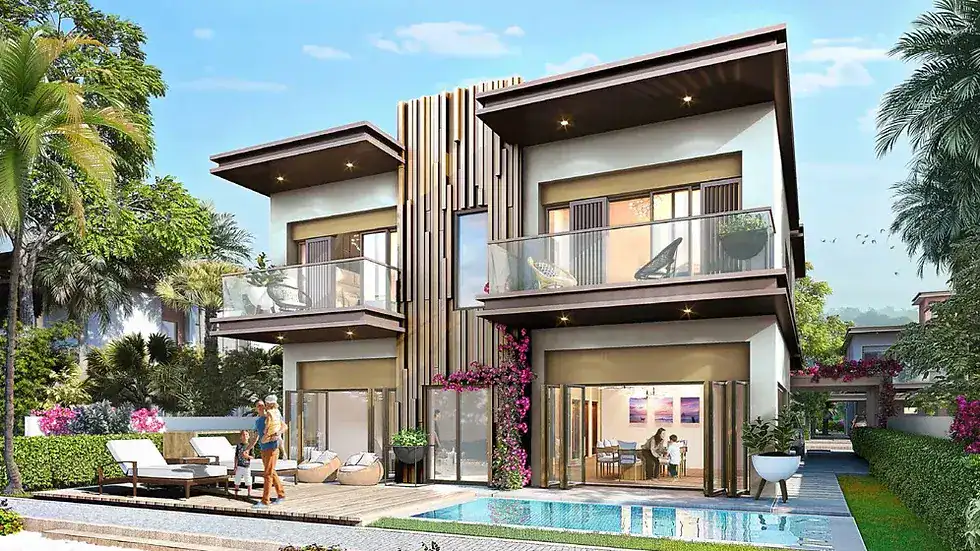
By the above methods, we greatly improve the water resistance performance of our light steel frame house. It wasn’t a crucial factor that affects the decision of clients anymore. Anyway, light steel villa has become a good choice to those who want to have a custom villa with short construction period and outstanding performance. Please contact us for any details you are interested in, we will gladly answer any of your questions.
The DeepBlue Solutions System: A Multi-Barrier Defense
Our philosophy is based on the “Four D’s”: Deflection, Drainage, Drying, and Durability.
Barrier 1: Advanced Envelope Sealing & Air Barrier System
Seamless Membrane Application: High-performance, self-adhering waterproofing membranes at all critical junctions (roof-to-wall, corners, around penetrations).
Intelligent Air Barrier: A continuous, vapor-variable membrane that controls air leakage, reduces energy loss, and allows walls to dry.
Precision Detailing: Proprietary flashing kits and sealing tapes for windows, doors, vents, and utility entries.
Barrier 2: High-Performance Cladding & Drainage Cavity
Ventilated Rainscreen Principle: We integrate a drained and ventilated cavity behind the external cladding (brick, composite panels, etc.). This cavity:
Breaks capillary action.
Allows any penetrated water to drain harmlessly away.
Promotes airflow to dry the structure.
Pressure-Equalized Design: Manages wind pressure differences to minimize water drive-through.
Barrier 3: Condensation Management & Thermal Optimization
Thermal Break Technology: Strategic use of insulating sheathing and thermal breaks within the frame to minimize cold bridging, the root cause of condensation.
Vapor Control Layer: Correct placement of vapor retarders/barriers (interior or exterior based on climate zone) to control diffusion.
High-Efficiency Insulation: Full-fill, non-hygroscopic insulation (e.g., mineral wool) that maintains R-value even if slightly damp and does not promote mold.