Bungalows are a common type of residential building in many regions and countries, but not all of them look the same. These homes share a low profile and practical design, yet their layouts and details can vary greatly.
Whether you wish to pick a type for your future home or need information for a commercial project, this guide can help. Read on, and you’ll learn what defines a bungalow, how the style evolved, and the benefits of modern technology in bungalow construction.
Core Architectural Styles of Bungalows
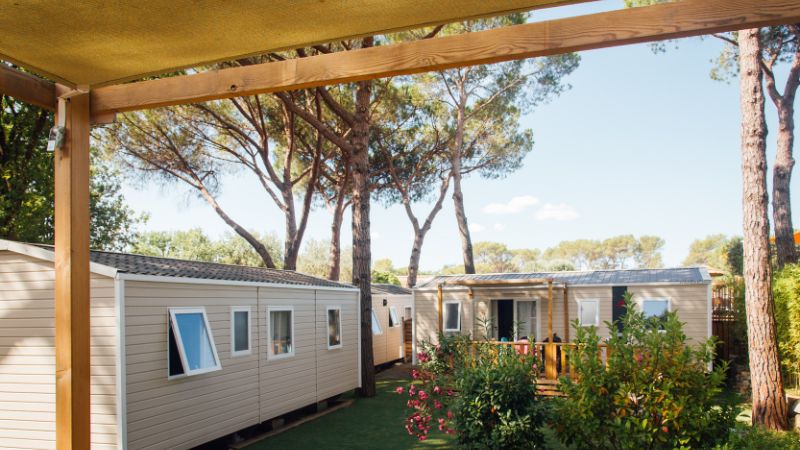
The history of this building style begins in the Bengal region of South Asia, where it was developed for the local climate. The bungalow house usually sits low to the ground and uses a wide footprint. Most of them include a single-story layout or a one-and-a-half story floor plan characterized by low-pitched roofs, deep eaves, and a front porch. These features improve shade and curb appeal.
A bungalow floor plan focuses on function and flow, whatever the style. Rooms connect through short hallways or shared living spaces. Many layouts use open floor plans to combine the living room, dining area, and kitchen.
But open design does not mean wasted space. As a matter of fact, it’s quite the opposite, as most bungalow houses use a functional layout rather than individual large rooms. This makes daily tasks easier and limits wasted space. You can move through the home quickly, which supports both comfort and accessibility.
Traditional Types of Bungalow Design
Craftsman Bungalow
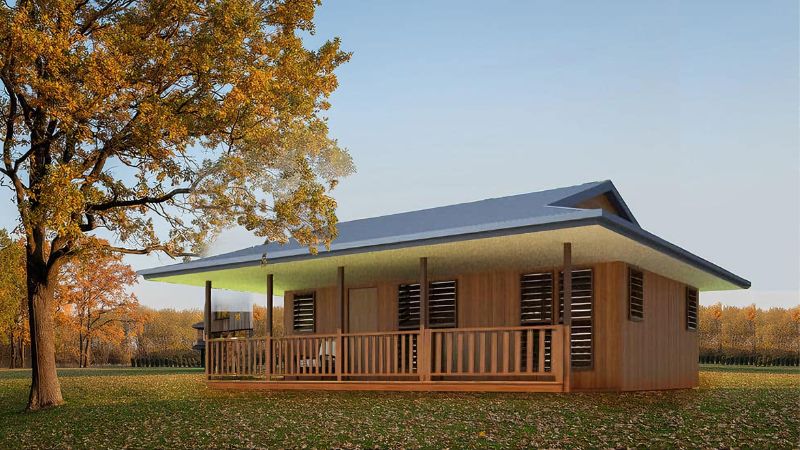
A Craftsman bungalow is one of the best-known American bungalow styles, focused on honest materials and visible structure. This bungalow design typically has a low-pitched roof, wide eaves, and a deep front porch supported by sturdy, tapered columns. Exposed rafters, wood trim, and built-in cabinetry inside give these homes a warm, handcrafted feel.
California Bungalow
A California bungalow was developed for the mild climate and outdoor lifestyle of the West Coast. It usually has a low, spreading roof, a wide front porch, and plenty of windows to bring in natural light. Open, simple floor plans and easy access to gardens or patios make this style well suited to relaxed indoor–outdoor living.
Chicago Bungalow
A Chicago bungalow is a compact city house type built in long rows across early-20th-century neighborhoods. It often has a brick exterior, a low, front-facing gable or hipped roof, and a raised basement to add extra usable space. The footprint is typically long and narrow to fit small urban lots, with a straightforward, efficient layout inside.
Mission Bungalow
A Mission bungalow blends the low, simple form of a bungalow with Spanish and Southwestern influences. It commonly features stucco walls, red clay tile roofs, and arched openings or arcades. Courtyards, patios, and shaded porches are important parts of the design, making this style well suited to warm, sunny climates.
Stilt Bungalow
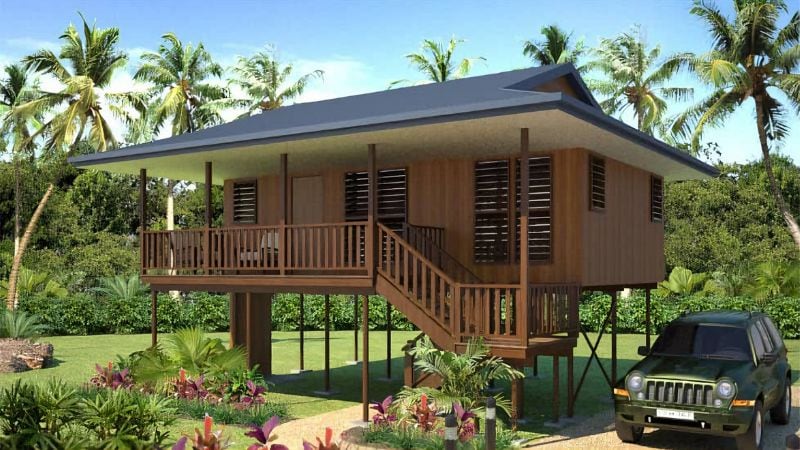
A stilt bungalow is raised above the ground on timber, concrete, or steel supports instead of resting on a standard foundation. The space beneath can be used for airflow, parking, storage, or shaded outdoor living and helps protect the home from flooding in coastal or low-lying areas. This type of bungalow often takes advantage of breezes and views, making it popular in tropical regions and resort settings.
Tudor Bungalow
A Tudor bungalow blends the compact, single-story layout of a bungalow with Tudor Revival details. It often features steeply pitched gable roofs, half-timbering, and tall, narrow windows, giving it a storybook cottage look in a smaller, more manageable footprint.
Chalet Bungalow
A chalet bungalow combines bungalow living with elements of an alpine chalet. It typically has a ground floor plus usable roof space or dormer rooms, wide eaves, and a large front or wraparound balcony, making it feel cozy yet spacious and well connected to outdoor views.
Prairie Bungalow
A Prairie bungalow draws from the Prairie School movement, emphasizing strong horizontal lines and close integration with the landscape. It usually has low-pitched roofs with broad overhangs, grouped windows, and open, flowing interiors that create a calm, grounded feel.
Milwaukee Bungalow
A Milwaukee bungalow is a regional variant common in early-20th-century neighborhoods around Milwaukee. These homes generally have one and a half stories, a full-width front porch, a compact rectangular footprint, and simple Craftsman-style details suited to narrow city lots.
Detroit Bungalow
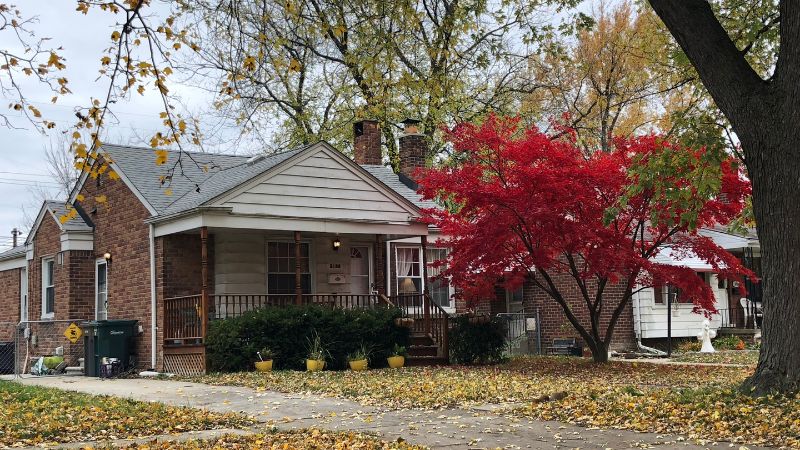
A Detroit bungalow is a modest, one-and-a-half-story house type widely built in Detroit’s residential neighborhoods. It typically has a brick exterior, a small front porch or stoop, and a straightforward layout designed to offer affordable, durable housing for working- and middle-class families.
Modern Bungalow Types
Alongside these traditional styles, many owners and developers now choose modern bungalow types that use updated materials, prefabricated systems, and contemporary layouts. These designs keep the low-rise, compact feel of a bungalow but add better performance, faster construction, and new aesthetics.
Contemporary Minimalist Bungalow
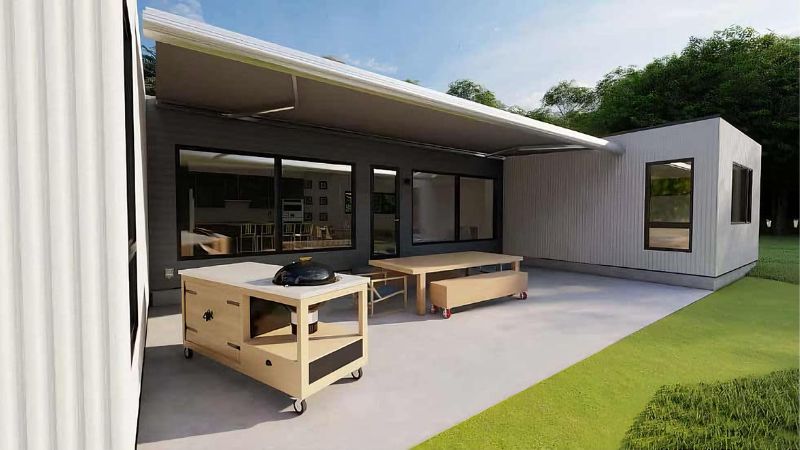
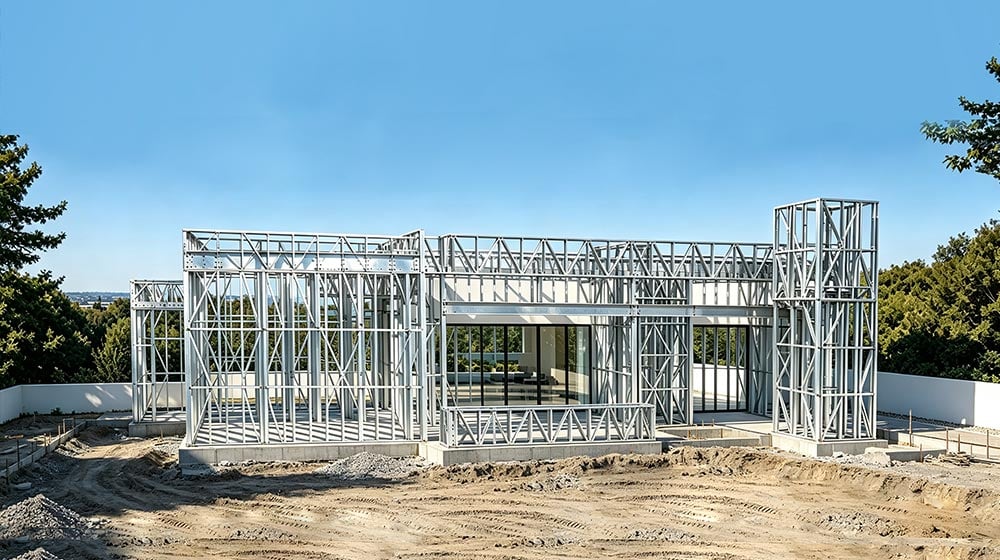
The contemporary minimalist bungalow has a form that is deliberately restrained, featuring flat or very low‑pitched roofs that create strong horizontal and rectilinear emphasis. The overall aim is to express through proportion and materiality rather than decorative detail.
Central to this design philosophy is the expansive glazing, which acts as a permeable boundary, flooding the interior with maximum daylight and offering uninterrupted views. This architectural style embodies a conscious embrace of minimalism and transparency.
Modular/Prefabricated Bungalow
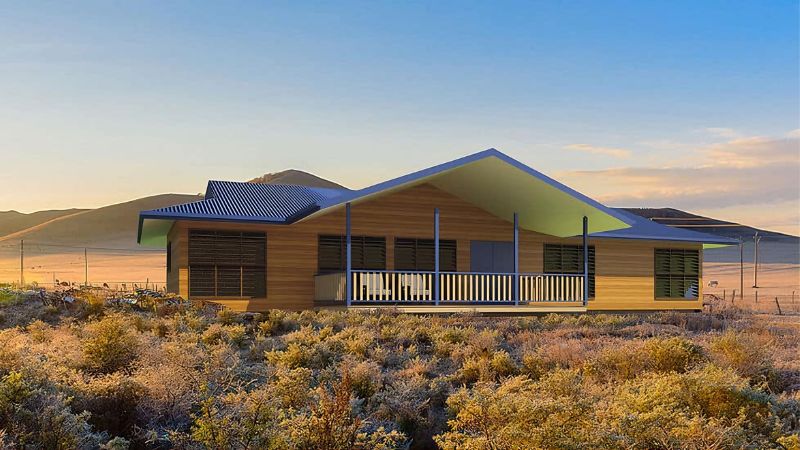
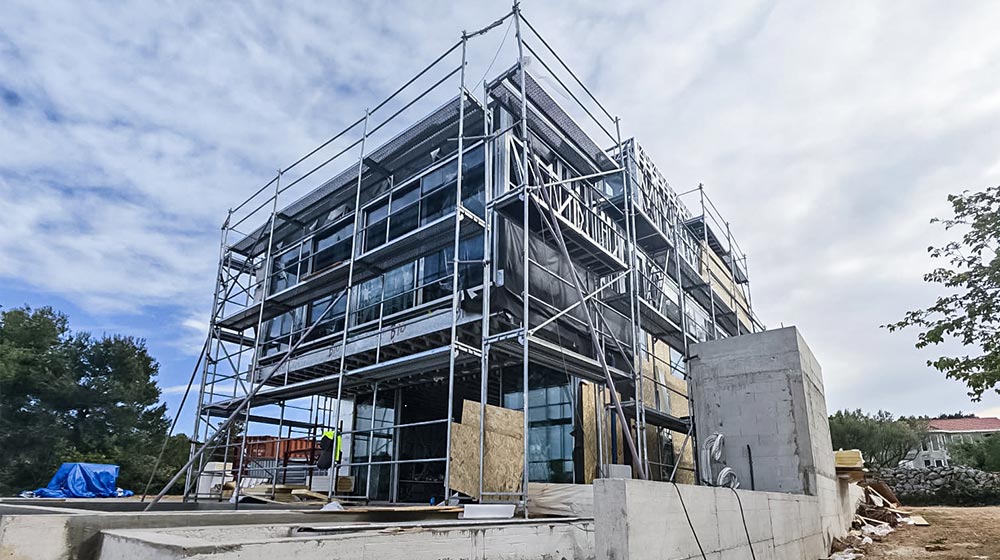
The modular or prefabricated bungalow moves the building process into a controlled factory environment. Here, precision manufacturing ensures exceptional quality control with tight tolerances, greatly reducing material waste and site disturbance. These modular or panelized systems are then transported and rapidly assembled on-site in days or weeks, slashing traditional construction timelines by up to 50%.
Far from being uniform, this approach offers extensive customization. Clients work from adaptable “kit” platforms, tailoring layouts, finishes, and sizes to suit specific sites, aesthetic preferences, and budgets.
A core sustainability advantage is inherent design for disassembly (DfD), where connections allow for future reconfiguration, relocation, or responsible recycling of building components at end-of-life.
By leveraging off-site construction technology, the prefabricated bungalow delivers a superior blend of efficiency, cost predictability, and a minimized environmental footprint, making quality housing more accessible and resilient.
Over-water Modern Bungalow
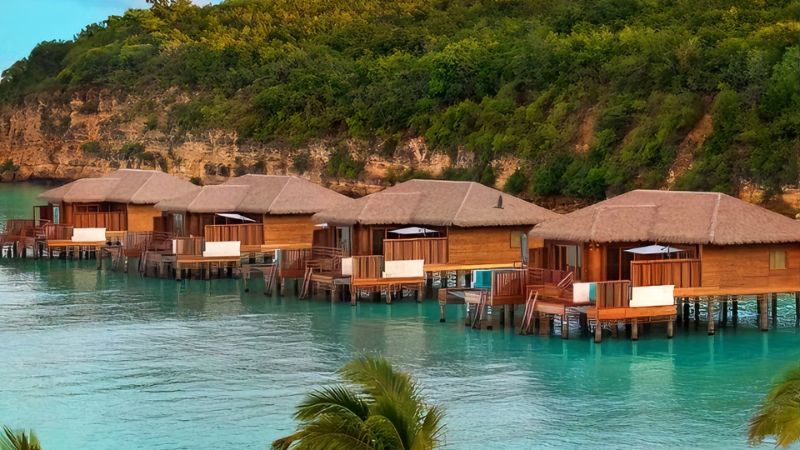
The iconic overwater bungalow is a pinnacle of resort luxury, offering an unparalleled connection to the marine environment. Its appeal is built on unique features: private ladders for instant ocean immersion, large glass panels for observing oceanfront views, and the serenity of a tranquil lagoon.
For resorts, these structures are transformative assets. They define a brand’s identity, command the highest room rates, and generate powerful visual marketing that attracts honeymooners and travelers globally.
However, their construction presents significant engineering challenges. Structures are built to withstand corrosive saltwater, dynamic tidal forces, and potential storms. This requires specialized materials and robust stilt foundations.
Micro/Accessory Dwelling Unit (ADU) Bungalow
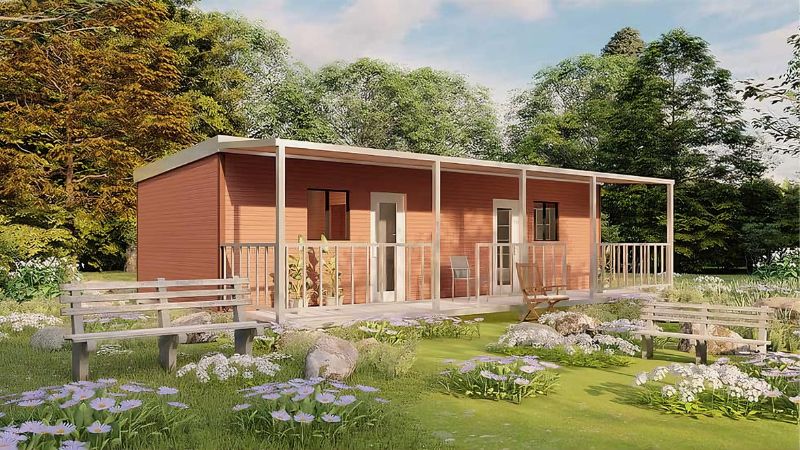
Commonly built to “granny flat” or rental standards, the Micro or Accessory-Dwelling Unit (ADU) Bungalow is a strategic urban housing solution, designed to maximize utility on minimal land. These units are often modular for the needs of speed and factory precision and are deployed on small patches of unused land or backyard lots, effectively increasing density without altering neighborhood character.
Fundamentally, the ADU bungalow addresses two critical modern needs: alleviating urban housing shortages by adding discrete rental inventory and supporting multi-generational living by providing independent yet proximate space for family members, all while promoting sustainable land use.
Benefits of Modern Bungalows
Practical Advantages for Everyday Living
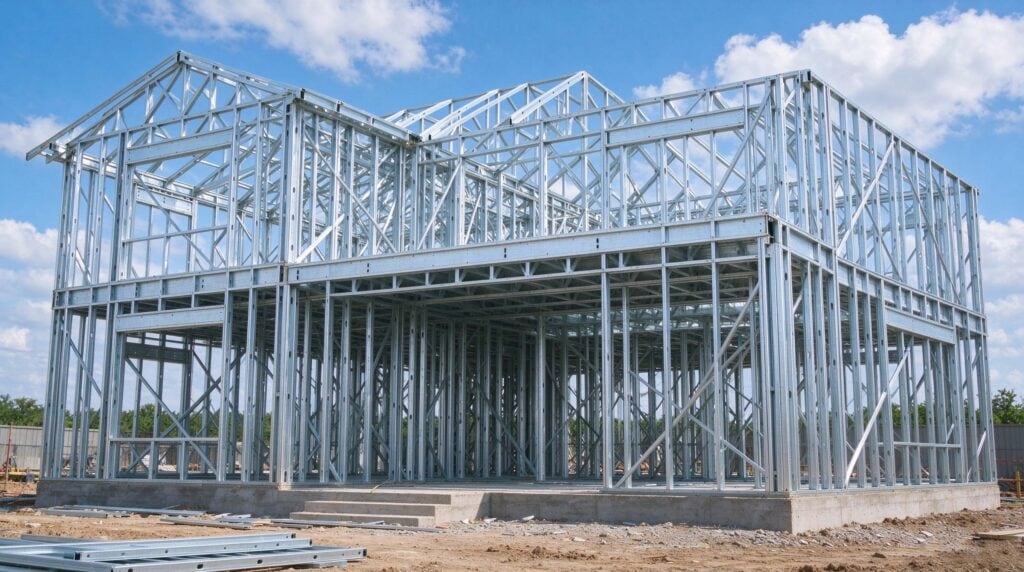
Modern bungalows built with prefab light steel frame (LSF) systems can be highly efficient, because the structural efficiency of LSF framing supports open-plan interiors and clear sightlines, helping compact homes feel larger and brighter.
Large openings, high-set windows, and dormers can be integrated without compromising structural stability, improving natural light and ventilation. Overall, bungalows provide a strong balance between a smaller footprint and high usability, ideal for both modest homes and larger, more flexible layouts.
Exceptional Design Flexibility
Although the structural core may be steel, modern bungalows can still deliver a classic, warm aesthetic. The walls provide straight, true surfaces that are ideal for built-in cabinets, window seats, and shelving, maximizing storage without sacrificing floor space.
Exteriors supported by cold-formed steel frames can be finished with brick veneer, wood or fiber-cement siding, stucco, or acrylic render, while roofs can carry clay tiles or heavy shingles above durable steel roof trusses, preserving traditional bungalow character.
Inside, engineered spans allow for features such as exposed beam ceilings, a central fireplace, and hardwood or engineered flooring over a layer of stable steel joists. Covered front porches, wrap-around verandas, and generous eaves are easily supported by steel frames and brackets, combining visual depth with long-term durability and low maintenance. The result is a bungalow that feels timeless in style but performs at contemporary standards.
Accessibility and Long-Term Livability
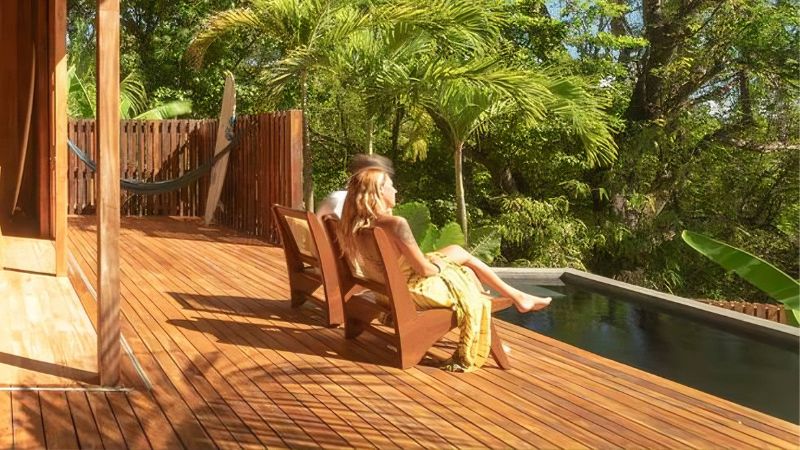
Aside from appearance and quality, modern bungalow also greatly improve accessibility and long term living. A bungalow could:
-
Promotes Accessibility & Aging in Place: The layout is inherently suited for changing mobility needs, allowing residents to remain independent longer.
-
Enhances Safety: Eliminates internal stairs, which naturally reduces the risk of falls and removes major physical barriers.
-
Simplifies Accessibility Renovations: Features like wide doorways, step-free entries, walk-in showers, and lever-style hardware are often easier and less costly to incorporate compared to multi-story homes.
-
Reduces Maintenance & Upkeep: A compact, single-floor footprint typically means less space to clean, repair, and maintain.
-
Lowers Energy Consumption: The smaller, more efficient layout generally requires less energy to heat and cool.
-
Supports Long-Term & Retirement Planning: The combination of safety, accessibility, and lower upkeep makes it a practical and comfortable choice for long-term residence.
Outdoor Living and Social Connection
Bungalows frequently emphasize a strong indoor–outdoor relationship. Load-free walls support large doors and generous window openings, visually extending indoor rooms into outdoor areas and improving airflow. Front-facing porches naturally encourage interaction with neighbors and the surrounding street, supporting a stronger sense of community.
At the same time, backyards and side yards can be designed as private, functional outdoor rooms for gardening, relaxation, or entertaining—often without stairs or elevated decks. This blend of sociable frontage and private retreat makes bungalows appealing for both families and hospitality uses.
Summary
Popularized globally during the Arts and Crafts movement for its honest craftsmanship and simple form, the core appeal of bungalow architecture has endured. Modern bungalows combine accessible, single-level living with strong indoor–outdoor connections, timeless character, and the performance benefits of systems like prefabricated light steel framing.
Today, the bungalow housing style remains popular in regions including Europe, North America, and Australia, continuously adapted with modern materials and building systems to meet contemporary needs while retaining its essential character. For personal residences or commercial projects, they deliver user-friendly circulation, distinctive charm, and cost-effective operation, making bungalows a versatile and future-ready choice across many building types.