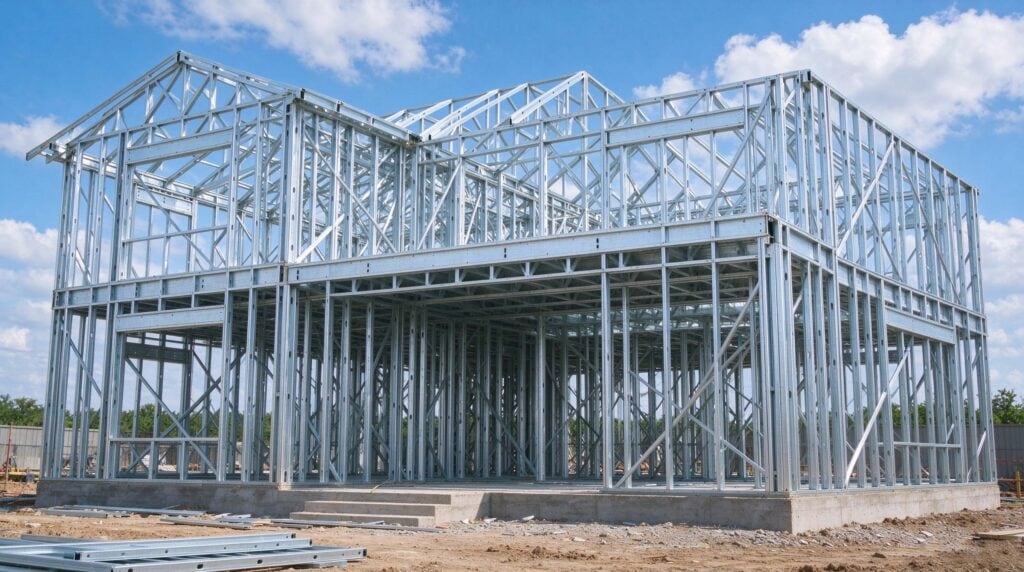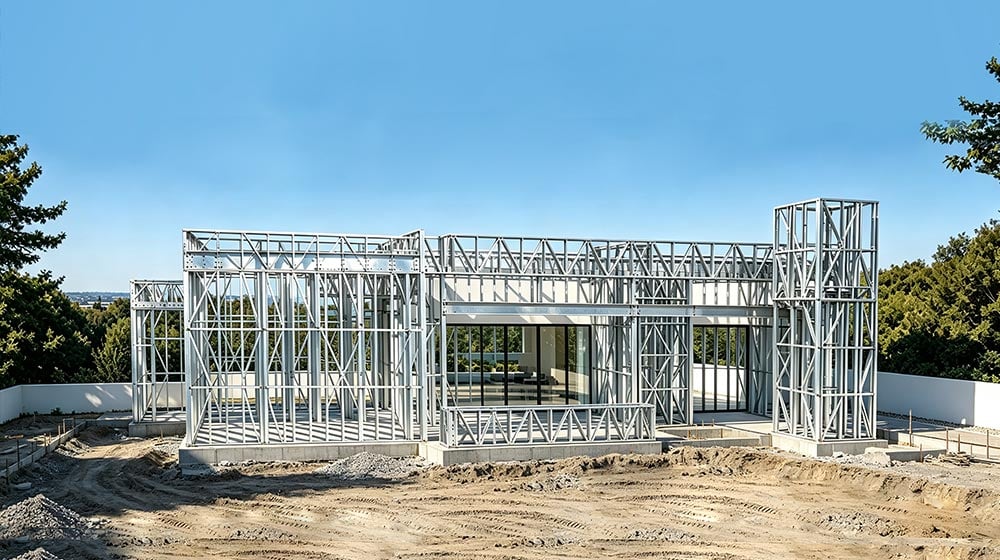
Cold formed steel and structural steel are common building materials in the construction industry, and despite certain similarities, their roles vary drastically.
Whether you are a developer, an architect, or simply someone who wants to learn more before starting your own building project, this blog is for you. Here we will compare the two types of steel from the perspectives of production, performance, and applications.
Comparison of Manufacturing Processes
Cold formed steel(CFS) and structural steel differ most in how they are shaped and treated. One process forms thin sheet steel at room temperature, while the other shapes thicker sections at high heat into large load‑bearing members.
Cold Formed Steel Production
Manufacturers create cold formed steel by shaping thin steel sheets at room temperature, eliminating the need for heat.
The process begins by feeding continuous coils through roll-forming machines or press brakes, where rollers bend the steel in progressive stages.
To ensure this structural integrity lasts, most cold-formed steel is galvanized with a zinc coating to resist corrosion. The final result is a highly engineered component: because the steel is cold-rolled, it can be formed into precise, complex shapes that maximize load-bearing capacity without adding unnecessary weight.
Key traits of this process include:
- Thin material, often under 1/4 inch
- High dimensional accuracy
- Fast, automated production from steel coils
- Minimal material waste
The result is lightweight members suited for walls, floors, and roof systems in mid-rise and low-rise buildings.
Structural Steel Production
In contrast to cold forming, structural steel is shaped at extremely high temperatures. This ‘hot rolling’ process passes the metal through massive rollers to create dense, heavy cross-sections.
Because the steel is malleable at these temperatures, mills can produce thick, load-bearing members that provide immense structural capacity. These heavy-duty shapes are the foundation of frames in high-rise towers, bridges, and large-scale commercial projects.
Common features of this process include:
- High heat during forming
- Thick cross sections
- Standardized beam and column sizes
- High load capacity
Material Profiles and Common Shapes
The difference in manufacturing leads to distinct material profiles.
Cold-formed steel framing utilizes thin-walled, complex shapes designed for efficiency. Common profiles include C-shaped studs, U-shaped tracks, Z-sections, and hat channels. Because the material is thin, engineers can precisely adjust flange widths and lip sizes to meet specific design loads without wasting steel.
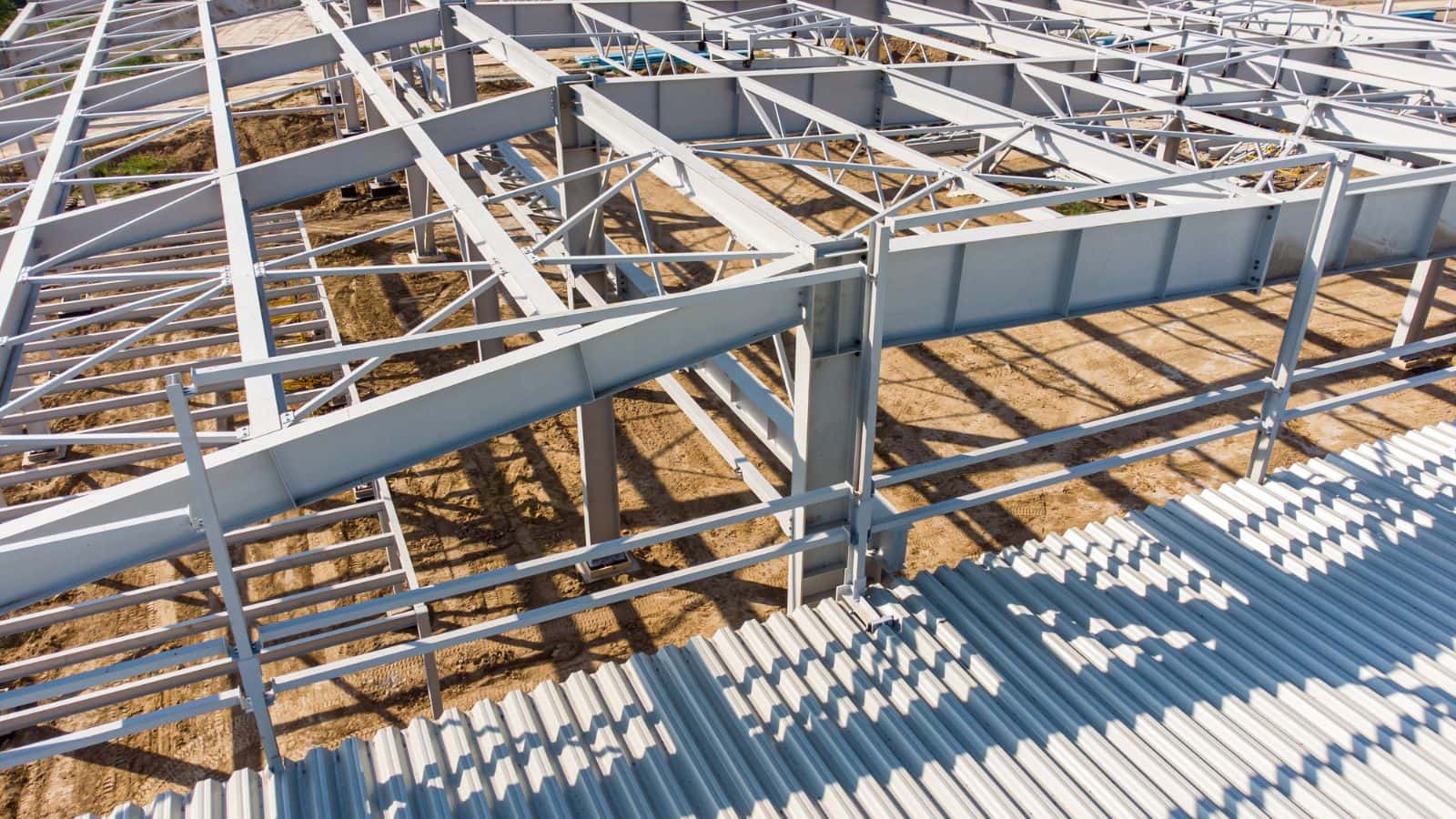
Conversely, structural steel is characterized by heavy, thick cross-sections built for strength. The most common hot-rolled shapes include:
- Wide flange (W) beams and I-beams
- Channels and angles
- Hollow structural sections (HSS)
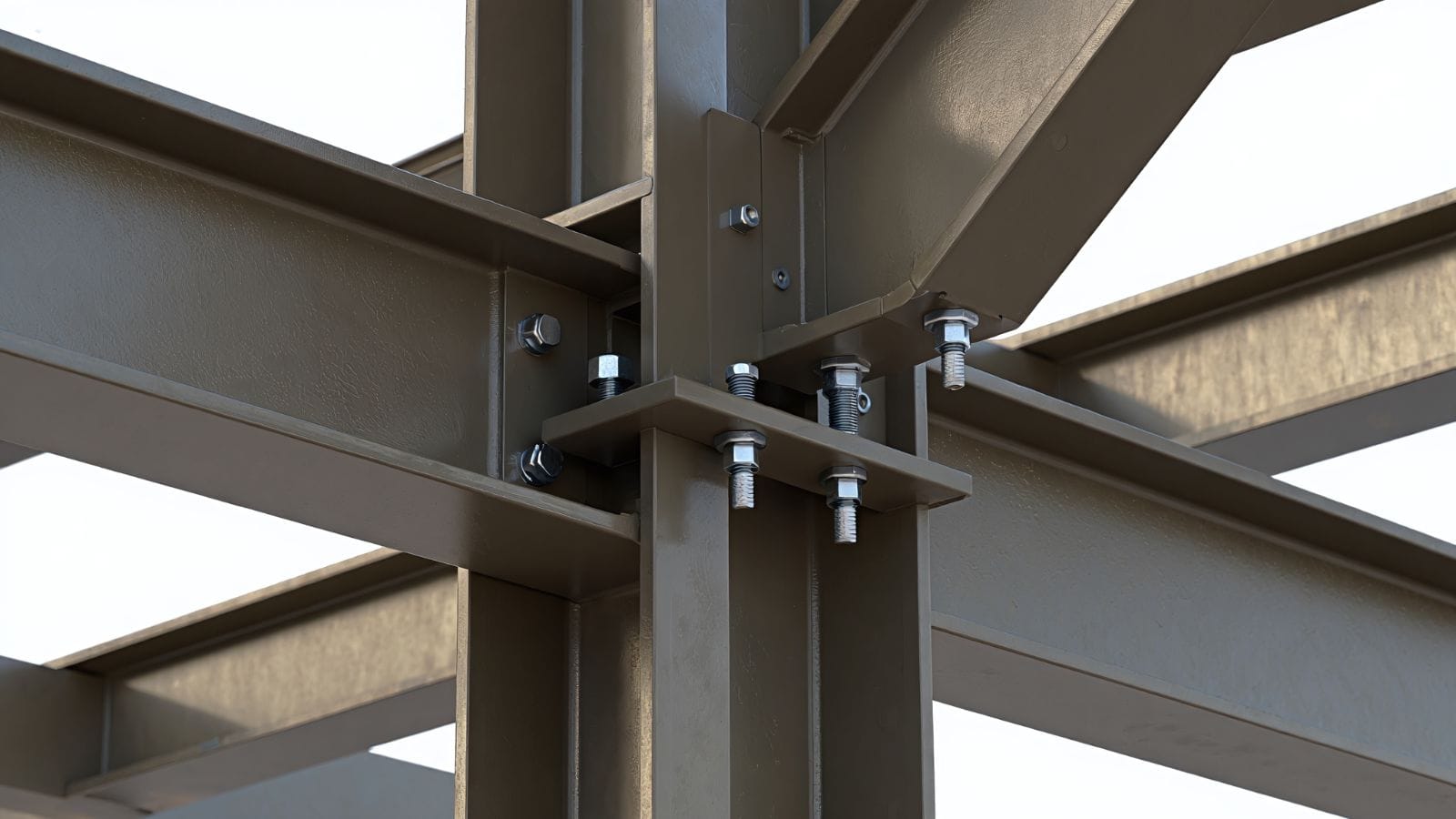
These massive members—specifically the wide flange and I-beams—utilize their thick webs and flanges to resist bending and shear forces.
Differences in Features Between Cold Formed Steel and Structural Steel
Cold formed steel and structural steel differ in how they handle strength, weight, and load demands. These differences affect design choices, framing methods, and cost control in real projects.
Strength and Strength-to-Weight Ratio
Both materials offer high strength, but they achieve it in different ways.
Structural steel forms with heat and often comes in heavy shapes that are designed to resist very high forces in tall buildings and large open spaces.
Cold formed steel, often called light gauge steel, forms at room temperature from thin steel sheets. The forming process can increase yield strength because it reshapes the metal without heat.
When comparing strength-to-weight ratio, cold formed steel performs well. It delivers strong performance for its weight, which helps in mid-rise buildings, hotels, and panelized systems.
Weight and Thickness Comparison
Weight marks one of the clearest differences between cold formed steel and structural steel, because structural steel members are often significantly thicker and heavier.
Cold formed steel uses thin sheets, usually measured in gauges. Because it uses thinner material, light gauge steel reduces dead load on foundations. This lower weight can shrink footing sizes and lower some transportation costs.
However, thin sections also limit how much force each member can carry. Structural steel uses thicker sections to handle heavy loads and long spans without excessive deflection.
Load-Bearing Capacity
Load-bearing capacity separates these two systems in many projects. Structural steel supports very high axial and lateral loads. Engineers rely on it for steel columns, transfer beams, and frames in high-rise towers and industrial plants.
Cold formed steel works well in load-bearing walls for low- to mid-rise buildings. Modern profiles with added bends improve axial capacity. Still, height and span limits remain stricter than with structural steel.
Dimensional Consistency
Cold formed steel offers high dimensional consistency, because manufacturers form it from coils under controlled factory conditions, so each stud or track comes out with a uniform shape and size.
This consistency helps crews install framing quickly. Pre-cut lengths reduce field cutting and material waste. Tighter tolerances also improve alignment in panelized or modular construction.
Structural steel also follows strict fabrication standards. However, its larger size and welded or bolted connections can introduce more field adjustments.
Advantages and Limitations
Each material brings clear strengths and trade-offs.
Cold Formed Steel
- High strength-to-weight ratio and durability
- Lighter foundations due to lower dead load
- Fast installation with factory-cut members
- Height and span limits compared to heavy steel
Structural Steel
- Very high load capacity
- Suitable for tall buildings and long spans
- Heavier members require lifting equipment
- Fewer height restrictions
In the debate of cold formed steel vs structural steel, the decision depends on scale, load demands, and building height, which will be further explained in the step-by-step guide later.
Applications in Construction
Cold-formed steel and structural steel serve different roles in steel construction. Builders choose each material based on building height, load demands, speed of installation, and project budget.
High-Rise Buildings
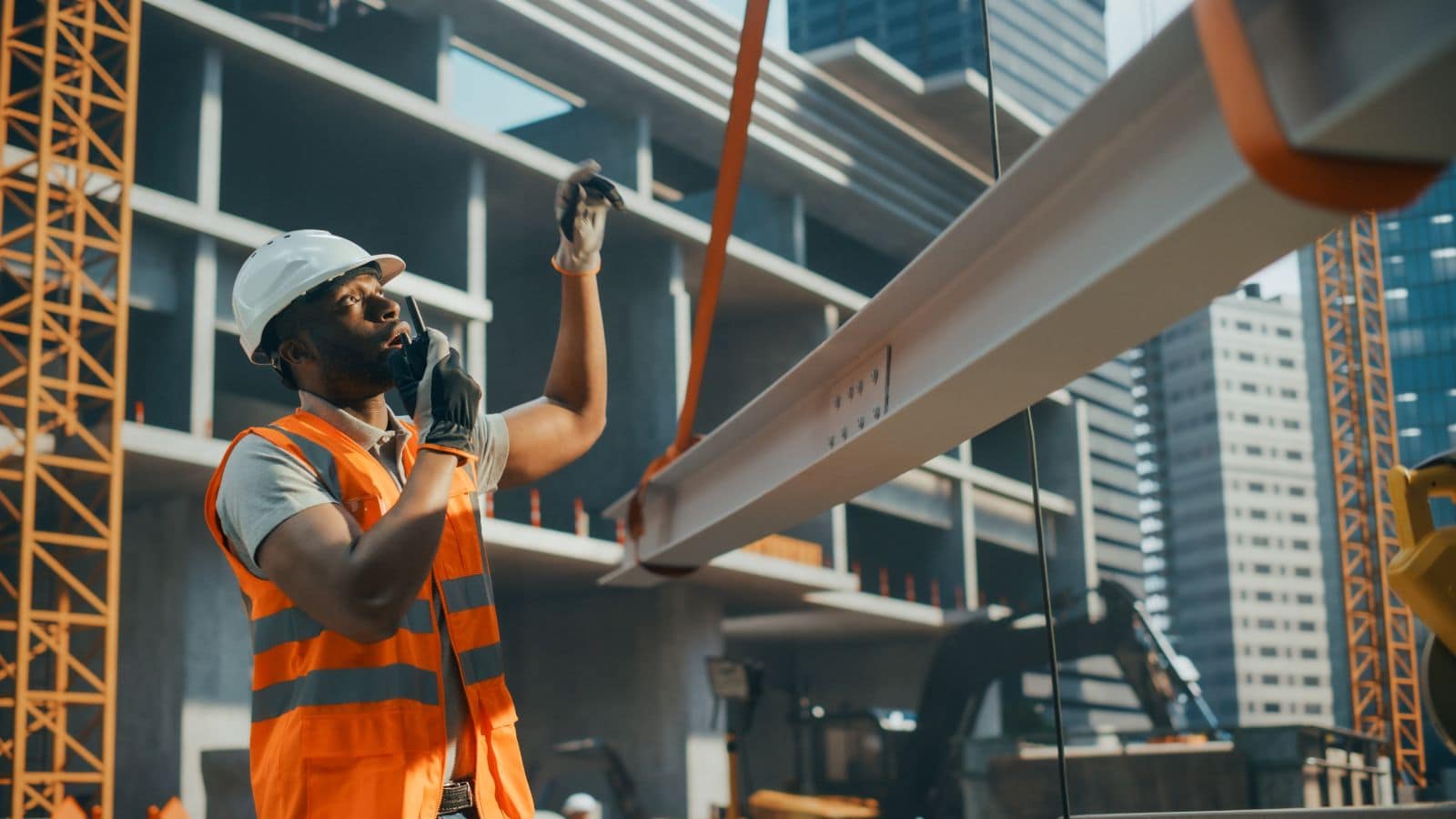
Structural steel is the indisputable choice for high-rise commercial construction. Crews use hot-rolled steel beams, columns, and girders to carry immense structural loads brought by concrete and other heavy materials used in high-rise construction. These steel members handle long spans and open floor plans found in offices, hospitals, and retail centers.
Engineers often select structural steel when a project exceeds typical height limits for light-gauge framing. It performs well in towers, large warehouses, and multi-story mixed-use buildings.
Residential and Commercial Use
Cold-formed steel plays a strong role in residential and commercial projects. Builders use it for both load-bearing and non-load-bearing walls in mid-rise apartments, hotels, and schools.
Light-gauge steel members, such as studs and tracks, arrive cut to length. Crews assemble them quickly with screws, which reduces on-site cutting and waste. This process supports tighter schedules and cleaner job sites.
Structural steel still appears in some light commercial buildings. Designers may use steel beams to create open lobby areas or support longer roof spans. However, most wall framing in these projects relies on cold-formed steel because it is lighter and easier to handle.
Panelized and Prefabricated Systems
Cold-formed steel almost dominates panelized construction and prefabrication. Manufacturers assemble wall panels, floor cassettes, and roof trusses in a factory. They then ship these components to the site for fast installation.
This method improves quality control, as workers build panels in a controlled setting, which reduces weather delays and material damage. It also limits waste compared to some traditional construction materials.
Structural steel supports may appear in large-scale prefabrication in larger projects, but they often require a crane to lift them into place.
Step-by-Step Guide: Selecting the Right Steel for Your Project
Choosing between cold-formed steel (CFS) and structural steel comes down to matching the material’s capabilities with your project’s specific demands. Follow these five steps to determine the best approach:
Step 1: Evaluate Building Height and Scale
Your building’s vertical footprint is the fastest way to narrow your choices.
For low- to mid-rise projects (typically 1 to 8 stories), CFS provides more than enough structural integrity while keeping foundation costs low.
For high-rise towers or massive industrial facilities, the heavy mass of structural steel becomes a necessity.
Step 2: Determine Span and Open Space Requirements
Look at your floor plans.
If your project features highly repetitive layouts with frequent demising walls (like hotels, apartments, or dormitories), CFS is the most efficient choice.
If your design requires massive, column-free open spaces (like stadiums, aircraft hangars, or open-concept office lobbies), you will need the long-span capabilities of structural steel I-beams.
Step 3: Assess Site Logistics and Equipment
Consider your job site constraints.
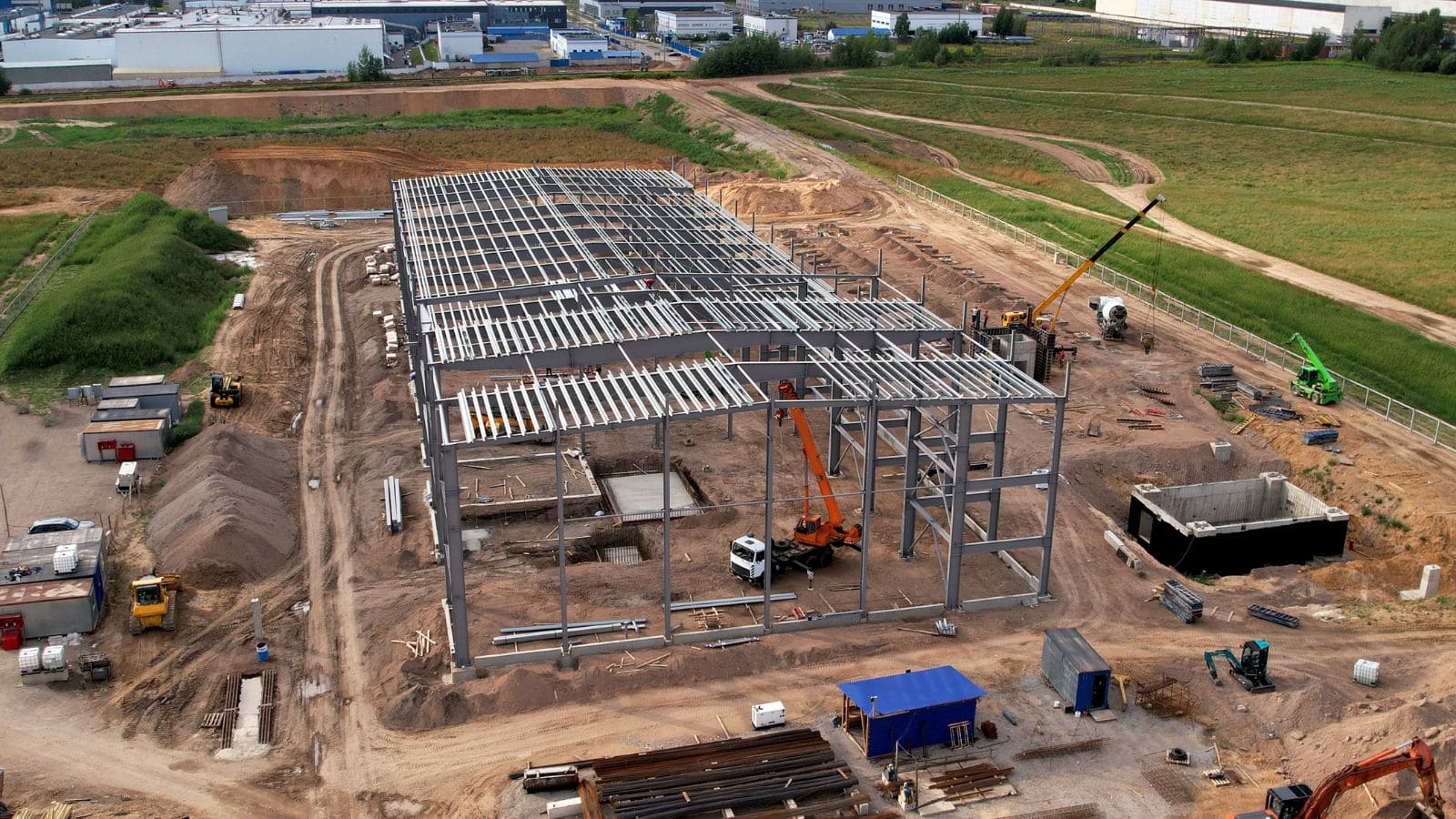
Structural steel requires heavy cranes, extensive welding, and ample space for staging massive beams.
Comparatively, light-gauge CFS panels can be maneuvered with smaller equipment and assembled with simple hand tools, making them ideal for tight urban infill sites.
Step 4: Factor in Prefabrication and Speed
If speed-to-market is a primary goal, cold-formed steel holds a distinct advantage. Because CFS is lightweight and manufactured to precise tolerances, it is the ideal material for off-site panelization. Entire wall and floor cassettes can be built in a factory and rapidly assembled on-site, slashing your construction schedule.
Step 5: Consider a Hybrid Approach
You rarely have to choose just one. For mid-to-high-rise projects, the most cost-effective and efficient solution is often a hybrid system. Use structural steel for the primary load-bearing frame and elevator cores, while utilizing prefabricated CFS panels for the exterior curtain walls, interior partitions, and floor joists.
Frequently Asked Questions
Is one type of steel more cost-effective than the other?
While material costs can fluctuate, the overall budget impact often depends on the scale of the project. Structural steel typically requires heavy foundations and expensive crane rental for erection, which can increase site costs.
Cold formed steel is often more economical for the overall structure of mid-rise buildings because its lighter weight reduces foundation requirements and its faster, screw-driven installation lowers on-site labor expenses.
How do these materials perform in terms of sustainability and recyclability?
Both materials are highly sustainable options for construction. Steel is one of the most recycled materials in the world, and both CFS and structural steel contain a high percentage of recycled content.
However, because cold formed steel members are lighter and manufactured to precise specifications, they often generate less scrap material on the job site compared to the cut-and-waste that can occur with larger structural beams.
How do the on-site construction processes differ between the two materials?
The installation methods are quite distinct. Structural steel erection requires heavy cranes to hoist beams into place and welders or ironworkers to create permanent bolted or welded connections.
In contrast, cold formed steel assembly is more akin to “stick-building” with metal; crews can manually handle the lightweight studs and tracks, joining them quickly with self-drilling screws.
This makes CFS installation faster, quieter, and less dependent on heavy equipment than structural steel framing.