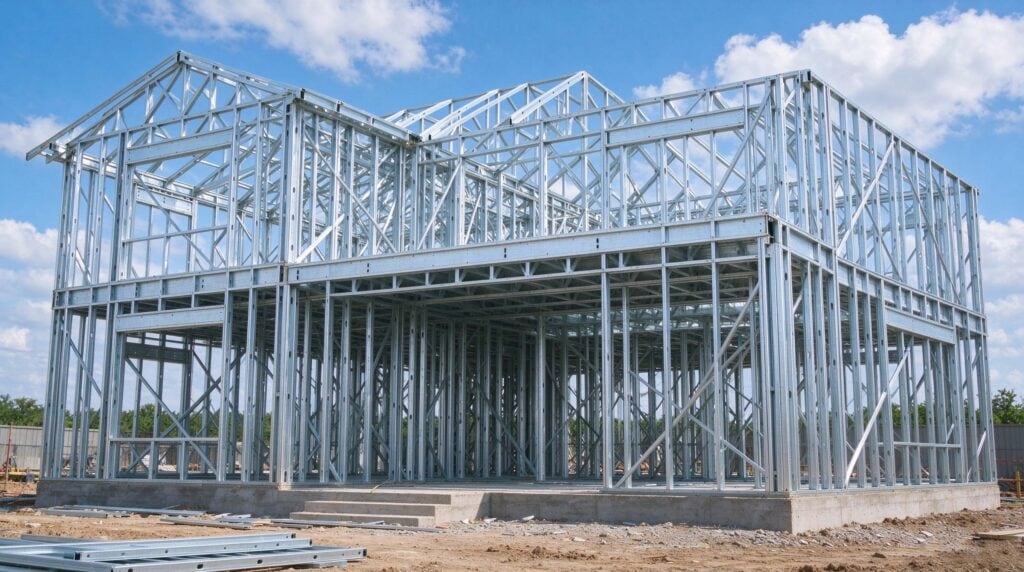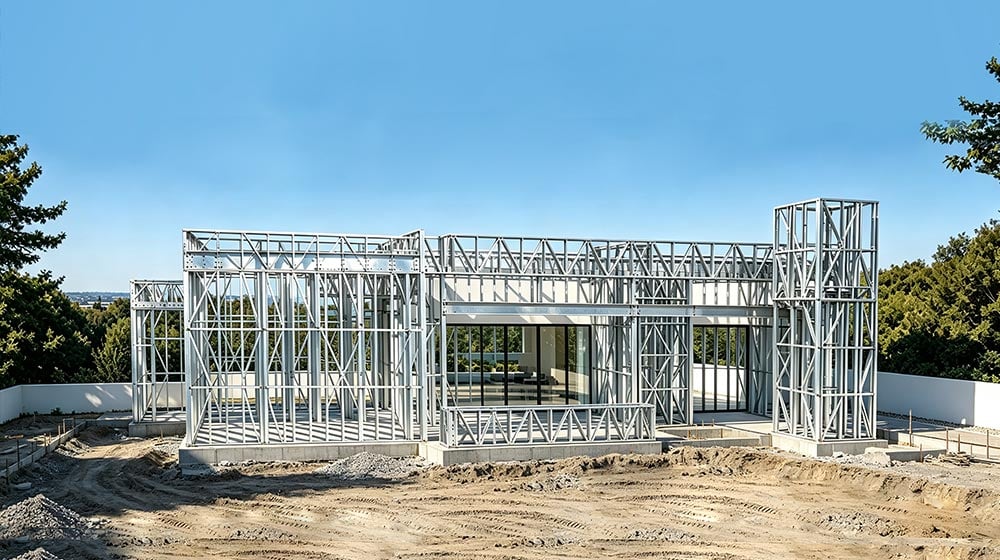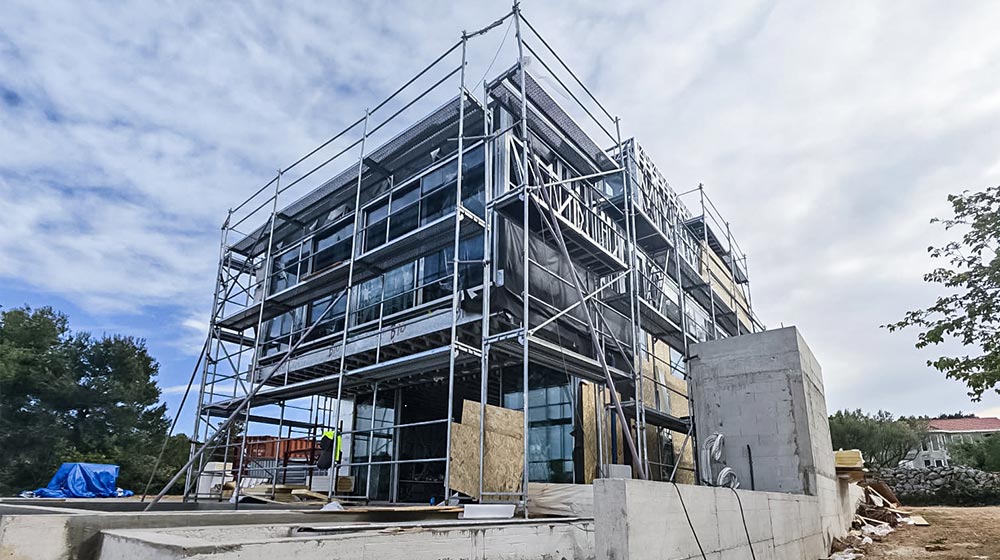
Buyers of prefab homes often raise a simple yet serious question: How long will prefab homes last? The answer depends on how they are built, installed, and cared for over time.
Today, we will explain to you what to expect about the lifespan of prefab houses by breaking down the key factors that affect durability. This should help you grasp a general idea as to how to extend the service life of prefab buildings and why long-lasting prefab homes can deliver strong value over time.
How Prefab Home Types Affect Longevity
Prefab homes include several building methods that affect strength, lifespan, and legal status. Buyers need to know how these homes differ, how they attach to land, and which rules apply to long-term use.
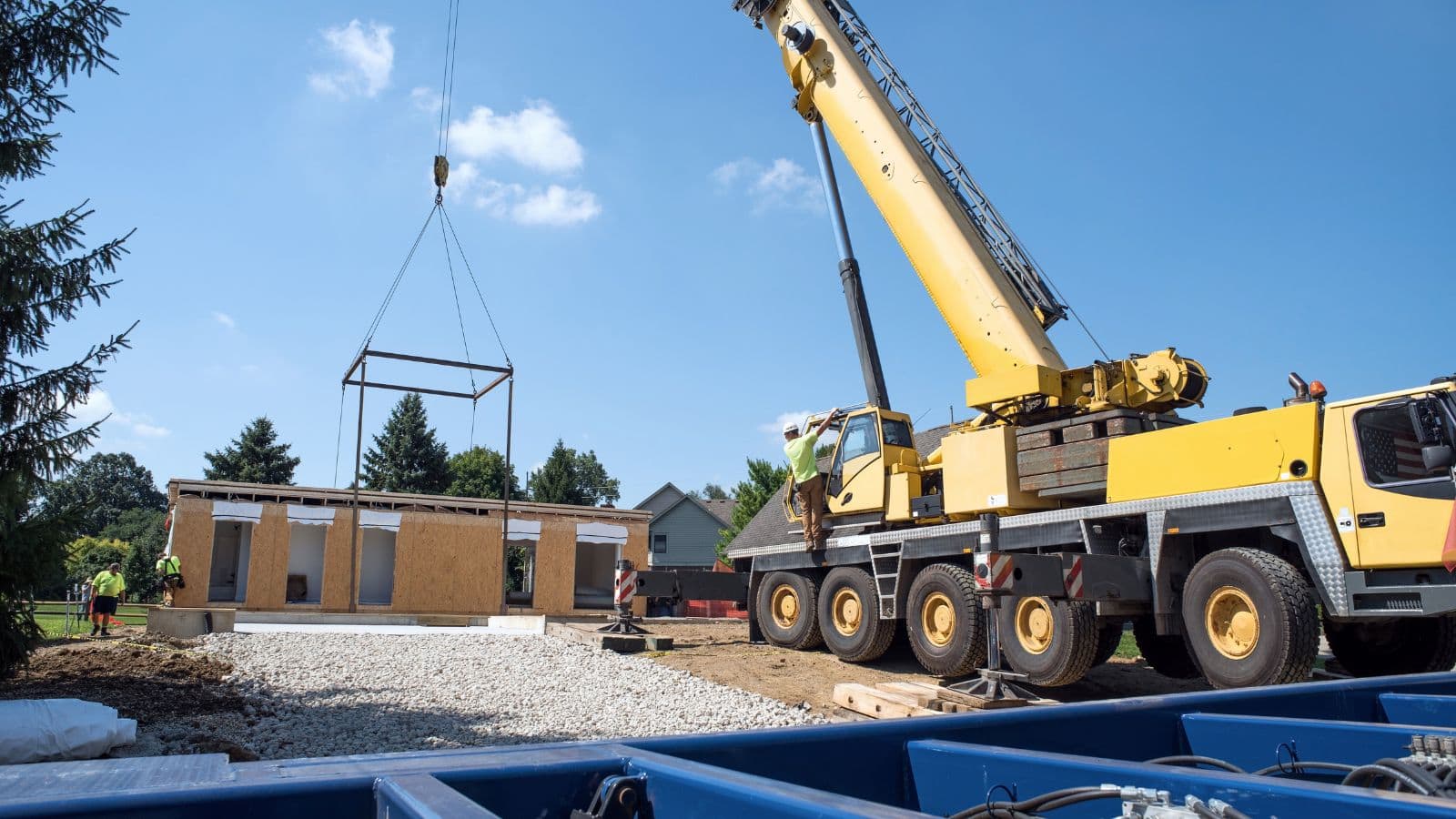
By definition, prefab homes are houses built partly or fully in a factory and then arrive as full modules, flat panels, or pre-cut kits to be assembled on site. The final structure can look the same as a traditional house without compromise.
Most prefab houses use standard materials like wood framing, steel frames, insulation panels, and drywall. The lifespan depends on material quality, design, climate, and care.
Modular vs. Manufactured vs. Prefabricated Houses
The term “prefab” covers several housing types, but the differences matter.
| Type | Built Where | Foundation | Key Rules |
|---|---|---|---|
| Modular home | Factory | Permanent foundation | IRC and local codes |
| Manufactured home | Factory | Pier or slab | HUD code |
| Prefabricated house | Factory | Varies by system | IRC or local codes |
Modular homes ship as large sections and install on a permanent foundation. Local inspectors review them under the International Residential Code (IRC), like site-built homes.
Manufactured homes follow federal HUD rules. They often sit on piers and may not qualify as permanent real property.
Prefabricated houses can include modular, panelized, or kit systems. The foundation and code path define their legal status and lifespan.
Permanent Foundation and Building Codes
A permanent foundation anchors a prefab house to the ground using concrete footings, slabs, or basements. This connection improves stability, wind resistance, and long-term performance. Lenders and insurers often require it.
Prefab and modular homes placed on permanent foundations usually follow the IRC and local building codes. Inspectors review structural loads, fire safety, energy use, and connections. These rules help ensure durability.
Manufactured homes follow the HUD code instead of the IRC. When owners add a permanent foundation and meet local rules, some jurisdictions reclassify them as real property.
The foundation and code path directly affect resale value, financing options, and how long prefabricated homes can reliably last.
How Long Do Different Prefab Homes Last
Average Lifespan by Prefab Home Type
Different prefab homes show different lifespan ranges based on how they are designed, built, and regulated. The names for these types are sometimes used interchangeably, but there are important differences in codes, foundations, and construction methods.
| Home type | Typical lifespan | Key notes |
|---|---|---|
| Modular homes | 50–100+ years | Built to local building codes like site-built homes |
| Manufactured home | 30–55+ years | Built to federal HUD standards |
| Prefab houses (custom panels) | 50–100 years | Lifespan depends on materials and assembly |
| Tiny prefab homes | 30–50 years | Size limits wear but systems age faster |
Prefab homes that last the longest are usually modular or panelized systems that follow the same building codes as traditional houses and sit on permanent foundations. Manufactured homes can also last many decades, but older units often require more upgrades to roofing, windows, and mechanical systems.
Prefab Homes & Traditional Homes: Which Last Longer
Modern prefab homes made with light steel frames are totally capable of performing as well as traditional wood frame homes. In fact, prefab homes may actually age better in certain areas.
The tight building method of prefabrication improves insulation and reduces moisture problems, and the factory grounds also help with the quality and inspection, which reduce weather damage during construction.
For more information, you can explore our detailed comparison of steel frame vs traditional wood frame homes for costs and features.
Real-World Case Studies and Examples
Many modular homes built in the 1970s and 1980s still serve as primary homes today. Owners report normal upgrades, such as roof replacement and HVAC updates, not full rebuilds. While manufactured homes show mixed results. Well-kept units on permanent foundations often exceed 40 years.
Prefab houses in mild climates often last longer. Dry conditions reduce rot and rust. Homes in harsh weather need more frequent repairs, but they still reach long lifespans with steady maintenance.
Key Factors Affecting Prefab Home Durability
Several practical factors shape how long prefab homes last. Materials, design, climate fit, and on-site work all affect strength, wear, and repair needs over time.
Quality of Materials Used
Material quality sets the base lifespan of a prefabricated home. Strong frames resist movement, moisture, and pests. Many prefab construction systems use cold-formed steel frames because they handle transport stress and long-term loads.
Wall and roof panels matter just as much. High-quality panels combine insulation, moisture barriers, and rigid skins. These layers slow rot, rust, and heat loss.
Key material checks include:
- Frame type: galvanized steel or pressure-treated lumber
- Panel cores: closed-cell foam or mineral wool
- Exterior finishes: UV- and water-resistant coatings
Design and Structural Integrity
Good design keeps a prefab home stable even as aging takes effect. In the construction phase, engineers would plan load paths so weight moves cleanly from roof to foundation. This matters in both modular home and panelized systems. Joint design plays a major role as well, because tight seams with tested connectors block water and air leaks.
Structural details that improve durability include:
- Roof overhangs that shed rain away from walls
- Reinforced corners that resist wind and seismic forces
- Clear drainage paths that protect the foundation
Climate and Environmental Conditions
Climate exposure changes how prefab homes age. Heat, cold, moisture, and salt all stress materials in different ways. A prefabricated home must match its location.
Manufacturers often offer climate-specific upgrades. These options help the home perform as intended instead of wearing early.
| Condition | Key Risk | Helpful Feature |
|---|---|---|
| High humidity | Mold, rot | Vapor barriers, ventilation |
| Coastal air | Corrosion | Rust-resistant fasteners |
| Large temp swings | Cracking | Expansion joints, flexible seals |
Quality of Assembly and Installation
Factory precision only works when crews install the home correctly, as poor setup shortens the life of even high-end prefab construction. During the assembly process, crews must set modules on a level, stable base, since small errors can cause doors to stick, walls to crack, and joints to fail.
Achieving quality installation depends on having trained crews who follow manufacturer specifications, applying correct fastener torque at every joint, and thoroughly verifying seals around roofs, windows, and seams. Third-party inspections help catch mistakes early, and with proper assembly, prefab homes can perform as designed for many years.
How to Maximize the Lifespan of Your Prefab Home
Owners can extend the life of a prefab house through regular care, smart upgrades, and clear communication with builders. Modular home systems last longer when people follow set maintenance steps and plan changes at the right time.
Best Practices for Owners
It is common knowledge that prefab homes require regular upkeep, but a detailed checklist on what and how to conduct maintenance still matters. Owners should inspect the roof, siding, and seals at least once a year and fix small leaks or cracks fast to prevent water damage.
As mentioned before, climate also heavily affects prefab houses. Prefabricated houses in wet or cold areas need vents, dehumidifiers, and more checks on roofing and flashing after storms, and their exterior joints need inspection every few years. More delicate systems like HVAC require even more frequent servicing, preferably once a year. These steps help a prefab house reach or exceed its expected lifespan.
When to Renovate
Timely upgrades can reduce strain on the structure and systems, making old homes go extra miles. Roofing, windows, or siding need to be replaced before failure occurs. Structural updates matter too, as new insulation windows and materials reduce moisture buildup and heat stress.
Here is a simple chart to help with timing:
| Component | Typical Upgrade Time |
|---|---|
| Roof | 20–30 years |
| Windows | 25–40 years |
| HVAC | 15–25 years |
| Exterior cladding | 30–50 years |
Smart renovations support long-term use of prefab homes without major rebuilds.
Working with Manufacturers
Manufacturers play a key role in long-term durability. Owners should choose a reputable prefab service provider that is certified by local or international management systems and standards. The company will provide you with build records, manuals, and warranty details, which can guide proper care and repairs.
As the original builder, they understand how parts fit and which materials match the system. This matters for modular home designs, where changes affect load and alignment.
Owners should also ask about approved upgrades. Some manufacturers offer replacement panels, roof systems, or exterior finishes made for the prefab house model. Using compatible parts helps preserve strength and safety over time.
Values of Long-Lasting Prefabricated Homes
There are many advantages that derive from the long service life of prefab homes, namely cost, resale value, and daily comfort. Durable prefabricated homes also support lower energy use and adapt well to stricter building rules over time.
Financial and Investment Considerations
A long-lasting prefabricated home can protect the owner’s investment. Many modern modular homes follow the same local building codes as site-built houses, which helps them hold value longer. When owners maintain them well, they can last as long as traditional houses do.
Long lifespan also lowers total ownership cost. Fewer major repairs spread expenses over decades instead of years. What’s more, buyers often see steadier resale prices with modular homes placed on permanent foundations.
Sustainability and Energy Efficiency
The longevity of prefab homes reduces waste. When a prefabricated house stays in use for many decades, fewer materials go to landfills, meaning less money spent on hauling and cleaning services.
Factory construction also improves energy performance. Builders install insulation, windows, and air sealing without the disturbance of on-site environments. This process reduces gaps and errors, so many prefab homes use energy-efficient designs that lower heating and cooling costs over time.
Common efficiency features:
- Tight building envelopes
- High-performance insulation
- Energy-rated windows and doors
Lower energy use adds long-term value and supports stable indoor comfort.
Explore Your Option Today at Deepblue Home
Discover how modern prefab homes deliver decades of durable living—built stronger and smarter for lasting value. Get your complete Lifespan & Durability Guide now and see how a well-built prefab can stand the test of time.
Explore Your Options Today at Deepblue Home!
Frequently Asked Questions
How long do steel-frame prefab homes last?
If a major component like a wall panel breaks, can it be replaced, or does it require a full rebuild?
One of the advantages of panelized and some modular systems is the potential for component-level repair. Experienced manufacturers can provide technical documents and replacement panels or components, allowing repairs without reconstructing entire sections.
Do prefab homes hold their value over time?
We have different answers to this question based on the types of prefab houses. Modular homes on permanent foundations typically appreciate in value like traditional homes, driven by land value, market conditions, and the quality assurance of stricter code. In comparison, manufactured homes normally do not rise in market price, though adding a permanent foundation and excellent maintenance can significantly stabilize their value.