In the past, on-site construction was usually the most viable option, and basic materials have to be transported in bulk. However, prefabricated construction supported by advanced modern technologies changes how buildings take shape, helping projects move faster and with fewer surprises.
But how is the prefab process carried out, what parts of a building can be prefabricated, and what benefits does it bring beyond speed?
In this blog, we will offer you a detailed account of the methods and benefits of prefabricated construction, so you can understand why leading builders are going prefab worldwide.
What Is Prefabrication in Construction?
Prefabrication in construction means producing building components offsite. Factories assemble these components using repeatable processes and fixed equipment.
Common prefabricated elements include wall panels, floor slabs, stair units, and roof sections. Some units may include windows, doors, or basic finishes before delivery.
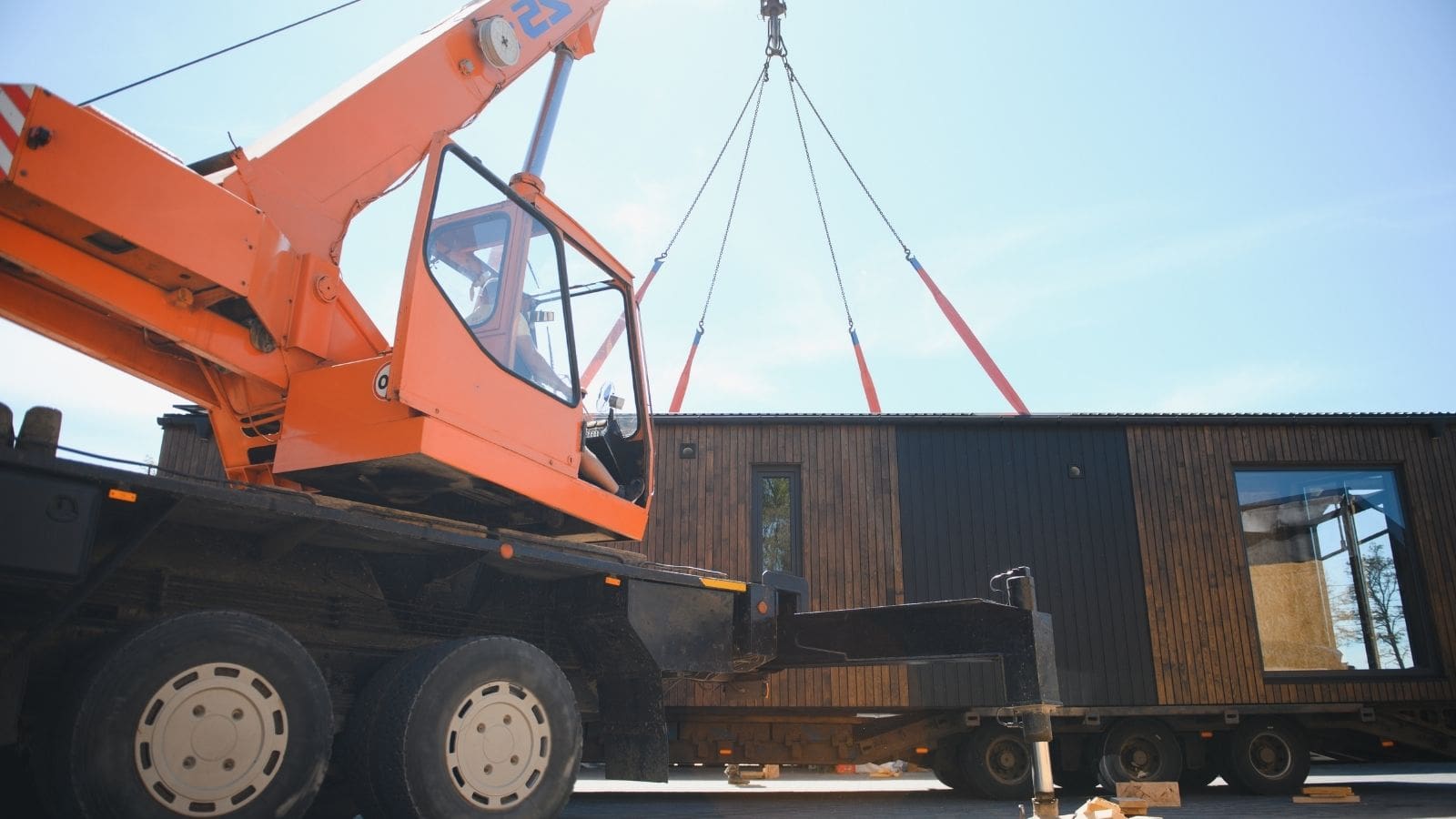
On-site assembly focuses on placing and connecting these parts. Cranes, fasteners, and precise measurements play a key role. This process improves consistency and reduces waste compared to building each part on-site from scratch.
Prefabrication vs. Traditional Construction Methods
Contrary to prefab construction, the traditional on-site construction process involves on-site construction using raw materials like wood for stick-built houses. Workers cut, shape, and install building components in sequence, often under changing weather conditions.
This difference affects cost and schedules. Prefab construction often reduces on-site labor and shortens build times. Traditional methods offer more flexibility during construction but may face delays from weather, labor shortages, or site limits.
Core Types of Prefabricated Construction
Modular Construction Overview
Modular construction uses a modular system made of large units built in a factory. Each unit often includes floors, walls, ceilings, wiring, and plumbing. Crews deliver the completed units to the site and assemble them to form modular buildings.
This method works well for apartments, hotels, and schools. Most site work, such as foundations, happens at the same time as factory production.
Key traits of modular construction:
- High level of factory completion
- Fast on-site assembly
- Strong fit for repeatable designs
Modular systems can also combine with on-site work for hybrid projects.
Panelized Construction Systems
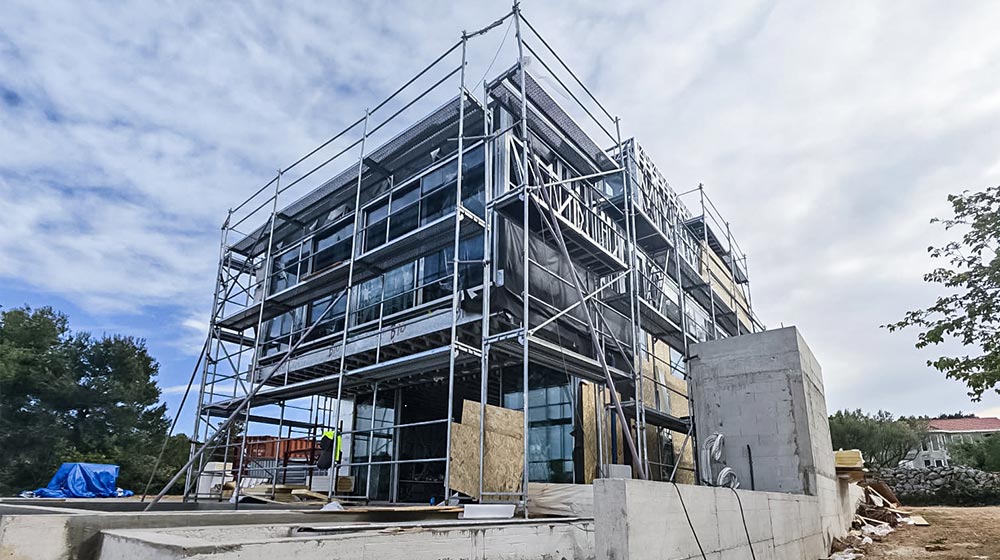
Panelized construction uses a panelized system that includes flat wall, floor, and roof panels. Factories build these panels with framing, insulation, and sometimes windows. Crews then assemble the panels on-site to form the structure.
This approach offers more design flexibility than fully modular buildings. Builders can adjust layouts more easily while still gaining factory precision. Panelized construction suits custom homes, low-rise commercial buildings, and renovations.
Panelized systems reduce material waste and improve build speed without moving large modules.
Volumetric Construction Explained
Volumetric construction is a form of modular construction that uses fully enclosed, ready-made units. Each volume acts as a complete room or section of a building. These units arrive nearly finished and connect on-site.
This method delivers very fast project timelines, because the buildings can be put to use as soon as they arrive, saving even more time and effort with less crew management involved.
It works best for buildings with repeated layouts, such as hotels, dorms, and healthcare units, and stands as one of the most complete forms of prefabricated building.
Volumetric construction features:
- Fully finished factory-built units
- Minimal on-site labor
- High consistency across prefabricated structures
Prefabricated Components and Materials(The Complete Guide to Building Prefabrication)
Light Gauge Steel Frame Structures
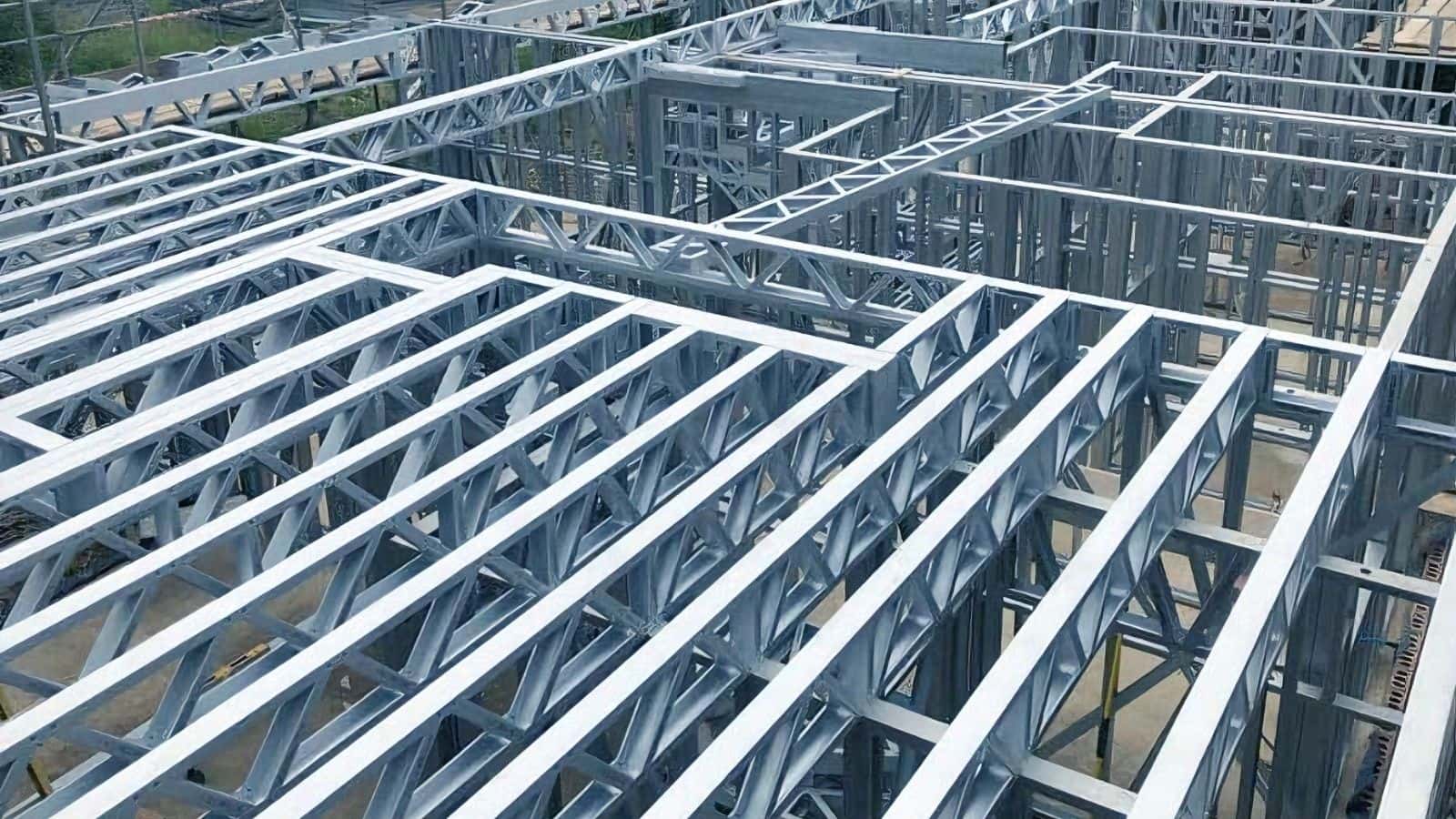
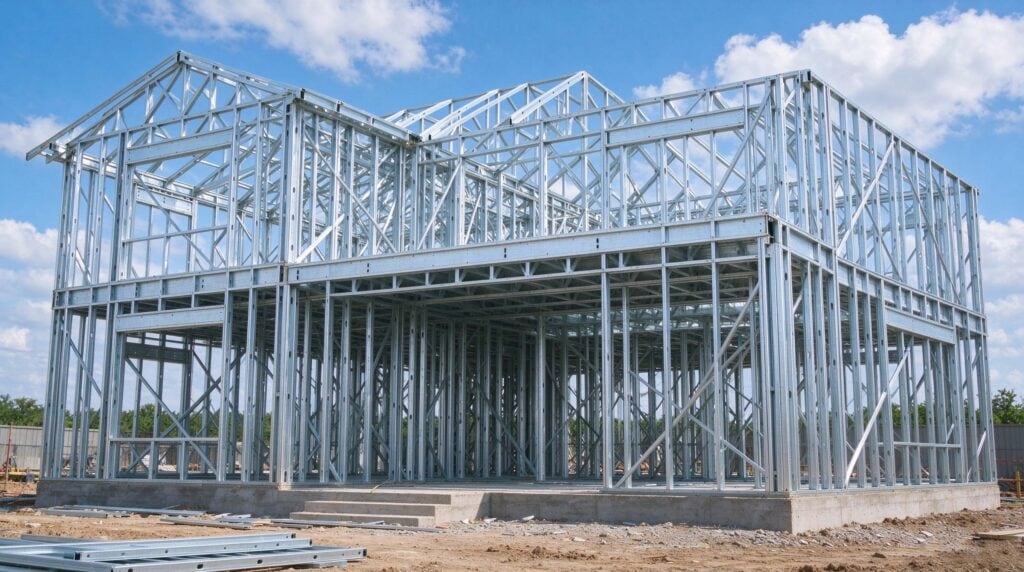
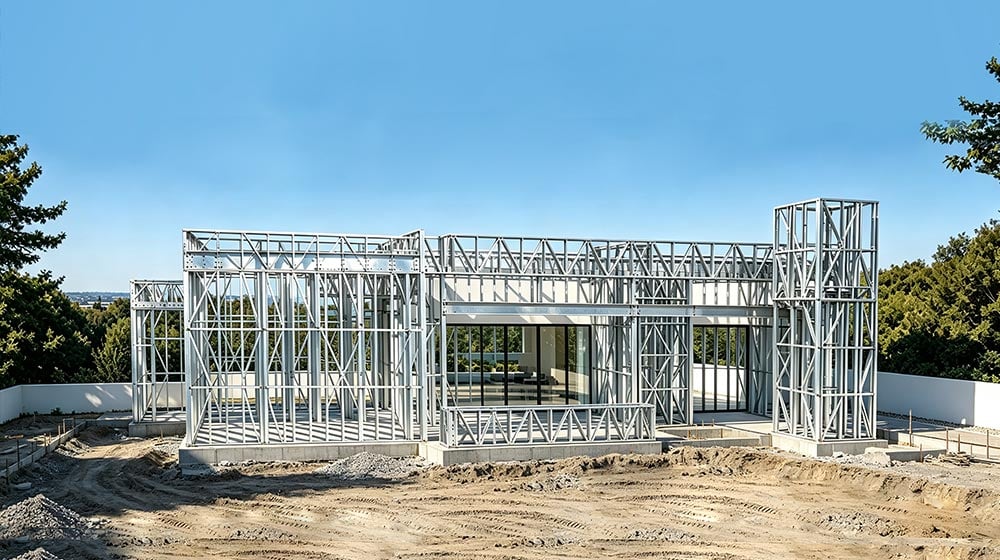
Prefabricated light gauge steel frames use factory-cut and factory-welded steel parts. These prefabricated parts often include columns and beams, bracing, and connection plates. Crews ship them to the site and bolt them together.
Steel offers high strength with less material. This feature supports long spans and open floor plans. It also keeps weight lower than many other building materials.
Factories produce prefabricated steel frames through cold-forming, which improves accuracy and limits waste. At the work site, workers complete assembly faster and with fewer tools. These steel frames are a universal solution, as they can be used in the majority of prefab projects.
Precast Concrete Elements
Precast concrete components form solid, durable parts of a building. Factories pour concrete into molds, cure it, and finish it before delivery. Crews then lift each precast element into place.
Precast concrete provides strong load capacity and good fire resistance. It also performs well in harsh environments.
However, the concrete components can weigh in tons, so transportation and on-site assemble require heavy-duty equipment and a qualified crew. Therefore, builders often choose precast concrete for projects with a high demand for durability, like parking structures, schools, and residential complexes.
Wall Panels, Steel Joists, and Roof Trusses
Wall panels, steel joists, and roof trusses speed up enclosure and framing. Factories build these elements as complete units, ready for quick placement.
Wall panels may include insulation, sheathing, and openings. Many projects use prefabricated walls with door frames and window cutouts. Sandwich panels combine inner and outer layers with insulation in between.
Steel floor joists provide structural support for the ground surface of different floors. These prefabricated beams are manufactured to precise specifications and arrive on-site ready for installation. Compared to traditional wood framing, they offer greater span capability, faster assembly, and consistent quality.
Also, they can accommodate mechanical systems, electrical conduits, and plumbing runs within their depth, reducing coordination conflicts on job sites.
Roof trusses are engineered frameworks that support the roof structure and transfer loads down to the walls and foundation. Pre-assembled trusses consist of interconnected members arranged in triangular patterns, which provide strength while minimizing material use.
They arrive at the site ready to lift into place, eliminating time-consuming field assembly and reducing the need for interior support columns that would otherwise obstruct floor space.
Together, these components improve accuracy and reduce material waste. They also help crews close in the building faster, which protects interior work from the elements.
Prefabrication Process and Workflow
The prefabrication process transforms custom home building into a precise, collaborative, and efficient journey. Most of the prefab building manufacturers have different sets of systems and processes of their own, and Deepblue Smarthouse is no exception. Here is a quick overview of how we deliver a streamlined workflow that ensures your vision is realized with exceptional quality, on time and within budget.
- Discuss & Design
We start by listening to your vision, then create and digitally finalize all plans for both your lifestyle and efficient production. - Refine & Finalize
Your feedback guides the final drawings, materials, and finishes until every detail meets your satisfaction and is ready for manufacturing. - Build & Quality Check
Your home is precision-built in our factory under strict quality controls, minimizing waste and ensuring everything arrives site-ready. - Procure & Deliver
We manage all material procurement and schedule just-in-time delivery of pre-finished components to your location. - Assemble On-Site
Modules are rapidly installed with crane assistance, greatly reducing build time, labor, and on-site disruption. - Support & Service
We provide dedicated customer care and support for one year after completion to ensure your ongoing satisfaction.
By linking collaborative design, precision fabrication, and managed construction into one cohesive, client-centered flow, Deepblue’s prefabrication process delivers a faster, more reliable, and higher-quality custom home.
Want to learn how we work in detail? Discover how this streamlined approach can bring your dream home to life with standard or custom solutions on our main service page.
Benefits of Prefabrication in Construction(The Complete Guide to Building Prefabrication)
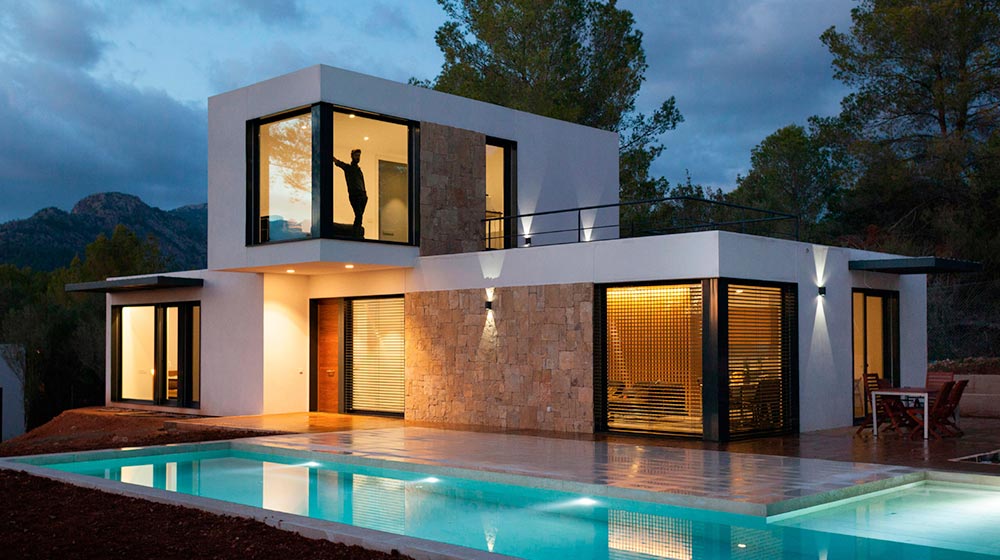
Advantages of Prefabrication
As previously stated, prefabrication moves much of the building work to a factory. This shift improves control over materials, tools, and labor. Crews build parts in steady conditions, which reduces errors and rework.
Builders gain consistent quality because machines and trained teams repeat the same tasks, and projects also see fewer delays from weather. This approach supports fast construction, since on-site work focuses on assembly.
Other key benefits of prefabricated buildings include:
- Better safety due to fewer on-site tasks
- Less waste from precise cutting and planning
- Scalable production for housing, schools, and offices
Cost Efficiency and Time Savings
Prefabrication often improves cost efficiency through shorter schedules and lower labor needs on-site. Factories buy materials in bulk from wholesale businesses instead of retailers, which helps control prices. What’s more, if you choose LGS (light steel frame) systems, their upfront costs can be offset by the system’s extended lifecycle and reduced long-term ownership costs.
Time savings come from parallel work. While factories build components, crews prepare the site. This overlap can reduce total project time by weeks or even months.
Energy Efficiency and Sustainability
Prefabricated buildings often achieve higher energy efficiency. Factories install insulation, windows, and seals with precision. Tighter building envelopes reduce air leaks and energy loss.
Material use also improves. Controlled cutting lowers scrap, and factories can recycle leftovers. Shorter on-site time reduces noise, dust, and fuel use.
Sustainability benefits include:
- Lower waste rates
- Improved thermal performance
- Support for green materials
These factors help projects meet energy codes and long-term operating goals, and more importantly, lower the heating bill for customers.
Applications of Prefabricated Construction(The Complete Guide to Building Prefabrication)
Prefabricated construction supports projects that need speed, cost control, and consistent quality. Builders use it across housing, commercial space, and temporary facilities where fast setup and repeatable designs matter.
Residential and Commercial Buildings
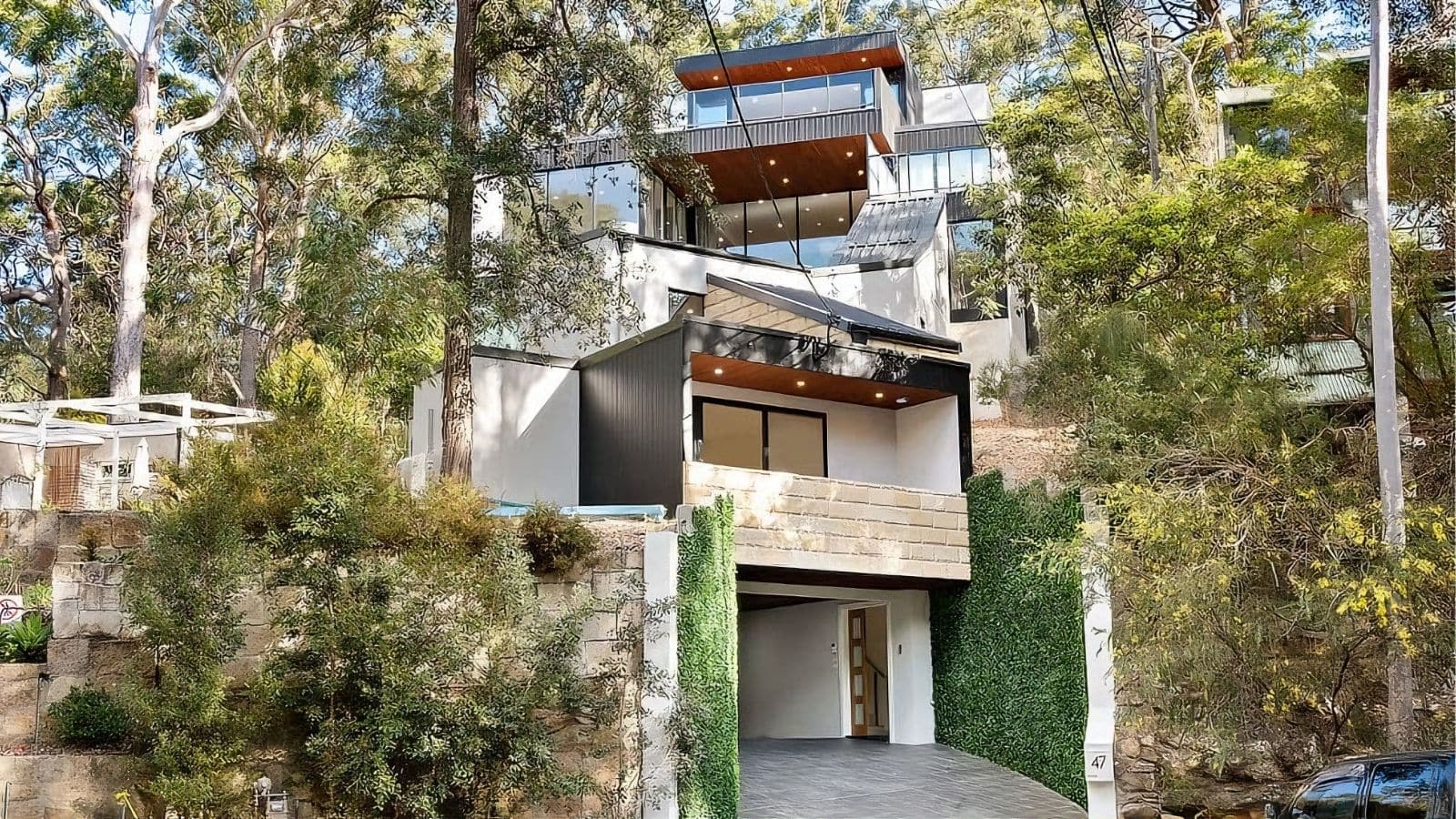
Residential projects benefit from repeatable layouts and steady quality. Prefab homes can range from single-family houses to large apartment blocks and townhouses. Developers use them to control costs and meet housing demand faster.
Commercial buildings also rely on prefabrication. Hotels, schools, and retail spaces use modular rooms or panels to speed delivery. Many projects choose hybrid methods, such as prefab walls with on-site foundations, to balance speed and design needs.
Common building types include:
- Single-family and multi-family housing
- Hotels and student housing
- Offices, schools, and retail buildings
Temporary Housing and Emergency Shelters
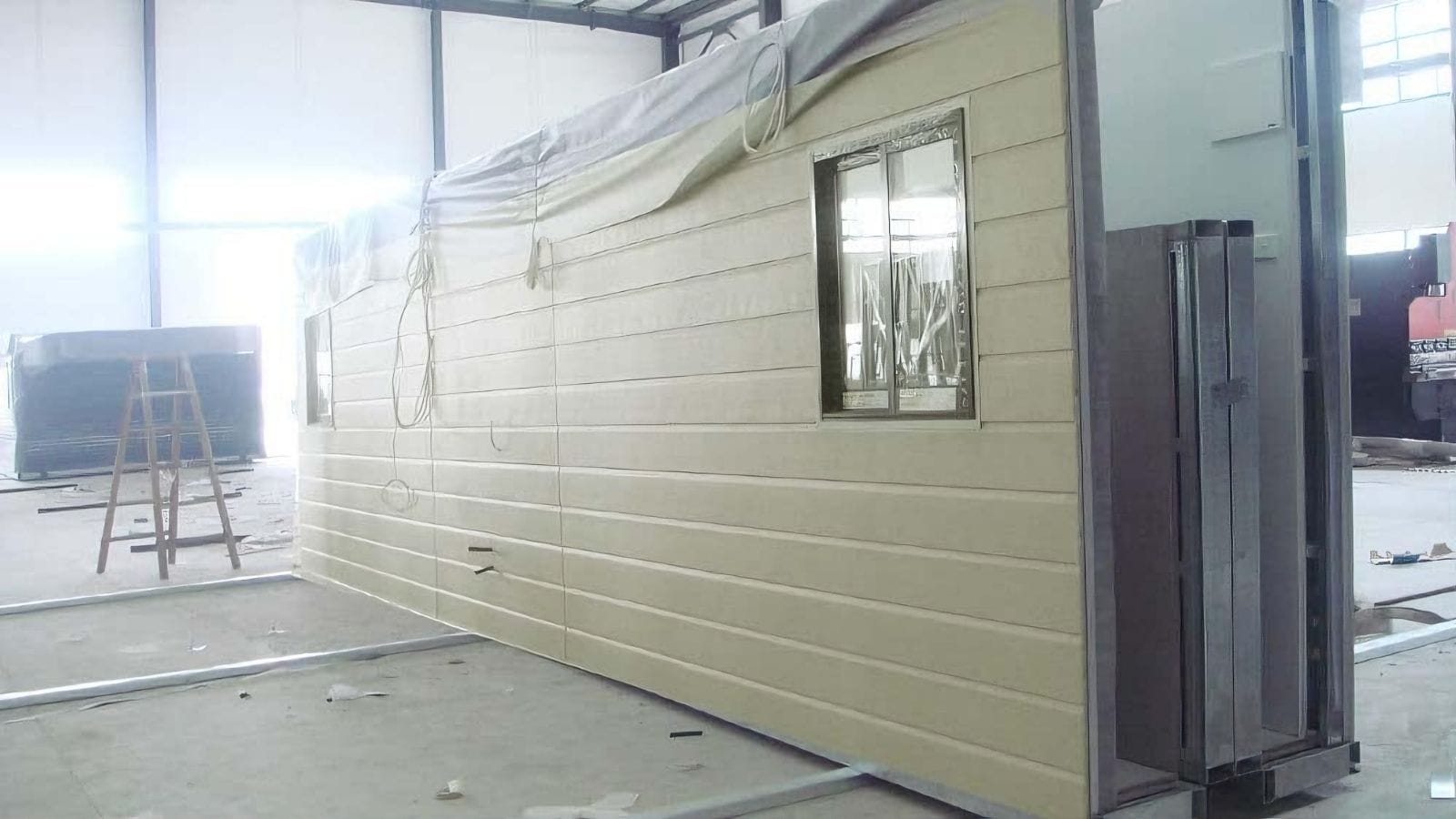
Prefabricated construction plays a key role in temporary housing and emergency shelters. Factories can produce units in advance and ship them quickly after a disaster. Crews then assemble the structures in days, not months.
Emergency housing often uses modular or panelized units. As a Deepblue Smarthouse special, we have specially designed proprietary foldable homes that suit such needs. They are developed to be safe, habitable homes with reinforced frames, high-grade insulation, and quality finishes that provide real security and comfort. The foldable nature of the system also makes it scalable and adaptable.
Governments and aid groups use prefabricated emergency shelters for floods, earthquakes, and conflicts. Designed for both crisis and long-term value, it can be relocated for other purposes once the crisis ends.
Key features of emergency shelters:
- Fast delivery and setup
- Simple layouts with essential services
- Designs suited for transport and reuse
Industrial and Modular Offices & Dormitory
Industrial sites often need office and dormitory space fast, since the workers and management personnel need housing at reasonable locations to properly work and rest. Prefab container homes meet this need without slowing core operations.
They are ready-made units that can be placed directly at construction sites, factories, and logistics hubs. These durable and practical buildings support managers, engineers, and workers during operation, and when the project ends, crews can move or reconfigure the units.
Typical uses include:
- Construction site offices
- Industrial control rooms
- Temporary administrative buildings
Conclusion
Prefabricated construction is a smarter way to build. By moving precision work into a controlled factory, it delivers stronger quality, faster timelines, and less waste than traditional methods. It is a versatile solution for many scenarios in the construction industry, including homes, offices, and beyond.
Ready to build smarter? Partner with Deepblue Smarthouse to bring your next project to life with precision and efficiency.
Frequently Asked Questions (FAQ)
Is prefabricated construction cheaper?
It often saves overall costs. While some material costs are similar, you save significantly through shorter build times, less labor, and minimized material waste. Systems like Light Gauge Steel (LGS) also offer long-term savings on energy and maintenance.
How much faster is it compared to traditional housing?
Projects are typically 30-50% faster. Factory production happens at the same time as site preparation, and on-site assembly is swift, reducing weather-related delays.
Can I customize the design?
Yes. Prefabrication is highly adaptable. You work with designers to create a custom plan that meets your needs, which is then precision-engineered for factory production. Your choices on layout and finishes are fully incorporated.
Are prefab buildings durable?
Yes. Factory control ensures consistent, high-quality construction that meets all building codes. Materials like light-gauge steel are strong, resistant to pests and rot, and perform well in various climates.