Modular construction quality control is a very expansive topic, including design coordination, manufacturing precision, transportation protection, and on-site fit-up. It matters especially for developers, builders, and project managers who are comparing prefab and panelized systems against traditional site-built methods, or evaluating suppliers for the first time.
The sections below walk through how quality control actually works across a modular construction project, from BIM coordination before production starts to the documentation handed over at completion.
Why Quality Matters More In Factory-Built Delivery
Modular buildings carry a reputation for consistent quality, but off-site construction concentrates decisions early and locks in outcomes before any module reaches the site. This means quality problems are both more preventable and more consequential than in traditional construction.
In site-built projects, defects surface gradually and can often be corrected as work progresses.
In offsite construction, the sequence is compressed and the product is largely complete before it ships. Most quality failures trace back to three areas: design coordination, manufacturing deviations, and site assembly.
A defect discovered after transport becomes significantly more expensive to fix, because labor costs for fixing a problem in a completed module are substantially higher than catching the same issue during production.
Design Coordination Before Production Starts
Design coordination is where modular quality control either gains its foundation or loses it. BIM integration, tolerance planning, and cross-discipline alignment before production begins are the controls that prevent the most expensive defect categories.
Using BIM To Reduce Rework And Misalignment
Building information modeling (BIM) gives design and engineering teams a shared environment to detect clashes, verify clearances, and confirm that manufactured dimensions will assemble correctly on-site.
In practice, BIM coordination detects the misalignments that would otherwise appear as rework on the factory floor or during site installation.
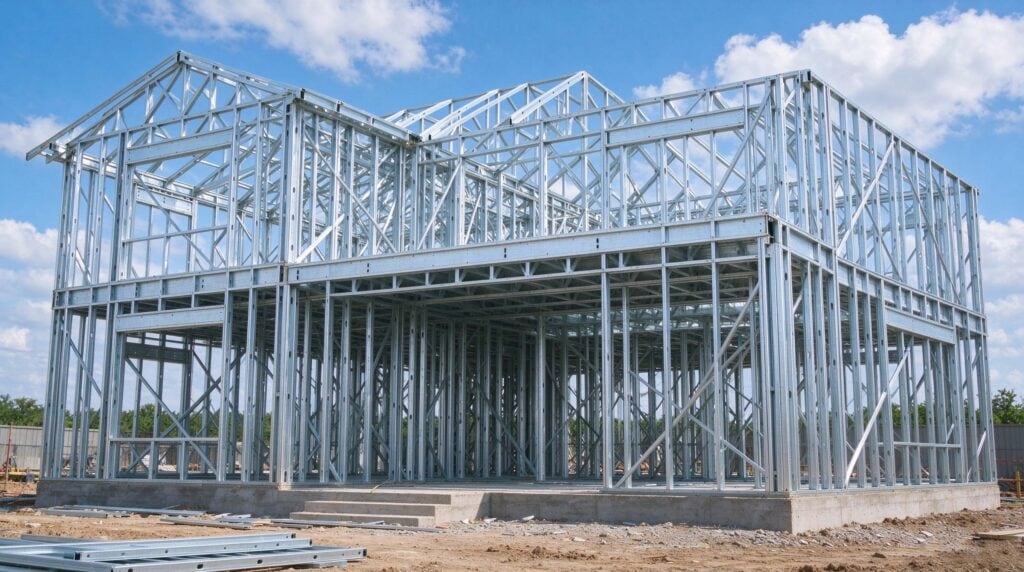
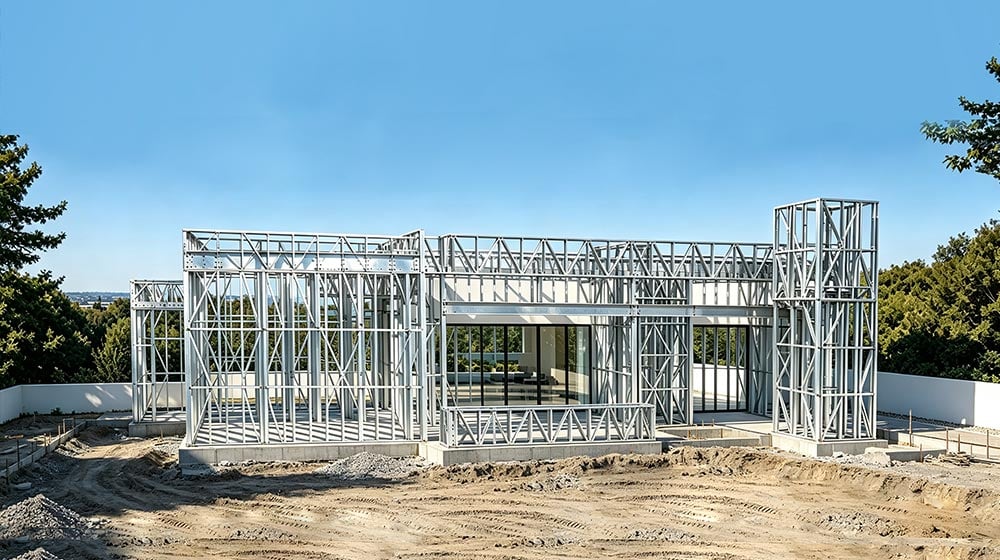
For light steel framing systems, where connection tolerances are tight, BIM prevents components from failing to fit together as a system.
Tolerance Planning and Procurement Alignment
Construction tolerance is a design decision. Teams must define acceptable deviations for each connection type and document how tolerance stack-up across multiple modules will be managed at final assembly.
Furthermore, engineering, compliance documentation, and procurement must be aligned from the same design model.
Material specifications confirmed at the design stage reduce substitution risk, which is a common source of quality variance.
Factory Controls That Improve Build Consistency
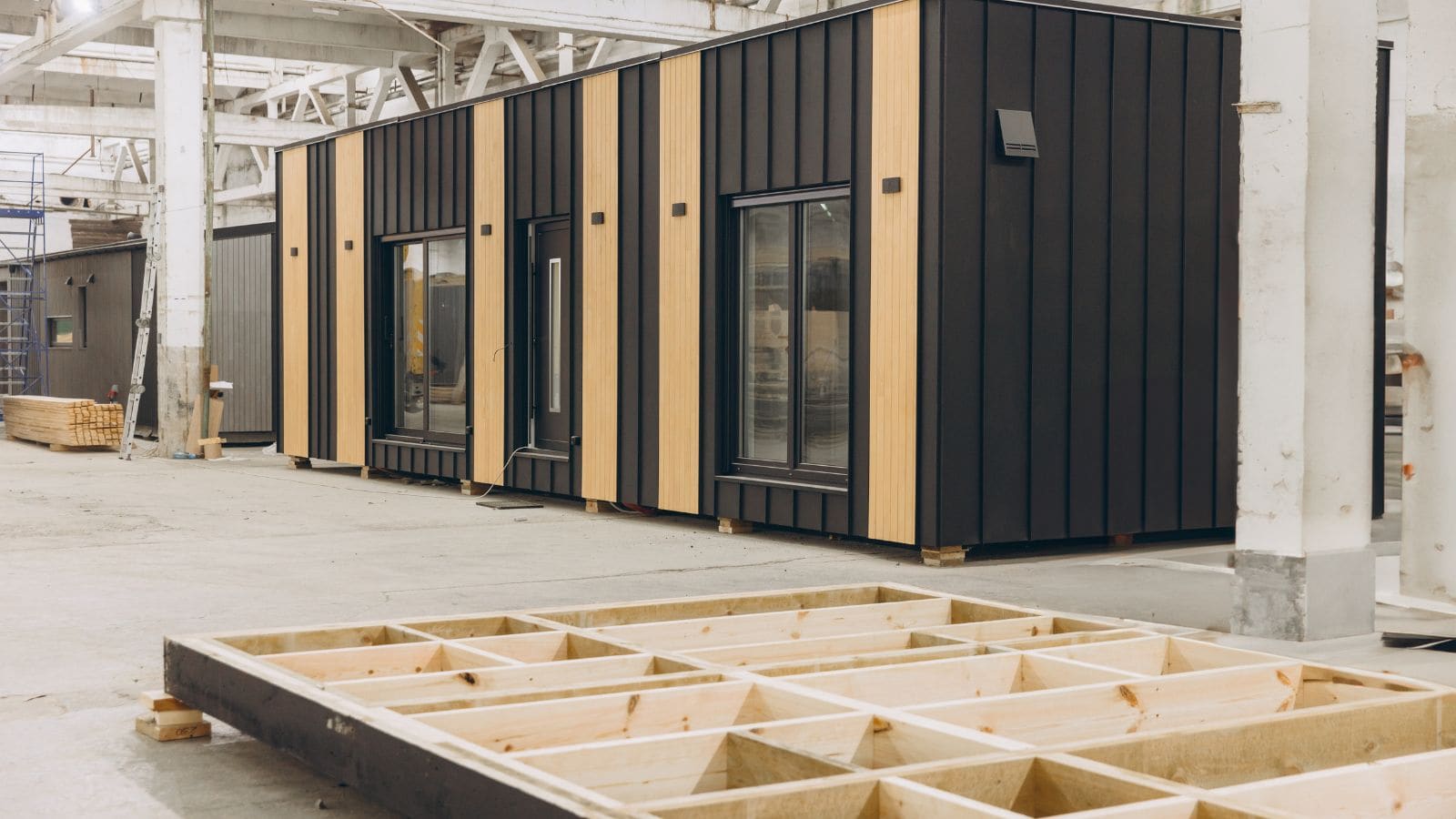
Factory production offers inspection access and environmental consistency that site construction cannot match, but those advantages require rigorous, structured controls at each production stage.
Material Inspection and Traceability
Quality assurance begins with incoming materials. Steel coil stock, fasteners, insulation, and cladding systems all require inspection against specifications.
Traceability systems link each material batch to the components produced from it, making it possible to isolate defects immediately.
For projects requiring ISO 9001, EN 1090, or ICC-ES frameworks, documented material inspection records are mandatory.
Environmental Control and Precision Manufacturing
Climate-controlled production protects materials from moisture and thermal variation. For light gauge steel framing, this maintains dimensional stability throughout production.
Precision manufacturing relies on CNC roll-forming and automated lines to achieve tight dimensional tolerances. DEEPBLUE SMARTHOUSE, for example, uses advanced roll-forming equipment with tolerances of less than 0.01 mm, which directly supports connection accuracy across repeated components.
Structured Factory Inspection Checkpoints
Quality responsibility must be embedded across every production stage rather than concentrated at final inspection.
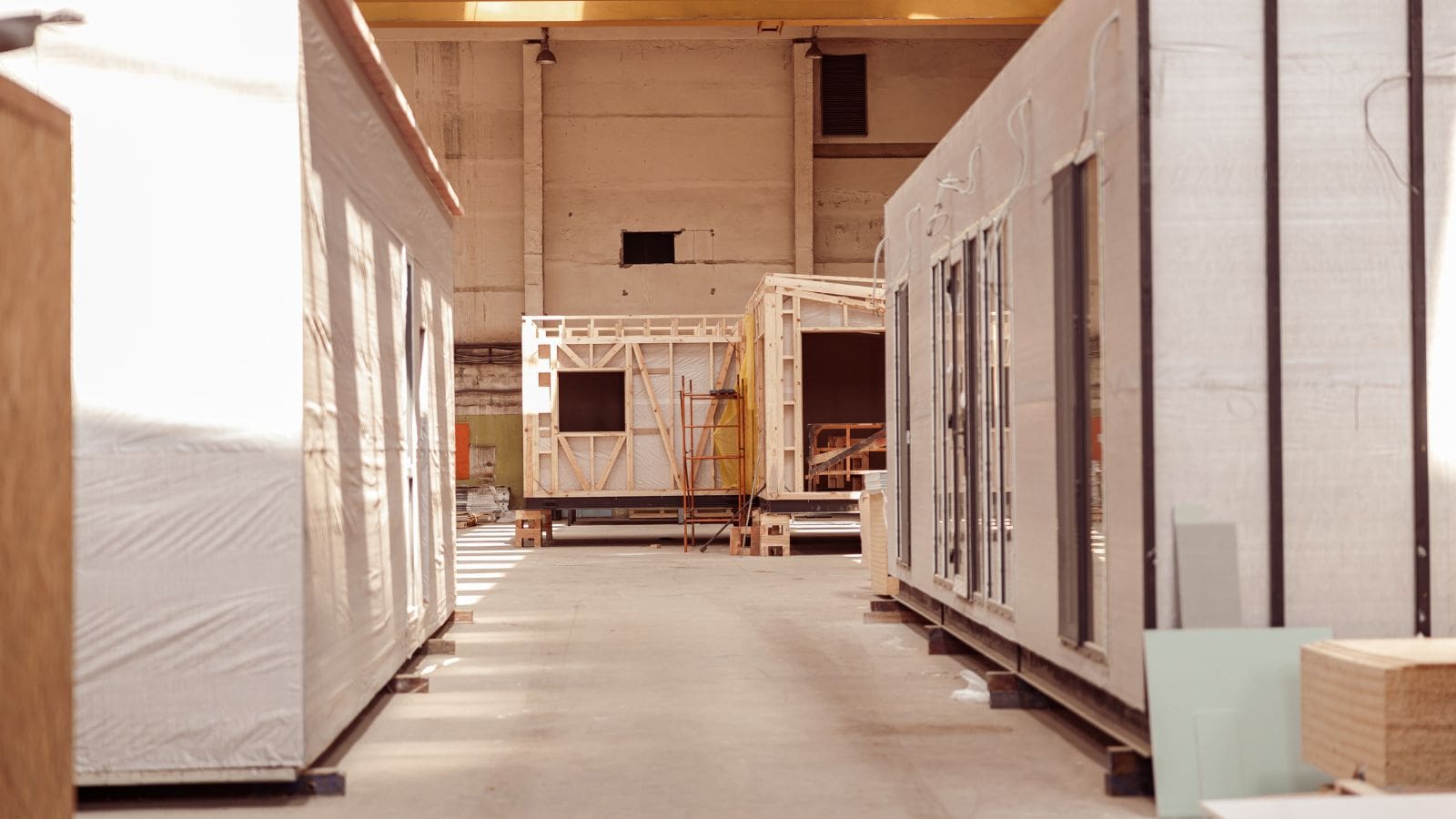
Structured inspection checkpoints at each phase—including framing, services rough-in, enclosure, and finishing—catch deviations while correction is still low-cost. A quality monitoring record for each module creates the documentation that supports client-facing quality verification.
Transportation, Site Conditions, And Final Fit-Up
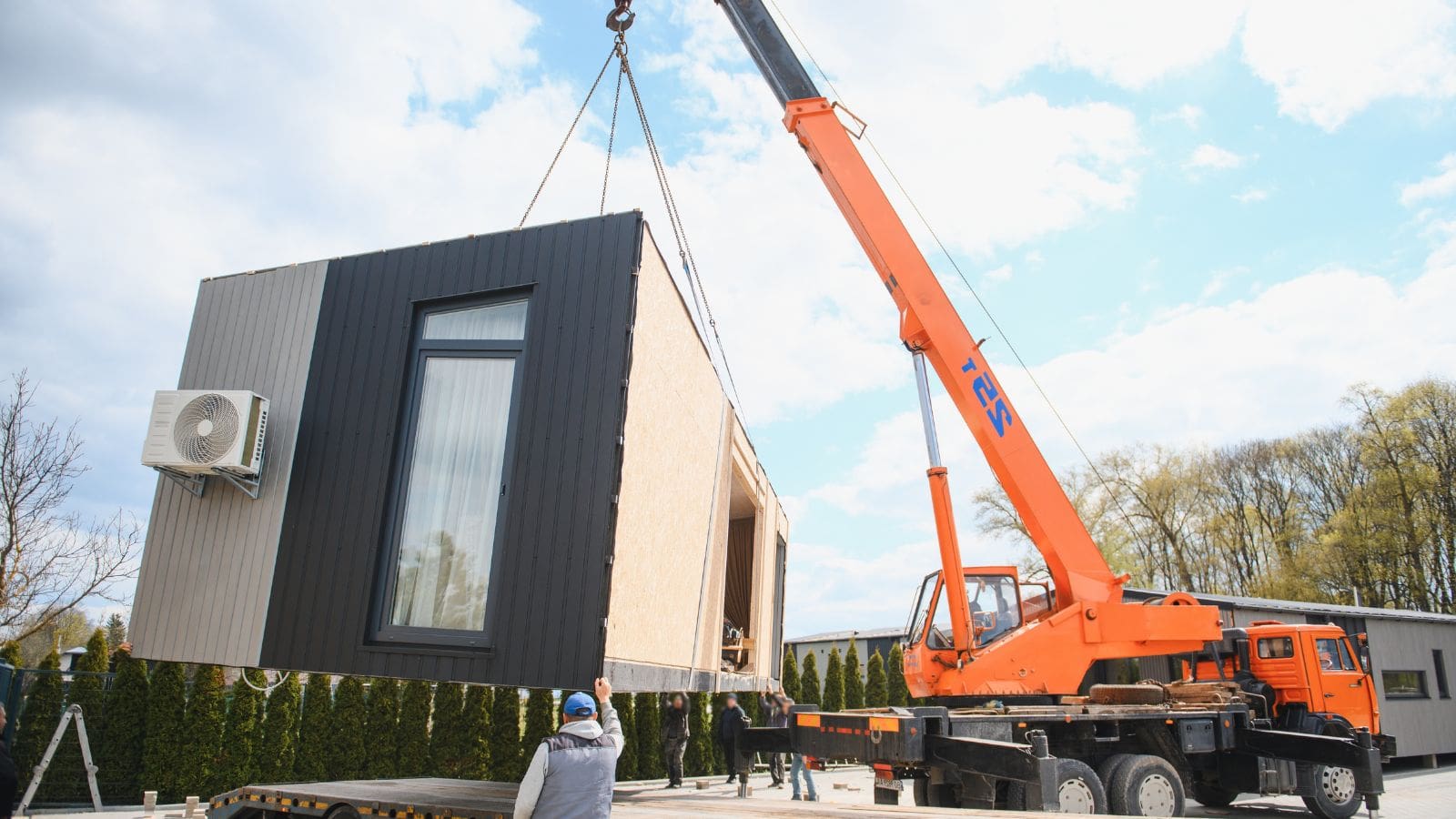
A module that leaves the factory in perfect condition can arrive damaged if transportation and handling are not managed. Site conditions introduce variables that require equally structured controls.
Preventing Transportation Damage
Transportation damage typically results from inadequate bracing or extreme route conditions. This requires calculating dynamic loads, designing a matched bracing system, and inspecting the load before departure. For international shipments, moisture ingress during ocean freight requires sealed wrapping, desiccant placement, and pre-loading integrity checks.
Site Quality Control: Foundations, Setting, and Assembly
Site quality control starts before modules arrive and requires systematic checks at every level of assembly. Key inspection checkpoints include:
- Foundation Tolerances: Bearing surfaces, anchor bolt positions, and level tolerances must precisely match the modular system design.
- Arrival & Setting: Inspecting each module for transport damage on arrival and sequencing placement to maintain alignment as the building grows.
- Structural Connections: Load-bearing connections between modules must be installed to specified torque or weld criteria, and signed off against a documented checklist.
- Inter-module Seals: Seals are the primary defense against air and moisture. Visual inspection should be backed by pressure or smoke testing at key joints.
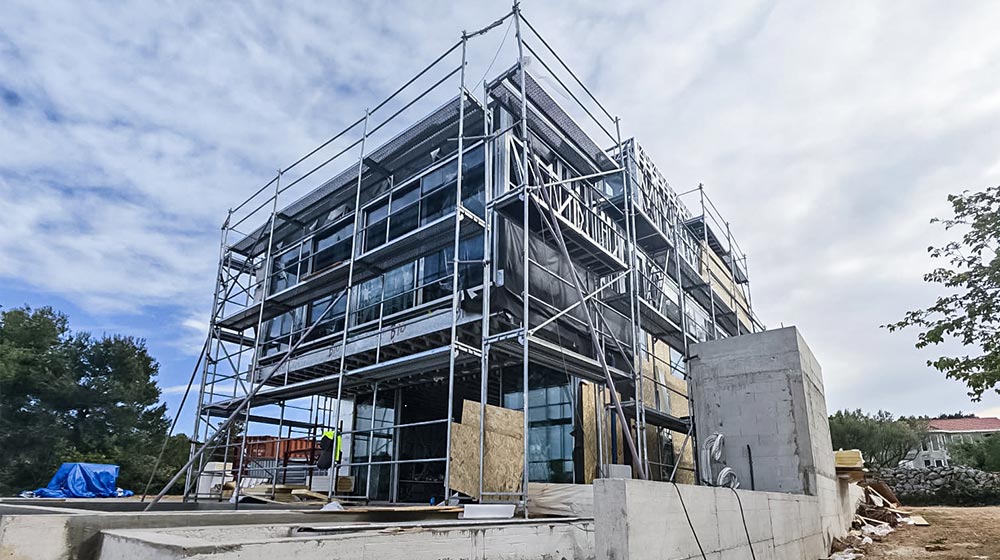
- Dimensional Alignment: Final alignment checks confirm the completed assembly matches geometry within the design coordination stage tolerances.
Quality Outcomes and Handover Expectations
When a modular construction project completes, the quality of the process becomes visible in measurable outcomes and comprehensive documentation.
Documentation and After-Sales Support
Quality management does not end at practical completion. A complete quality handover package should include material certificates, inspection records for each module, test results for structural connections, and sealing records.
Furthermore, after-sales support expectations—such as response times, warranty terms, and the defect claim process—affect the buyer’s real experience. Providers offering maintenance packages and replacement parts significantly reduce risk exposure.
What To Ask A Modular Partner About Their QC Process
A credible modular provider should be able to answer the following questions clearly:
- At what stages of production do you conduct formal inspections, and what do the records look like?
- How are materials inspected and traced through production?
- What bracing and protection system is used during transport, and what checks happen on arrival?
- What certifications does your quality management system hold, and are they current?
- What is your post-handover support process, and what warranty terms apply?
Partners who can answer these questions with specifics, certification numbers, and documented workflows are operating at a higher quality level.
For high-value projects, requesting a factory audit or a review of a completed project’s QA file is a highly recommended step before committing to production.
Experience Modular Project QC at DeepBlue SmartHouse
From raw steel to final assembly, our factory-controlled quality management eliminates traditional construction risks. Since 2009, we’ve delivered over 10,000 precision-engineered prefabricated projects across 50 countries, with every unit rigorously inspected to meet the strictest global building codes.
Prefer a quick first step? Share your project location, building type, unit count, and desired start timeline — we’ll respond with a recommended pathway.
Frequently Asked Questions
What’s the difference between Kit Homes, Panelized Systems, and Foldable Homes?
The key differences are prefabrication level, shipping method, and on-site assembly speed. Kit homes typically ship as labeled components for assembly on-site. Panelized systems ship as prefabricated wall/floor panels. Foldable home solutions prioritize compact shipping volume and rapid deployment. The right choice depends on site access, local labor capacity, and how standardized your layout can be.
When should I involve a modular/MMC supplier in my planning process?
As soon as you have a confirmed target location, intended building type, and a rough project size (for example, unit count). Early engagement helps confirm system fit, delivery feasibility, and scope boundaries—so you avoid redesign and timeline drift later.
What information should I prepare before sending a project inquiry?
A strong inquiry includes project location, building type, estimated unit count, budget range, and target start date. If you have drawings, even a simple floor plan and elevation reference can speed up feasibility feedback and shorten the back-and-forth.
Can you support international projects?
Yes—international delivery is common in prefab housing, but the scope of support should be clarified upfront. The most important points are destination market requirements, shipping approach, and the split of responsibilities for on-site works (such as foundations, utilities tie-ins, and local permitting).
What should I compare besides price when choosing a prefab partner?
Compare scope clarity (what’s included/excluded), relevant project experience, compliance/certification coverage for your target market, and how clearly timelines and change control are defined. A low quote can become costly if responsibilities for shipping, installation coordination, and after-sales are not documented.