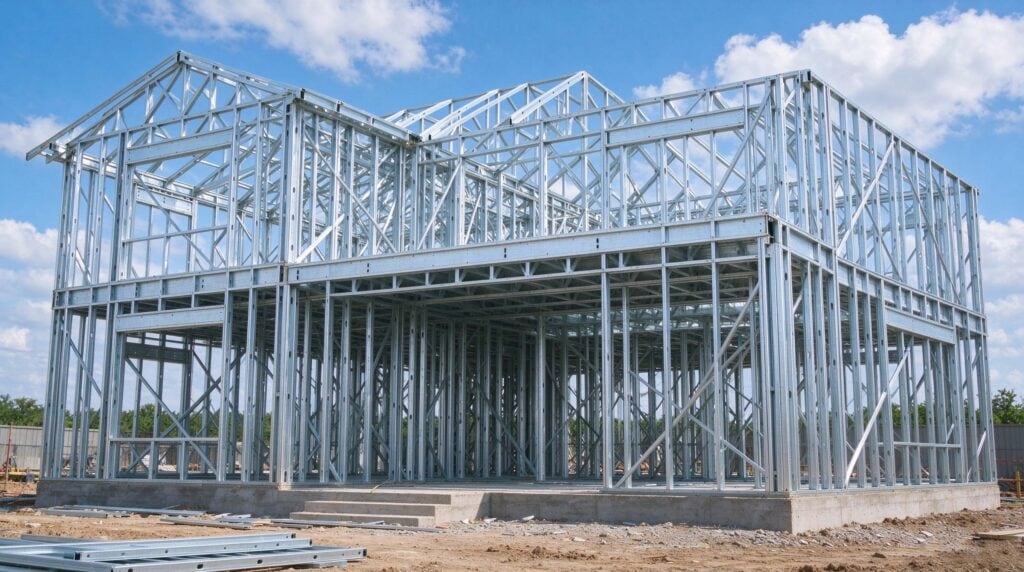
Evaluating a modular contractor is the first step any aspiring modular home owner or modular project developer has to take. It is always vital to confirm whether a modular construction company can design, engineer, build, transport, and install a structure that meets code and performs reliably over time.
In this blog, we will offer you a quick run down on what to look for when choosing a modular housing manufacturer, including delivery model fit, technical capability, code readiness, logistics planning, and commercial accountability.
Choose the Modular Construction Delivery Method
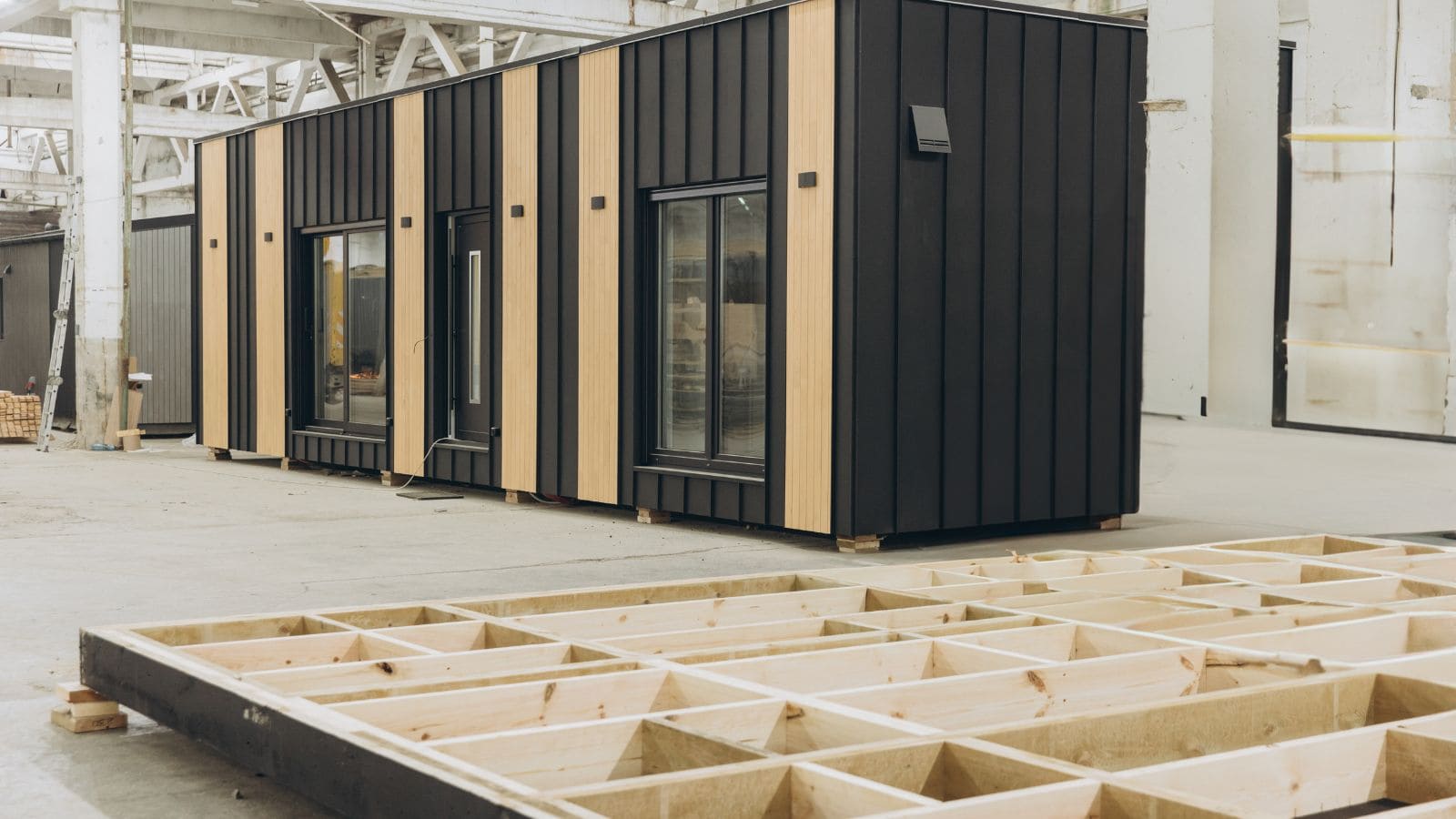
Modular building construction encompasses multiple product categories. A team’s experience with volumetric modular construction, panelized systems, or hybrid approaches affects transport, lift planning, site labor, and design flexibility for a given modular project.
Match the System to Building Type and Construction Site Conditions
Different building types favor different approaches. For example, repeatable unit layouts work well for student housing or modular classrooms, while larger open spans may favor panelized or hybrid framing. A tight urban construction site can also limit module size and crane setup, changing what is feasible in practice.
Compare Volumetric, Panelized, and Hybrid Approaches
At a high level, the options typically look like this:
- Volumetric modular construction: factory-finished 3D boxes shipped as completed modular units.
- Panelized systems: flat-packed wall/floor/roof panels assembled on site, sometimes aligning better with constrained routes.
- Hybrid methods: volumetric cores (kitchens/bathrooms) plus panelized or structural framing elsewhere.
For a more detailed overview of each modular construction blog, you can visit our dedicated blog for modular construction types.
Verify Capacity for Modular Construction
The capacity of modular production is a hard constraint, and is especially important for permanent modular construction projects that require tight integration of factory and field work.
Ask how many lines run, typical output per week, and how far the backlog extends. Strong contractors can explain their production controls and share examples of inspection checklists, NCR (non-conformance) processes, and corrective-action tracking.
Test Quality and Engineering Capability of Modular Manufacturer
In the modular construction industry, reliable performance comes from engineering discipline and manufacturing precision. It is crucial to look for clear connection details, tolerance strategy, and robust quality management.
- Review Design: Ask for structural drawings showing connection hardware, load paths, and foundation tie-ins. Ensure the use of tight tolerances and repeatable jigs to reduce field adjustments, which can increase cost and extend construction time.
- Evaluate Quality Control: Do not rely solely on final inspection. Verify what checks occur at framing, MEP rough-in, insulation, and finishing, and request a sample inspection report to see the level of documentation.
- Check Design Coordination: Prevent rework at critical interfaces (utility stub-outs, joints, waterproofing, finish transitions) by ensuring the team has strong processes for clash detection, model coordination, and field verification.
Confirm Codes and Certifications
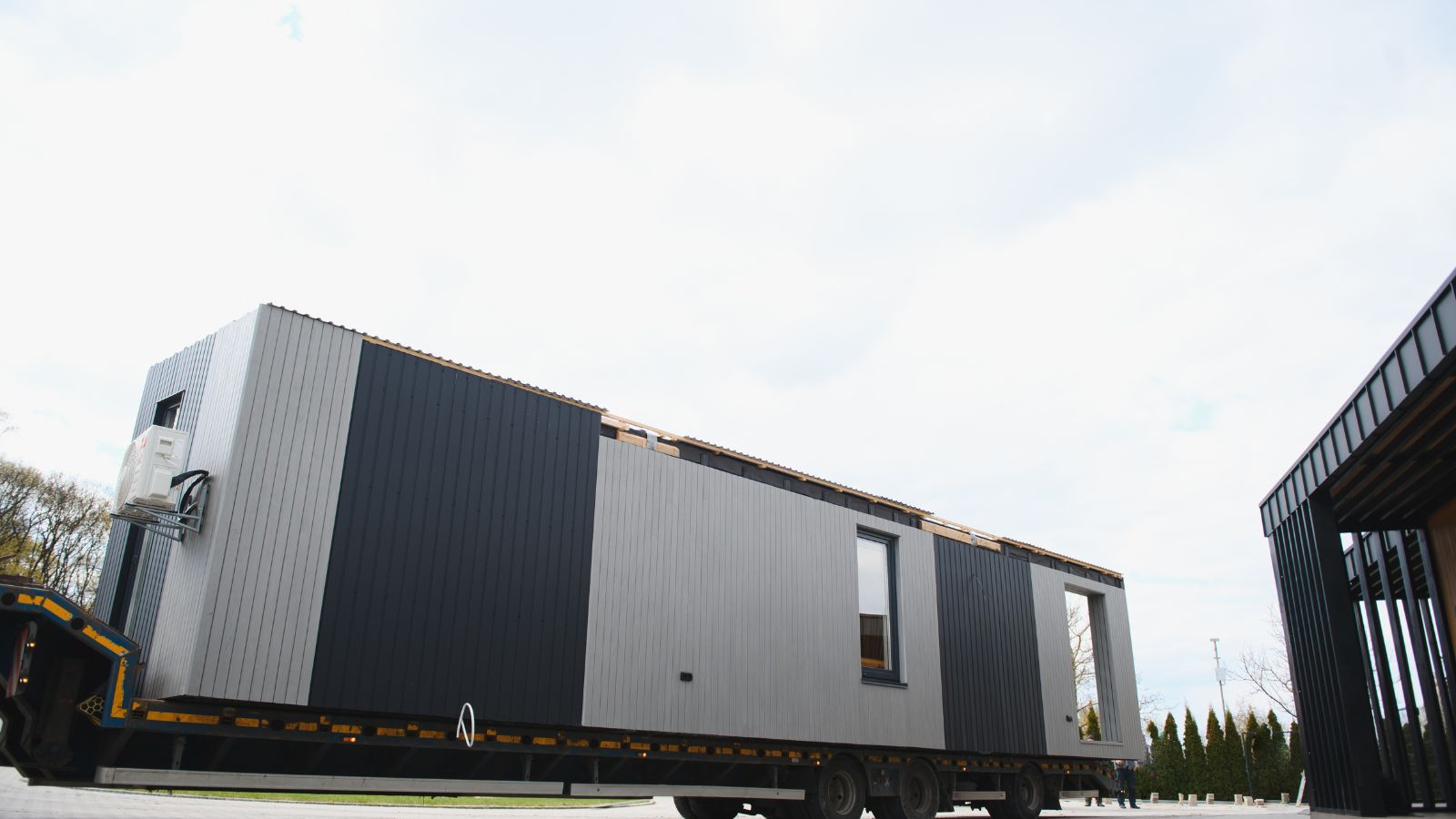
Code compliance is often a split process: factory work may be inspected under the regulations of the country where the manufacturer is located, while local authorities at project sites inspect foundations and final connections.
You must confirm the contractor can navigate both paths smoothly without slowing down the project schedule.
- Align the Design With Local Codes: Ensure the offsite design is adapted for the local jurisdiction’s adopted code edition and environmental loads (such as wind, seismic, and snow), meeting the exact same intent as site-built construction.
- Understand Plan Review and Third-Party Inspection: Identify which agencies or programs will review plans and inspect production, estimate review times, and ensure proper coordination with local departments that inspect independent site work.
- Check Local Compliance Documentation: Request verifiable documentation specific to the project’s jurisdiction. This includes state modular labels or ICC-ES evaluation reports for U.S. jurisdictions; CSA-related certification for Canadian projects; CE marking for Europe; CodeMark certification for Australia and New Zealand; and ISO 9001/ISO 14001 certifications for overarching international factory quality and environmental management.
Examine Schedule, Logistics, and Modular Construction Risks
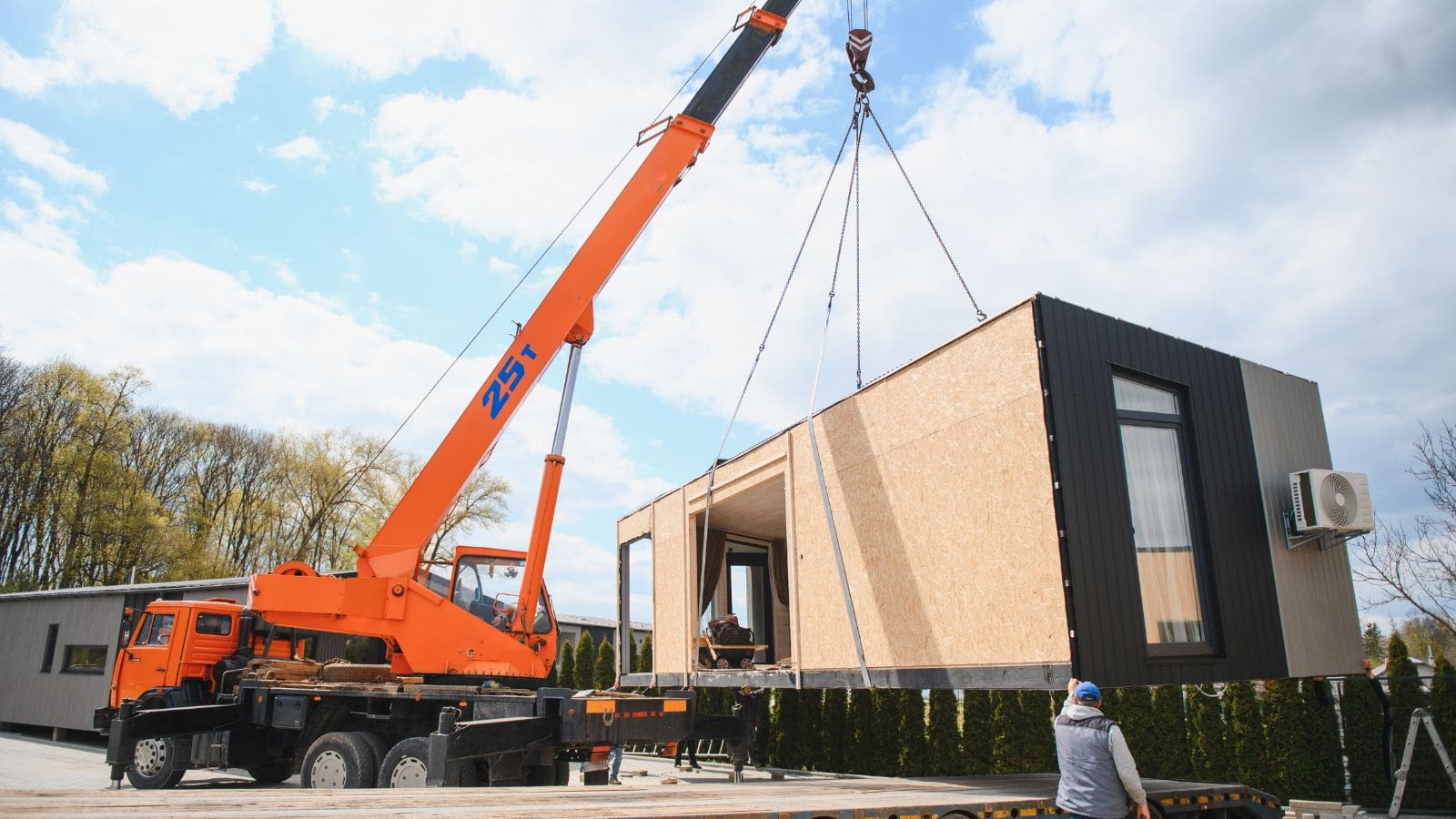
The benefits of offsite construction only materialize if factory and field schedules are perfectly synchronized. Logistics constraints—including routes, permits, crane time, storage, and weather protection—are frequent causes of delay and added construction cost that must be managed proactively.
- Validate the Parallel Factory and Site Schedule: Request a single, integrated schedule showing factory milestones alongside site milestones (foundations, utilities, lift dates) to prevent modules from arriving at an unprepared site, which causes rehandling and damage exposure.
- Plan Transportation, Permits, Lifting, and Contingencies: Address logistics early by confirming requirements for oversized permits, route surveys, delivery time-windows, crane specs, rigging plans, and backup contingency plans for installation delays.
- Manage Handoffs Between Foundations and Module Installation: Prevent tolerance failures by establishing clear accountability for foundation dimensional verification. Ask who measures and signs off before shipping, and who pays if tolerances are missed.
Compare Commercial Terms and Long-Term Accountability
When comparing bids, it is vital to normalize the scope. Some quotes emphasize factory price but deliberately omit site work, permits, crane costs, or commissioning. To compare fairly with traditional construction, you need a complete, apples-to-apples scope and clear risk allocation.
- Clarify Responsibilities at Different Stages: Before comparing bids, clarify where factory responsibility ends and site responsibility begins. Request a written responsibility matrix covering design, transport, lifting, weather protection, utility tie-ins, inspections, and punch-list to minimize disputes and rework in modular construction.
- Normalize Total Construction Cost: Ask each bidder for a full, transparent breakdown covering factory production, transportation, lifting, site assembly, and close-out, along with a clear list of assumptions to avoid surprises.
- Assign Responsibility for Defects, Delays, and Change Orders: Clarify exactly who pays when modules arrive damaged, inspections fail, or design changes occur after production begins, as late changes carry much higher disruption costs in modular construction.
- Assess Warranties, Maintenance, and Post-Installation Support: Ask for the warranty duration, clear coverage boundaries (materials vs. workmanship), and response SLAs. Strong after-sales support is a crucial part of the delivery model for permanent modular construction.
FAQ
What should I request first when evaluating modular construction companies?
You should immediately ask for three things: a responsibility matrix, a sample integrated schedule, and evidence of QA/inspection practices (like NCR logs). These documents will quickly reveal whether the contractor has the maturity to execute the modular construction process reliably.
How do payment schedules differ with a modular contractor?
Unlike traditional construction where you pay based on site progress, modular factories require significant upfront cash flow to procure materials and build in the factory. You will often pay 50% to 80% of the module’s total cost before it even arrives at your site. You must confirm that your lender or financing partner understands and supports off-site construction draw schedules.
Can I make design changes after factory production begins?
While technically possible, it is highly discouraged and incredibly expensive. The speed of modular construction relies on a “frozen design” before manufacturing starts. Changes on the assembly line disrupt factory throughput, cause severe delays, and will trigger costly change orders. You must finalize all finishes and layouts during the engineering phase.
Who is liable if a module gets damaged during transportation or lifting?
This depends entirely on your contract and delivery model. In a turnkey contract, the manufacturer usually bears the risk until the building is installed and handed over. If you have a manufacturing-only contract, the liability might transfer to you or your transport/crane contractor the moment the module leaves the factory gate. Always verify insurance coverage and the exact point of liability transfer in your contract.