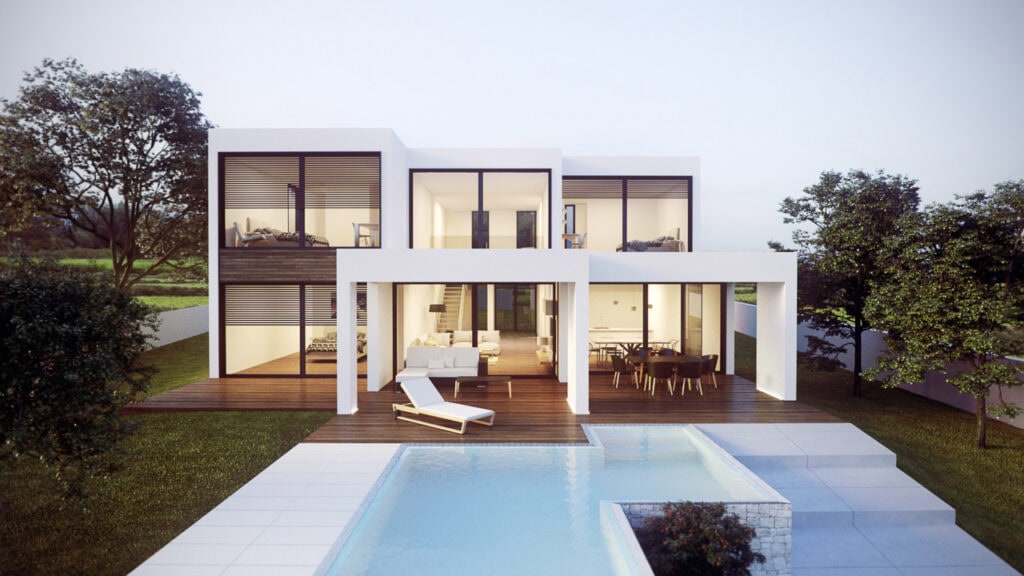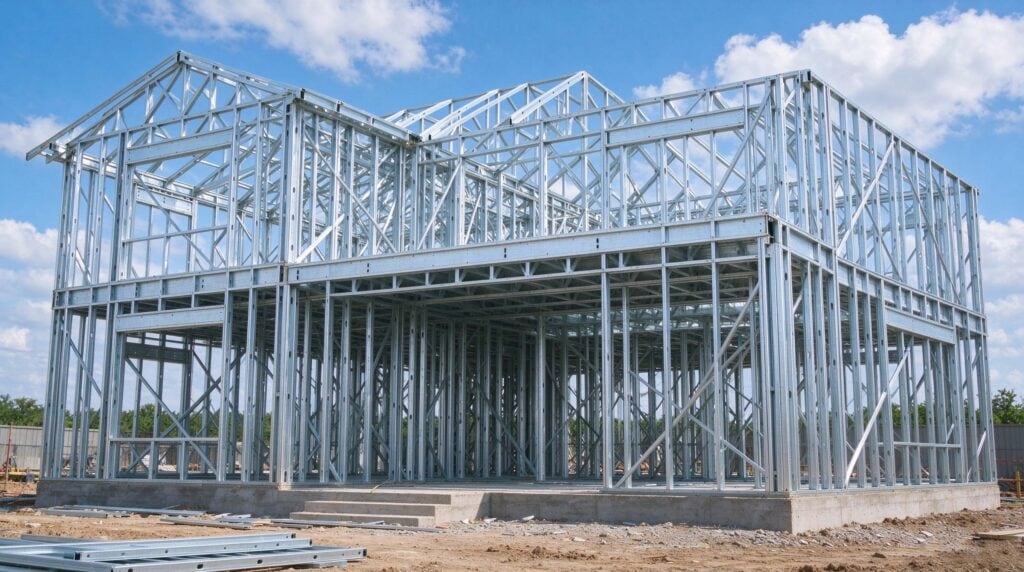
Cost saving is one of the unique advantages of modular construction, but it is heavily influenced by site work, financing, labor, and project schedules. Real cost savings in modular construction come from the total delivered cost of a project, not just the upfront price of the module itself.
This article breaks down where those savings actually come from, what constraints can offset them, and how a project team can build a realistic financial model before committing to this delivery method.
How Factory Production Reduces Direct Costs
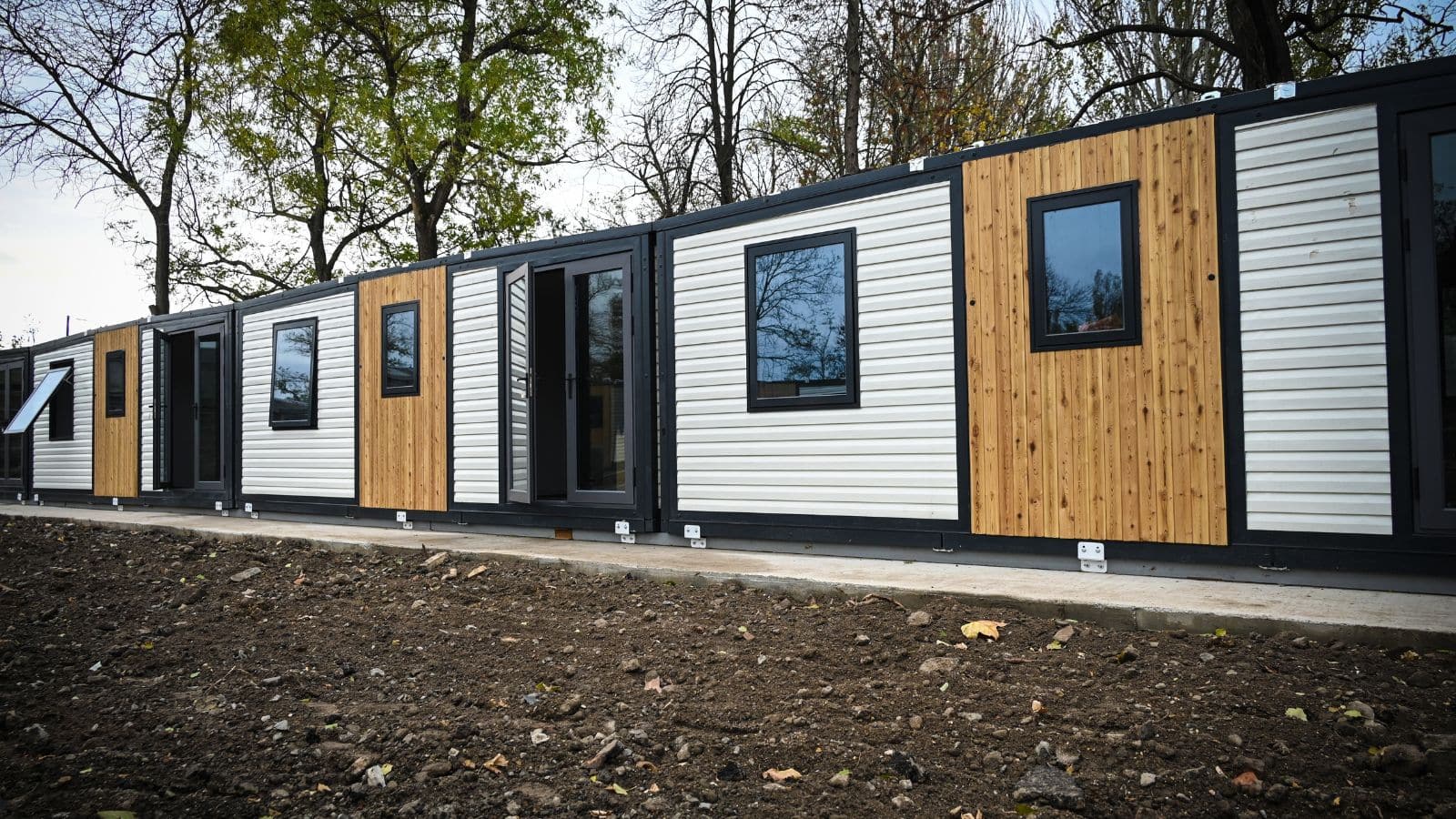
To understand a modular project’s financial advantages, it helps to first look at how the modules are built. Factory-controlled production lowers direct costs through better labor utilization and tighter material control.
Labor Costs, Workforce Availability, and On-Site Labor
Finding and hiring skilled trades to work on-site requires significant effort and time, often diverting your attention from the project itself. Modular construction shifts a large share of this labor into the factory, where workers trained in standardized programs perform repeatable tasks in a fixed location.
This drastically reduces reliance on field crews and lowers on-site construction costs. For repeatable projects, less time is needed for framing, mechanical rough-ins, and finish work once modules arrive, which often means fewer subcontractors needed on a modular job compared to a traditional site-built one.
Material Costs, Bulk Purchasing, and Less Rework
Factories order materials in bulk and cut them with precision equipment off-site, significantly reducing material waste. In contrast, traditional construction often generates excess waste from over-ordering, weather damage, and cutting errors.
Moreover, strict quality control inside a factory environment catches problems early. This dramatically cuts down on expensive change orders and rework once the modules reach the construction site.
How Compressing Timelines Lowers Construction Costs
Beyond the direct material and labor efficiencies achieved indoors, offsite construction fundamentally changes the sequencing of work. This shift is where much of the schedule advantage originates. By running site preparation and module fabrication concurrently, the overall project timeline is significantly shortened.
Running Site Preparation and Module Fabrication in Parallel
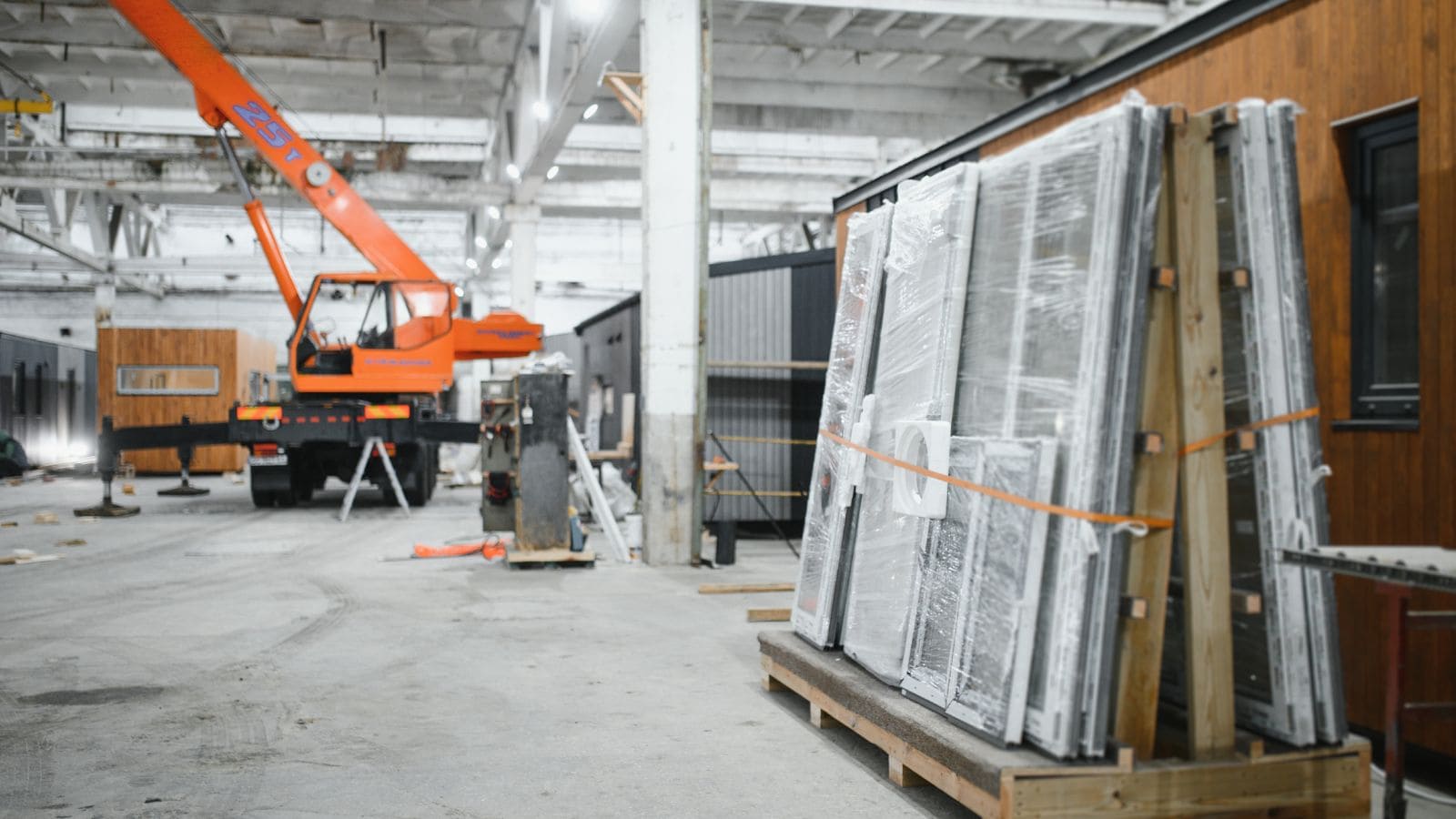
The most significant time-saving advantage of offsite construction comes from breaking the traditional, linear construction chain. Instead of waiting for one phase to finish before starting the next, modular delivery allows site preparation and building fabrication to happen at the exact same time.
| Feature | Traditional Site-Built Construction | Modular Offsite Construction |
|---|---|---|
| Workflow Model | Fixed, Linear Order: A step-by-step, sequential process. | Parallel Processing: Two distinct tracks running simultaneously. |
| Phase Sequencing | Each phase must wait for the previous one to complete (Foundation – Framing – Mechanicals – Finishes). | Site work (grading/foundation) happens on-site while the building takes shape inside the factory. |
| Vulnerability to Delays | High. A delay in the foundation phase pushes back every subsequent trade and extends the entire timeline. | Low. Because the building is constructed indoors concurrently, site delays do not halt the actual building process. |
Industry data suggests this parallel approach can compress schedules by 20% to 50%. The actual figure depends heavily on design complexity, permitting speeds, and site access.
Reducing Weather Delays and Crew Coordination Risks
Factory manufacturing happens indoors—safe from rain, snow, and extreme heat. This is crucial because weather delays are one of the most common causes of schedule slippage in site-built projects.
Standardized processes inside a manufacturing facility also reduce dependence on subcontractors arriving on time. General contractors managing traditional builds often juggle dozens of trades, each with its own timeline and potential for delay. A factory crew works on a fixed production line with far fewer coordination bottlenecks.
While this doesn’t eliminate delays entirely—permitting, site access issues, and transportation can still slow a modular project down—it significantly mitigates on-site risks.
Turning Time Savings Into Financial Value
While parallel construction tracks can shave months off the calendar, schedule compression only becomes a real financial benefit when converted into financial value.
Construction Financing, Interest Carry, and Cash Flow
A construction loan accrues interest for as long as a project remains unfinished. Shortening the build timeline by even a few months can meaningfully reduce that interest carry.
For a typical single-family modular home, a three-to-five-month reduction in build time results in less loan interest and lower carrying costs.
On a larger commercial project, this impact scales up significantly. Cash flow benefits also extend beyond interest savings—a shorter build means less time paying for site security, temporary utilities, and construction insurance.
Earlier Occupancy, Revenue, and Return on Investment
Earlier occupancy means earlier revenue for rental properties, hotels, or workforce housing. This earlier revenue stream directly improves Return on Investment (ROI), sometimes enough to entirely offset a higher upfront module cost.
Some multifamily projects have shown that while modular delivery may require more equity at the start, the gap is quickly recovered through faster completion and reduced exposure to cost overruns (which remain common in traditional construction).
Measuring Total Delivered Cost of Modular Construction
Despite the clear financial gains from factory efficiency and shortened schedules, evaluating a modular project’s true success requires a holistic view. Comparing modular and site-built construction based strictly on “cost per square foot” can produce misleading answers.
Why Cost Per Square Foot Is an Incomplete Comparison
Cost per square foot works well when comparing identical buildings built the exact same way. It breaks down when comparing modular to conventional construction because the two methods package costs differently.
A modular unit quote often bundles interior finishes, wiring, and plumbing into the factory price. A traditional construction bid may separate those costs into later line items.
Without adjusting for what is included, a side-by-side comparison can be off by a wide margin. A “20% savings on module price” means little if unexpected site work eats up the budget later.
The Extra Modular Building Cost Categories
Beyond the price of the modular building itself, a realistic, comprehensive budget for either delivery method must include:
- Site work: Grading, drainage, and access roads.
- Foundation: Design and installation (which modular buildings still require on-site).
- Utilities and connections: Water, sewer, gas, and electrical tie-ins.
- Permitting: Local and state approvals, inspections, and fees.
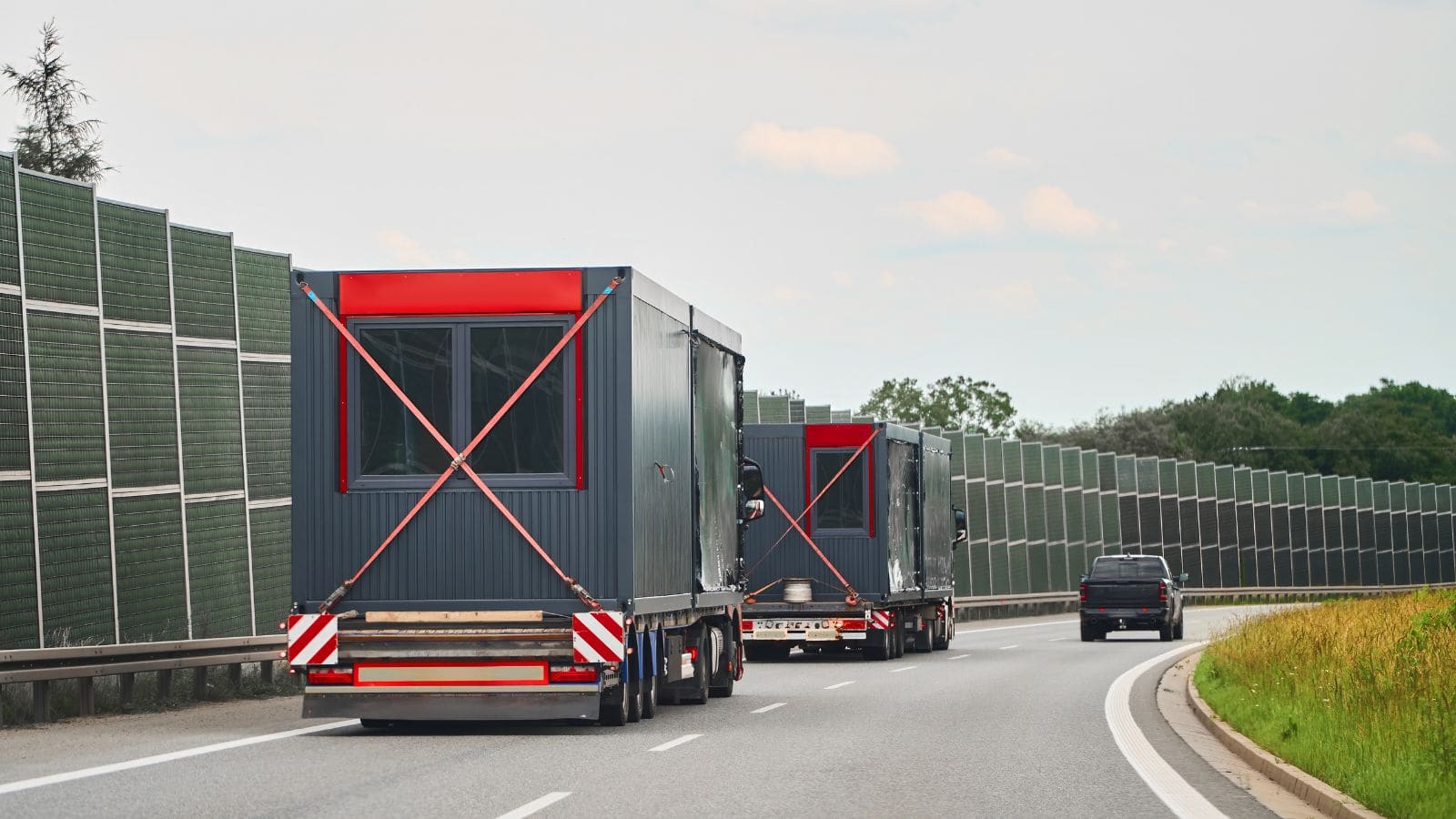
- Transportation costs: Hauling modules from the manufacturing facility to the site.
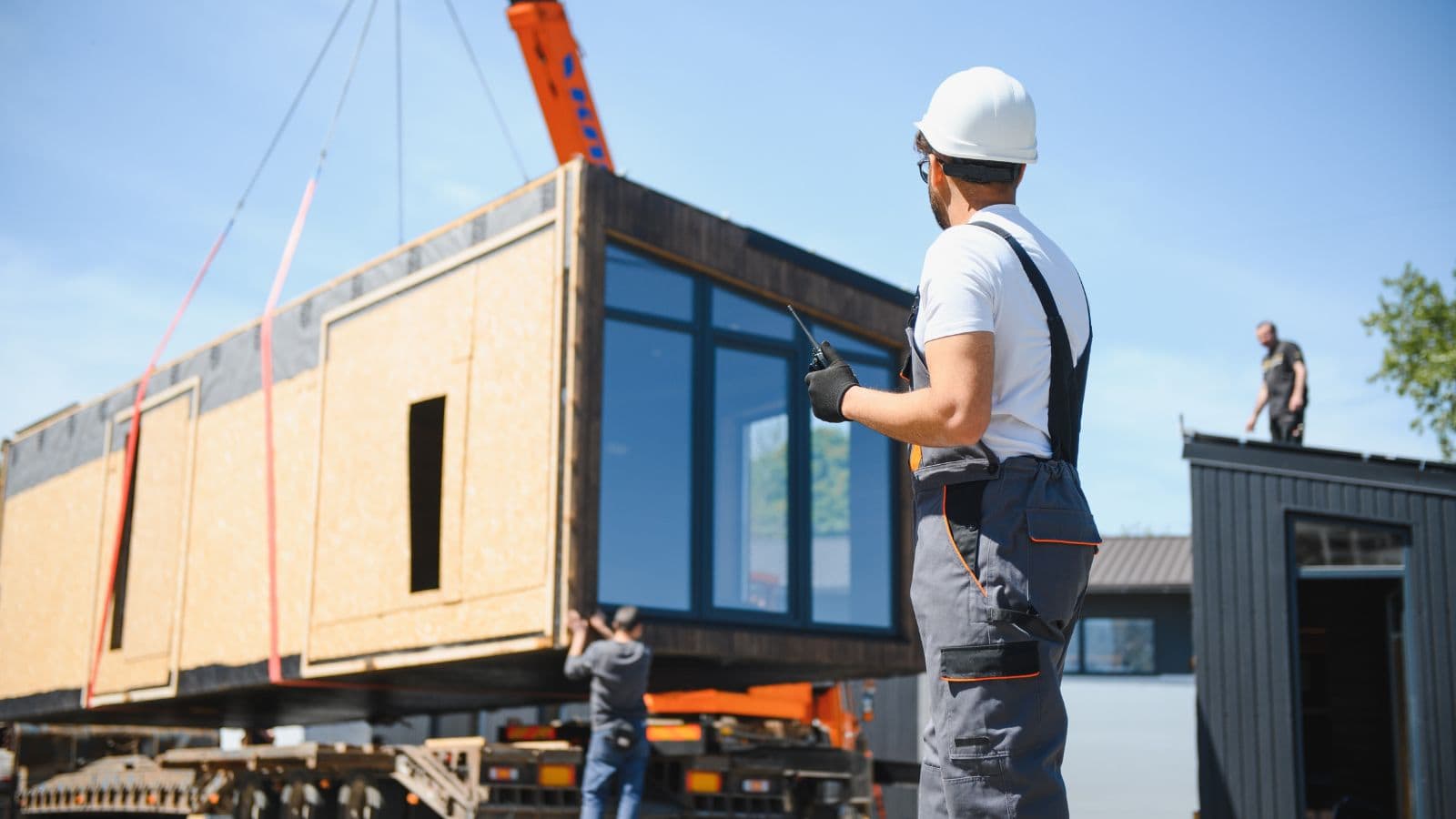
- Crane and rigging: Setting modules safely into place.
However, it is worth noting that some of these services can be parts of one-stop solution packages from experienced modular housing manufacturers, so it is always recommended to partner with a full-service provider and ask if they offer a turnkey delivery model for your specific project.
Constraints That Can Offset Anticipated Savings
Even with a comprehensive budget, unforeseen logistical hurdles and modular-specific tradeoffs can narrow your cost advantage if not planned for early:
- Design Complexity: Modular construction maximizes savings through standardized, repeatable layouts. Highly customized designs, unusual shapes, or oversized modules drive up manufacturing costs.
- Site Access & Logistics: Transport costs rise with distance. Furthermore, tight urban lots may require expensive road closures or specialized crane setups that aren’t always obvious during the design phase.
- Accelerated Decision-Making: Modular projects demand earlier design commitments. Foundations and utility placements must be locked in before manufacturing begins, as modules are built to precise site specifications.
- Financing Alignment: Traditional construction loans based on standard draw schedules may not align with modular payment terms, which typically require large upfront factory deposits.
- Permitting Pace: While factory building is fast, local jurisdictions unfamiliar with volumetric construction codes may slow down the initial approval process.
While these constraints are real, they don’t have to be dealbreakers. By communicating openly with an experienced modular manufacturer early in the process, you will often find they already have established strategies, workflows, and industry connections designed to overcome these exact challenges.
Identifying Projects With the Strongest Business Case
Not every project benefits equally from modular delivery. The strongest financial cases appear where a design repeats across multiple units and where speed-to-occupancy carries significant financial weight.
Repeatable Programs and Multi-Unit Development
Apartment complexes, workforce housing, hotels, and schools share a common trait: the same floor plan gets built many times. This repetition is where factory-built construction delivers the most consistent cost savings. By producing dozens of identical units, manufacturers can spread engineering and tooling costs across the entire run, drastically lowering the per-unit price.
Your Project Evaluation Checklist
Before committing to a delivery method, project teams should run their concept through this quick checklist:
- Design Repetition: Do multiple units share the exact same layout?
- Speed to Revenue: How much does finishing 3-6 months earlier impact your ROI?
- Site Accessibility: Can cranes and transport trucks easily reach the final destination?
- Financial Alignment: Does your construction lender understand and support the factory deposit schedule?
If your project checks most of these boxes, modular construction is likely your most profitable path forward.
Ready for Your Next Project with Lower Costs & Faster Delivery?
Maximize your ROI with Deepblue Smarthouse’s modular construction. Whether you are developing single-family homes, multi-unit apartments, or rapid-deployment resorts, our cutting-edge light steel panelized and kit home systems are engineered to transform your bottom line:
- Slash Material Costs by up to 50%: Our precision-engineered prefab solutions eliminate on-site waste.
- Reduce Labor Costs by 60%: Pre-cut, labeled components and streamlined assembly drastically minimize the need for scarce field crews.
- Accelerate Construction by 70%: Stop waiting on weather and sequential trades. Build faster without compromising on global quality standards.
Partner with us for a sustainable, cost-effective, and fully customizable modular building solution!
Frequently Asked Questions
Are modular homes actually cheaper than traditional site-built homes?
It depends on the total delivered cost. By utilizing advanced light steel framing systems like those at Deepblue Smarthouse, developers save significantly on labor, material waste, and financing costs due to a shorter build schedule. For multi-unit developments, these savings are substantial.
How long do Deepblue modular homes last?
Modular homes built with light-gauge steel are incredibly durable. The galvanized steel frames are anti-corrosion, fire-resistant, and built to withstand severe weather and seismic activity, ensuring a lifespan equal to or greater than traditional timber-framed buildings.
Can Deepblue modular homes be customized?
Yes. While repeatable designs offer the highest cost efficiency, Deepblue Smarthouse provides comprehensive engineering and design services to customize layouts, exterior finishes, and smart home features to meet your specific market needs.
Do exported modular homes meet my local building codes?
Yes. As a global exporter, Deepblue Smarthouse has extensive experience engineering and manufacturing modular homes to comply with international standards, including AU/NZ, US, and European building codes.