You may wonder if adding an accessory dwelling unit is worth the cost and effort. In many markets, a legal, well‑built ADU does add value to your home by increasing usable space and income potential. The type of ADU, its design, and how to use it all play a big role in the value and income gained with these housing solutions.
How an Accessory Dwelling Unit (ADU) Adds Value to Your Home
An ADU offers more usable space, more income options, and more flexibility for your household. These benefits affect both daily living and long-term home value in clear, measurable ways.
Increase in Property Value
An accessory dwelling unit adds additional living space, which often leads to an increase in property value. Appraisers and buyers usually value legal, well-built ADUs as real square footage, not as bonus space.
In many markets, homes with an ADU sell for more than similar homes without one.
Key factors that raise ADU value include:
- A separate entrance and full utilities
- Proper permits and zoning approval
- Privacy from the main home
Rental Income Potential
An ADU creates a direct path to ongoing income. You can rent it long term for stable cash flow or short term to tenants that seek weekly resort homes, event & festival housing, or relocation stays. This income strengthens your home’s ADU value beyond resale alone.
The generated rental income can help cover mortgage, taxes, or maintenance costs. Over time, this income may offset a large part of the build cost.
Multi-Generational Living Benefits
ADUs support multi-generational living without forcing everyone into one space. You gain separation, privacy, and independence while staying close.
Many homeowners use an ADU as an in-law suite for aging parents. Others house adult children, caregivers, or family members who need nearby support. This setup reduces housing costs while keeping families connected.
A well-designed ADU should be able to shift between family use and income use over time, which protects long-term appeal.
This flexibility makes your home useful across different life stages, not just one moment in time.
Key Factors Influencing ADU Value
Several concrete factors shape how much value an ADU can provide. Local demand, build quality, and usable space matter more than trends or personal taste. These details affect both resale price and long-term income.
Location and Market Demand
Your location has the strongest effect on whether an additional dwelling unit can increase property value. Homes in dense cities with high rents tend to see the largest gains. Buyers in these areas often expect an ADU and will pay more for one.
Local ADU ordinance rules also matter. Cities that allow legal, permitted ADUs make financing and resale easier, while unclear or restrictive rules can limit buyer interest.
Location factors that raise ADU value include:
- High rental demand
- Limited housing supply
- Clear and supportive ADU ordinances
- Proximity to jobs, transit, and services
Quality of Construction and Design
Construction quality directly affects how buyers judge ADU value. A well-built unit feels like a real home, not an afterthought. Poor finishes or layout issues can reduce appeal, even in strong markets.
Permits play a critical role. A legal ADU holds more value than an unpermitted one because lenders and buyers accept it without risk. What’s more, appraisers often discount unpermitted space.
Design also influences usability. Simple layouts, natural light, and durable materials perform best.
Key quality features buyers would notice:
- Proper permits and inspections
- Energy-efficient systems
- Sound insulation and privacy
- Clean, durable finishes
Size and Functionality
Size alone does not define value, but function does. A compact unit with a full kitchen and bathroom often outperforms a larger space with missing features. Detached ADUs usually add more value than conversions because they offer privacy.
There should be a balance between cost and livability, as a well-planned size often delivers better returns than simply building bigger.
Types of ADUs and How They Increase Property Value
Different ADU types affect home value in different ways. The biggest factors include privacy, construction cost, rental demand, and how well the unit fits your lot and local rules.
Detached ADU
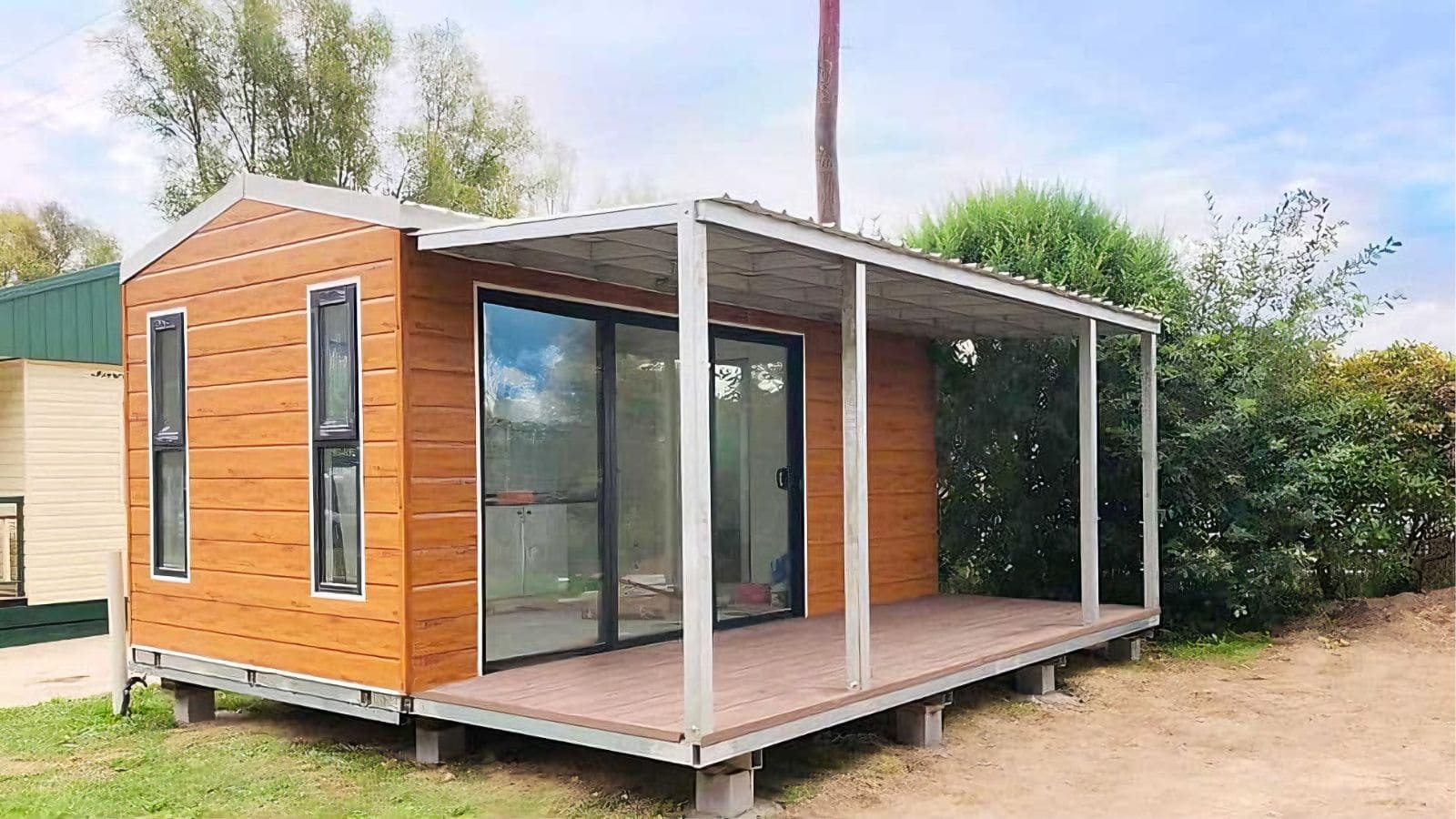
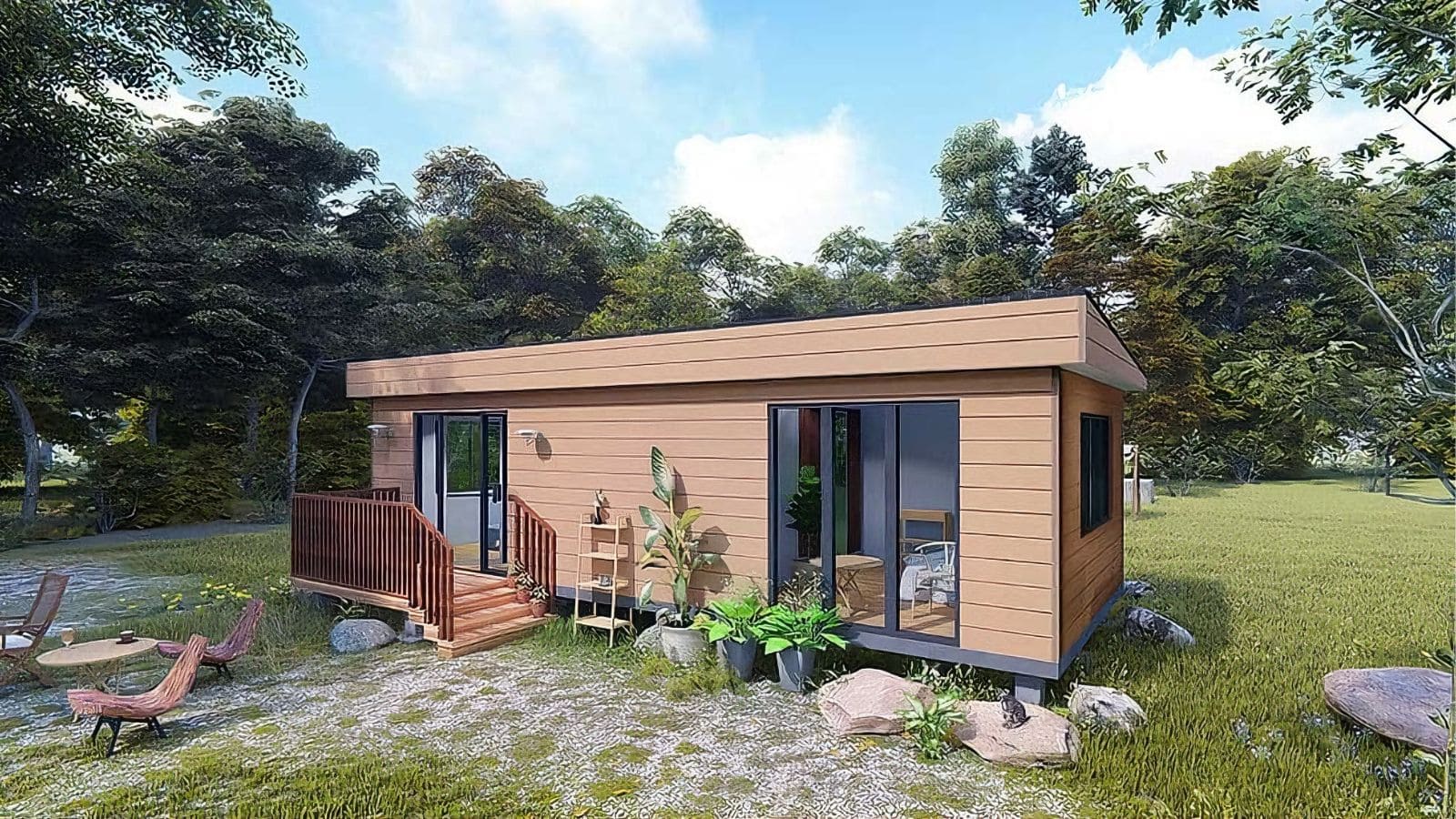
A detached ADU is a separate structure from the main house, often called a backyard cottage, guest house, or granny flat. You place it away from the main home, which gives strong privacy.
This type often adds the most value because buyers see it as a full second home. Renters also prefer it, which raises income potential.
But this requires more upfront costs than other ADU types. You pay for new utilities, a foundation, and full construction. In return, appraisers often assign higher value because of the unit’s functions.
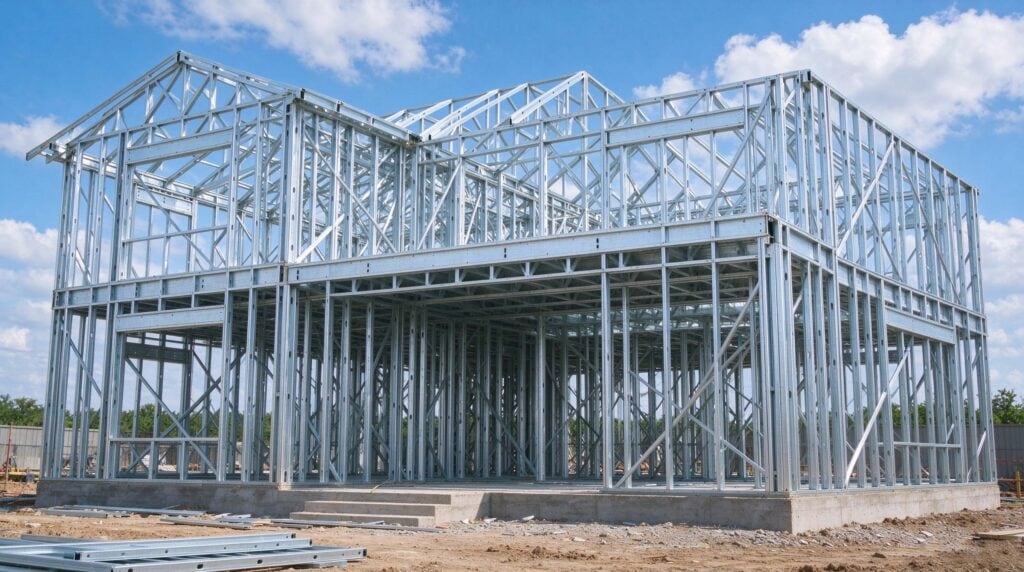
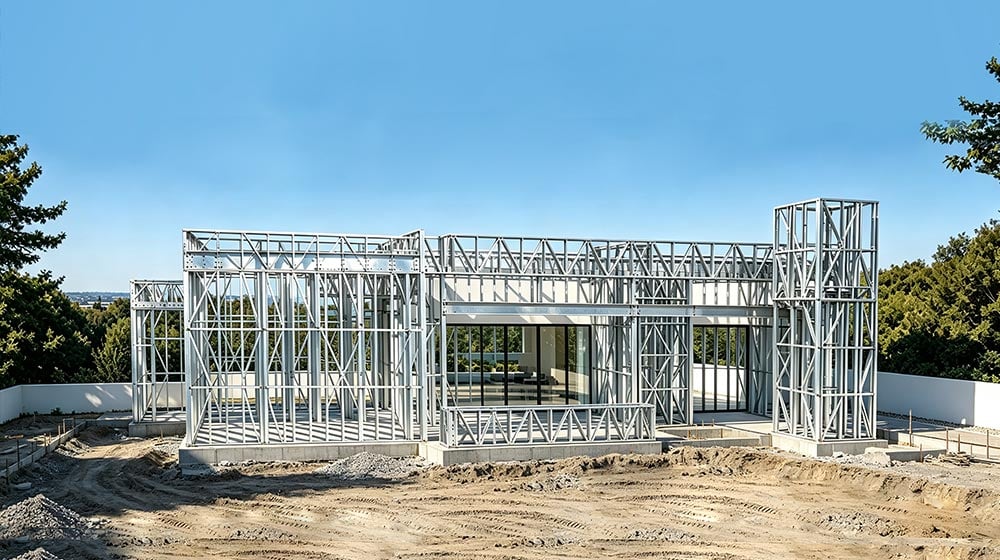
However, if you choose prefabricated or modular ADU options with non-traditional materials like light-gauge steel, the unit often does not need a deep foundation or frequent maintenance.
Attached ADU
An attached ADU connects to your main home but has its own entrance. It may share one or more walls.
This option balances cost and value. You save money by using existing walls and utilities. At the same time, the unit still adds legal living space.
Buyers value attached ADUs for flexibility. They work well for long-term rentals, aging parents, adult children, or general multi‑generation living.
Value gains depend on layout. Units with separate entrances, full kitchens, and sound separation perform better during resale.
Garage Conversion ADU
A garage conversion ADU turns an existing garage into living space. This is one of the fastest and least expensive ADU paths.
You lower costs by keeping the structure. That improves return on investment, especially in urban areas. Many owners choose this type when zoning limits new buildings.
Value depends on tradeoffs like the loss of parking, which matters in dense cities. Quality design and permits matter more here than size.
Junior ADU and Interior Units
A junior ADU (JADU) or interior ADU uses space inside your home. Examples include a basement apartment or a bedroom suite with a small kitchen.
These units cost the least to build because they use existing plumbing and walls, which keeps budgets tight.
They add less value than detached units. Many JADUs share utilities or entrances, which limits rent and buyer appeal. Still, they often raise value by 10–15%.
Interior ADUs work best when you want family housing or modest rental income without major construction.
Maximizing Value: Design and Usage
You increase adu value with clear choices about design, daily use, and expert support. Strong planning helps the additional living space appeal to buyers, renters, and appraisers.
Design for Appeal
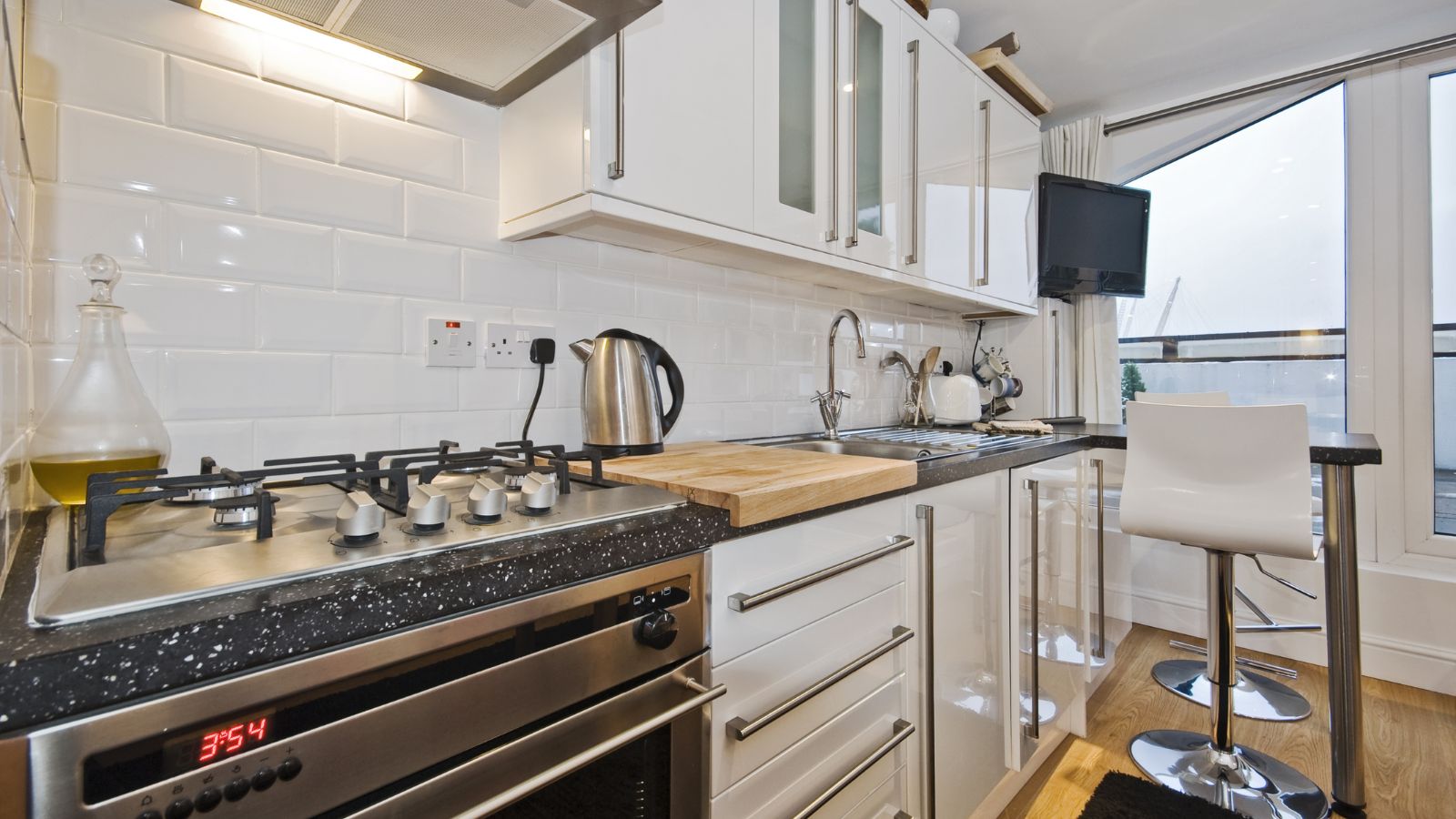
Design affects how buyers judge value. You should match the ADU style to your main home so the property feels planned, not pieced together. Use simple roof lines, similar siding, and neutral colors.
Focus on layout before finishes. An open living area, good light, and smart storage make small spaces feel larger. Large windows, standard ceiling heights, and clear walkways matter more than luxury features.
High-impact design choices
- Full kitchen with standard appliances
- Private entrance facing the yard or side lot
- Durable flooring like vinyl plank or tile
- Energy‑efficient windows and insulation
Usage Flexibility
In order to cater to a wide range of tenants, homeowners should design the unit to work for renters, family members, or home offices without changes.
A full bathroom and separate kitchen allow long‑term rentals. Sound insulation supports home office or guest use. A small outdoor area adds appeal for tenants and relatives.
Flexible additional living space makes your property useful across life stages.
Working with Professionals for Your ADU Project
Finally, before starting the project, remember to cooperate with an experienced professional like a prefab housing manufacturer or construction contractor with ADU experience in your country, because they not only understand local building codes and regulations better, which reduces delays and budget overruns, but also have the expertise to guide you through the process.
Adding an ADU is a significant decision that can enhance your property’s value, utility, and financial resilience. By aligning the project with market demand and professional guidance, an ADU can be a powerful tool for building equity, generating income, and adapting your home to meet the evolving needs.
Frequently Asked Questions
How much value does an ADU typically add to a home?
There’s no universal figure, as value depends heavily on location, quality, and type of ADU. In high-demand markets, a permitted, well-built detached ADU can increase property value by a significant percentage, often potentially equaling or exceeding its construction cost over time. Interior conversions like JADUs generally add less but still provide a solid return.
Can I really offset the cost with rental income?
Yes, in many areas. A primary financial benefit of an ADU is its ability to generate rental income. Long-term rentals provide stable cash flow that can help cover mortgage, property taxes, and maintenance. In some markets, the rental income can completely offset the ADU’s financing costs over time.
Is an ADU a good idea if I don’t plan to rent it out?
Absolutely. Even without rental income, an ADU adds value by increasing the home’s usable square footage. It provides flexible space for a multi-generational family, adult children, a home office, or a guest suite, all of which are attractive features to future buyers.
Disclaimer: This article is for informational purposes only. It does not constitute legal, financial, tax, or professional advice. Laws, regulations, and costs vary widely by location and are subject to change. You are strongly advised to consult with authoritative sources before undertaking any ADU project.