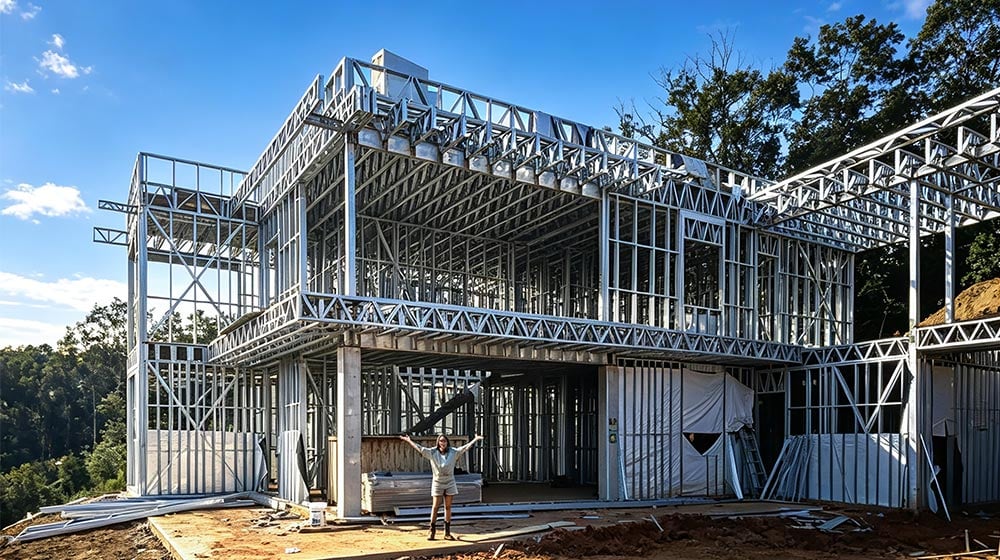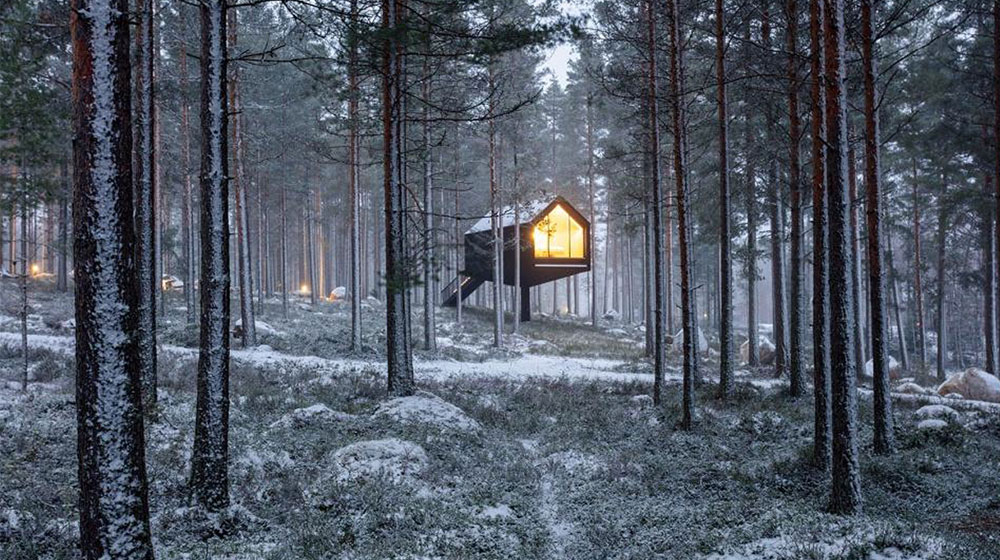
Cold formed steel framing is a building system that forms thin steel sheets into structural steel framing members without heat. Here in this article, we will dissect this system from two perspectives:
- What is cold formed steel framing?
- How is it used for construction?
What Is Cold Formed Steel Framing?
Cold formed steel framing uses thin sheets of structural steel to create wall studs, floor joists, roof trusses, and other parts of a steel framing system.
Terminology and Common Names
Cold formed steel framing goes by several names in the industry, with each of them addressing a certain quality of the steel. The most common terms include:
- Cold-formed steel (CFS)
- Light gauge steel
- Light gauge steel framing (LGS)
- Steel stud framing
The term “light gauge steel“ highlights the thin thickness of the material. Gauges often range from about 20 to 10 gauge for structural framing, though lighter gauges serve non-load-bearing walls.
Manufacturing of Cold Formed Steel(CFS) Framing Members
Cold formed steel framing starts with structural steel made in large mills and ends with thin, shaped members cut to exact lengths. Each step—steel production, roll forming, coating, and quality control—affects strength, corrosion resistance, and fit on the job site.
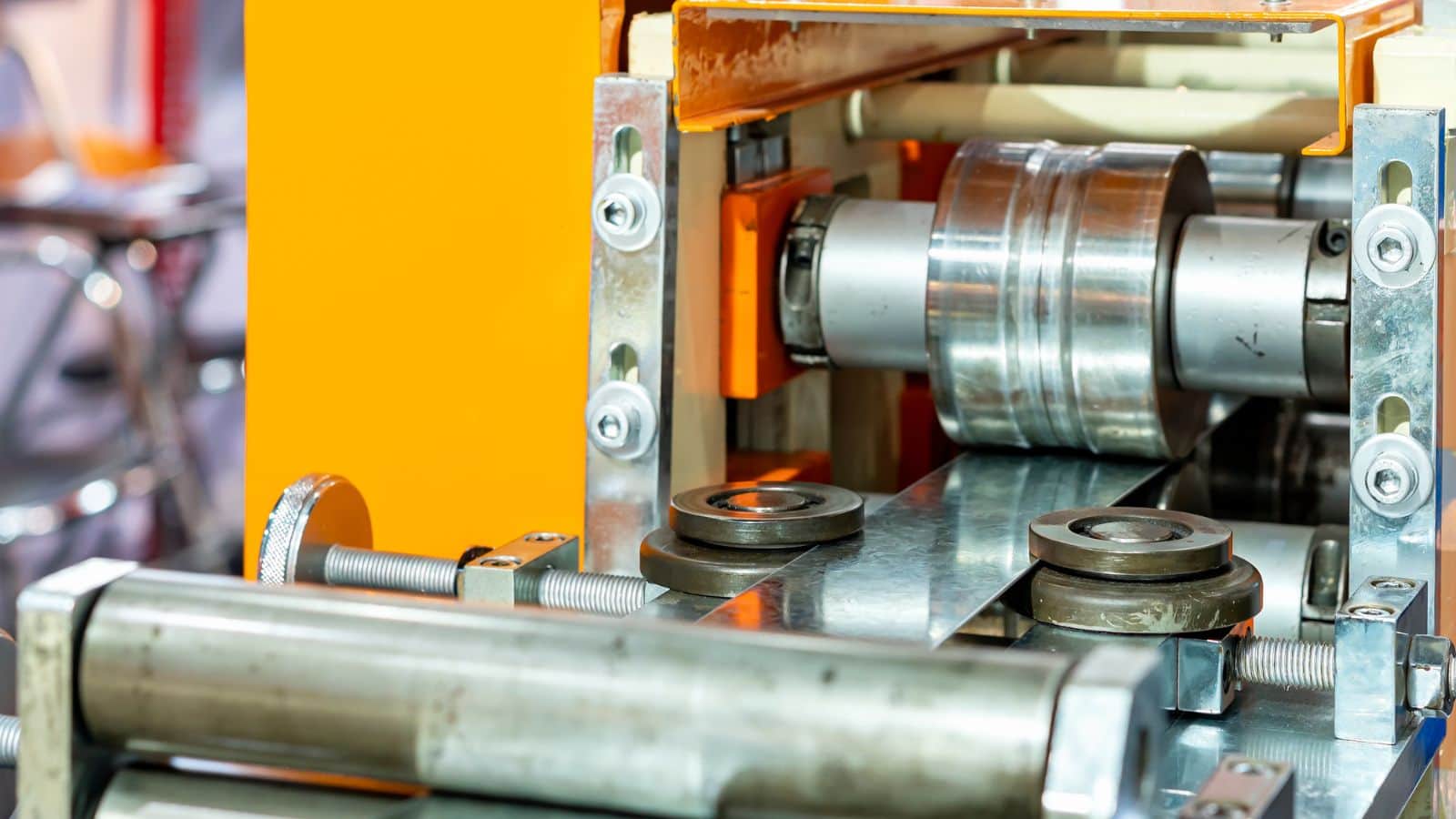
Steel Production and Roll Forming
Steel begins its journey in a furnace where it is cast and formed into slabs, then the mill rolls it into thin sheets, and packs the sheet into steel coils for transport to roll-forming facilities.
In contrast to hot-rolled steel that is treated with high heat, the production process of cold formed steel happens at or near room temperature. Manufacturers feed each steel coil into an advanced roll-forming machine. The machine uses a series of rollers to procedurally bend the steel a small amount at a time until it reaches the final shape.
After forming, the machine cuts members to precise lengths by utilizing an automated system that controls speed, hole punching, and labeling to match project drawings.
Galvanization and Coating for Corrosion Resistance
Galvanization is a common treatment for cold form steel to resist rust. Mills coat the sheet steel with a layer of zinc before it reaches the roll-forming stage.
This zinc-coated steel protects the base metal in two ways:
- It creates a physical barrier against moisture and air.
- It provides sacrificial protection if the surface gets scratched.
Common coating weights meet building code and industry standards for interior and exterior wall systems. For harsher environments, manufacturers may apply heavier zinc layers or specialty coatings.
Because coating occurs before forming, the finished studs and tracks have consistent protection across all surfaces.
Core Components and Profiles
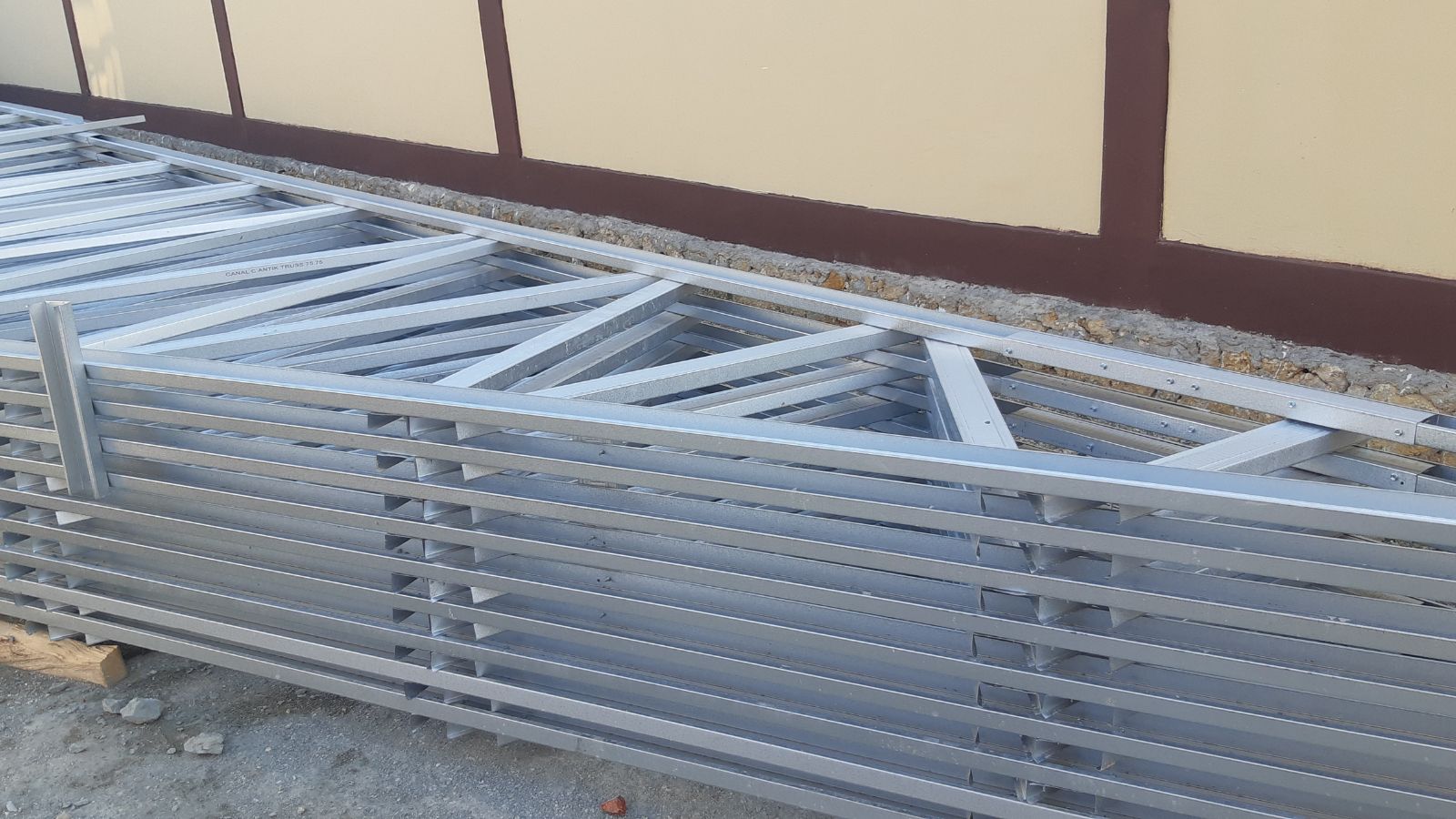
Cold formed steel framing uses a set of repeatable shapes that work together with fasteners to form walls, floors, and roofs. Each profile has a clear role, from vertical support members to bracing, bridging, and connections.
|
Component
|
Profile Shape
|
Primary Function
|
Key Installation Details
|
|---|---|---|---|
|
C-Studs
|
C-Shape (web, two flanges, stiffening lips)
|
Primary vertical load-carrying members in wall systems.
|
Installed at regular spacing (e.g., 16 or 24 inches on center) for both structural and non-structural partitions.
|
|
Tracks
|
U-Shape
|
Serve as the horizontal top and bottom runners for wall framing.
|
Anchored securely to floors and ceilings to hold the ends of the vertical studs in place.
|
|
Floor Joists
|
C-Shape
|
Horizontal load-bearing members for flooring systems.
|
Supports floor sheathing and transfers weight loads to the walls or primary beams.
|
|
Hat Channel
|
Hat-like (top flange with two vertical legs)
|
Furring out walls, leveling uneven surfaces, and creating cavities for utilities.
|
Typically used to support interior finishes like drywall or exterior cladding.
|
|
U-Channel
|
U-Shape
|
Acts as secondary blocking or bracing within the frame.
|
Installed horizontally between studs or joists to control rotation and improve overall wall stiffness.
|
|
Cold-Rolled Channels
|
Channel
|
Provides bridging between framing members.
|
Threaded through pre-punched web openings in studs/joists to tie the system together and distribute loads evenly.
|
Structural Advantages and Performance
Cold formed steel framing delivers high structural performance with low weight and tight tolerances. It resists moisture, insects, and fire, and it performs well in both load-bearing and non-load-bearing walls.

Strength-to-Weight Ratio and Dimensional Stability
Cold formed steel offers a high strength-to-weight ratio because the cold working increases yield strength in the formed areas through the process of strain hardening. The bends and lips in the finished components act as stiffeners, which resist bending and buckling.
These steel studs are light enough for builders to lift and place by hand, yet the framing can support multi-story loads when designed correctly.
Dimensional stability also sets it apart, as steel does not shrink, swell, twist, or warp with changes in humidity. Meanwhile, wooden traditional building would be affected by termites and moisture levels.
This stability improves structural performance over time. Walls stay plumb, drywall cracks decrease, finishes remain aligned, and the frames perform better during natural hazards like seismic events and tornados.
Corrosion Resistance and Fire-Rated Assemblies
Most cold formed steel members include a zinc or zinc-aluminum coating. This coating provides corrosion resistance by protecting the base steel from moisture and air.
If the surface gets scratched, the zinc layer corrodes first and shields the steel underneath. This feature matters in coastal areas, humid climates, and buildings with mechanical rooms.
Steel is also non-combustible. These traits support reliable fire-rated assemblies. Designers can combine steel framing with rated gypsum board and insulation to meet specific fire-resistance requirements under building codes.
Because steel behavior under heat is well studied, engineers can model fire performance with known data. This predictability supports safer design in multifamily, commercial, and institutional projects.
Load Bearing and Design Considerations
Cold-formed steel can be used just to frame interior rooms (non-load-bearing) or to support the actual weight of the structure (load-bearing).
In a load-bearing setup, the steel studs act like the building’s skeleton. Their primary job is to safely carry the heavy weight of the roof and floors straight down into the concrete foundation.
Because of the thin nature of light gauge steel, engineers must follow standards like the AISI S100 and specific design norms to ensure the metal doesn’t crumple under the weight of the building.
The structural and non-structural applications enable great versatility and allow the entire frame of a building to be constructed with cold form steel.
Long-Term Durability and Life Cycle Costs
All the benefits and features in this chapter either directly or indirectly support durability and lower costs of cold formed steel frames.
Because steel framing maintains its shape and strength over decades, owners often see less money spent on repairs tied to movement, moisture damage, or pest issues. Its recyclability also adds value at the end of a building’s use, which can reduce waste and disposal costs.
Applications in Modern Construction
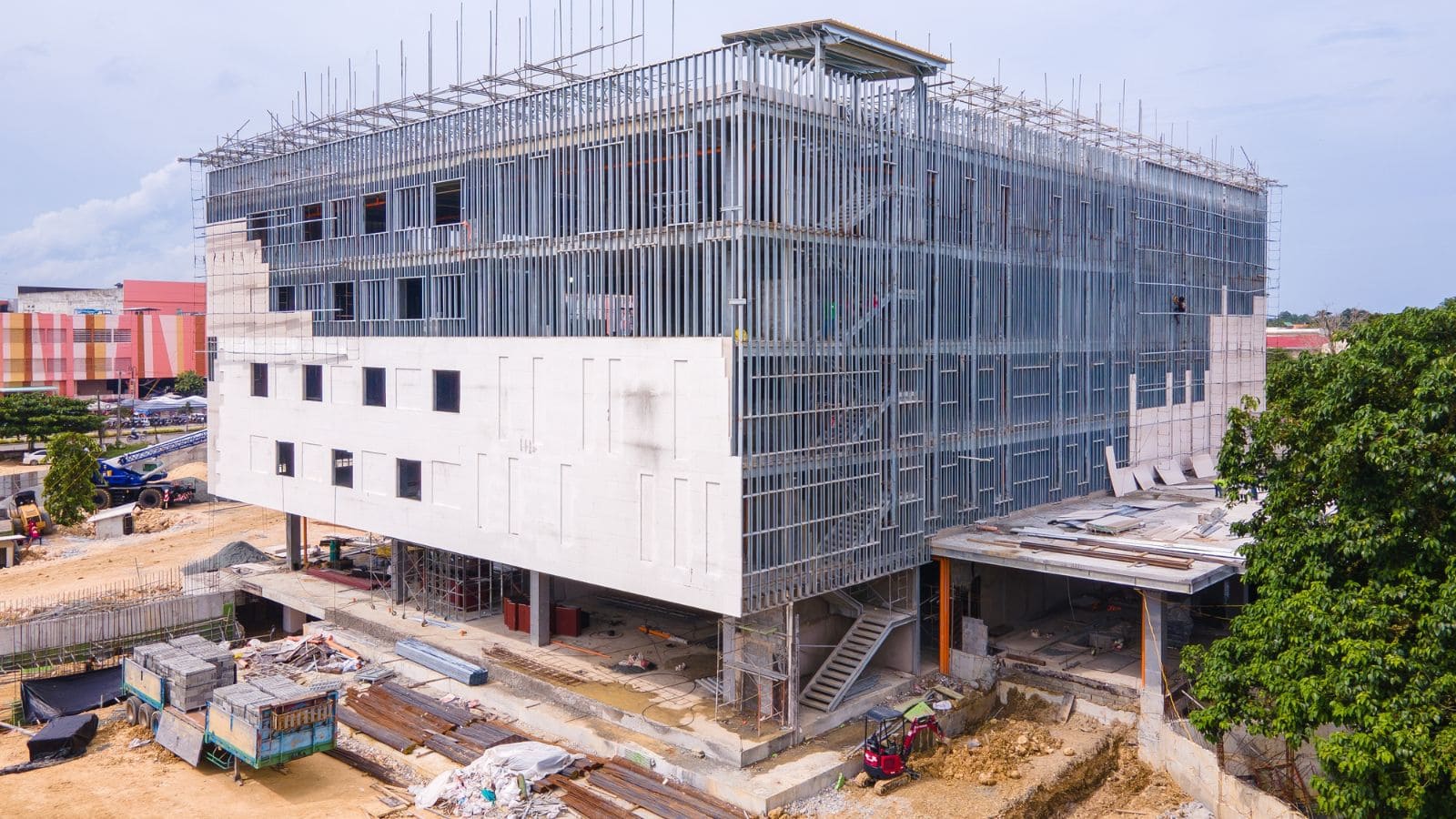
Residential and Commercial Construction
Cold formed steel framing plays a major role in residential construction. Builders use CFS for interior partitions, exterior walls, floor joists, and roof trusses in single-family and multi-family housing.
In commercial construction, contractors use CFS for offices, retail spaces, schools, and healthcare facilities. It works well for:
- Interior nonstructural partitions
- Load-bearing exterior walls
- Floor and roof framing systems
Its lightweight reduces foundation loads, which can lower structural demands in some projects. Crews also handle steel studs quickly with standard tools, which reduces installation time in commercial projects where higher efficiency means an edge over competitors.
Mid-Rise and Modular Building Projects
This system also supports many mid-rise construction projects, typically in the 4- to 10-story range, which is perfect for mid-rise apartments, hotels, student and staff housing. The material’s strength-to-weight ratio allows taller walls without the mass of concrete or masonry. This can simplify transport and lifting on tight urban sites.
In modular construction, manufacturers build volumetric modules in a factory using CFS framing. They then ship these modules to the jobsite for assembly.
Common uses in modular CFS projects include:
- Stacked apartment units
- Hotel guest rooms
- Dormitories and workforce housing
Panelization, Prefabrication, and Offsite Construction
Cold formed steel framing works well with panelization and prefabrication. Manufacturers assemble wall panels, floor cassettes, and roof sections in a controlled facility. They then deliver these components to the site for fast installation.
Panelized CFS systems often include:
| Component | Typical Use |
|---|---|
| Wall panels | Load-bearing and non-load-bearing walls |
| Floor cassettes | Multi-story floor systems |
| Roof trusses or panels | Sloped or flat roof framing |
This approach reduces onsite cutting and material waste. It also limits weather delays, since crews complete much of the framing indoors.
In offsite construction, teams coordinate design, engineering, and manufacturing early in the project. Digital models guide roll-forming machines, which produce studs and tracks to exact lengths. This process supports repeatable results across large CFS projects, including schools, clinics, and mixed-use buildings.
Industry Standards, Sustainability, and Associations
Cold-formed steel framing follows strict building codes and design standards. Industry groups also support green building goals and provide technical guidance for engineers, builders, and code officials.
- Quality and Safety Certifications: CFS manufacturing and execution comply with rigorous international standards. These include ISO 9001 (Quality Management), ISO 45001 (Occupational Health & Safety), ICC-ES evaluations for building code compliance, and European CE and EN 1090 marks.
- Sustainability Frameworks: Environmental responsibility is formalized through ISO 14001 (Environmental Management) and various Green Building Materials product rating certifications, ensuring eco-friendly design, manufacturing, and lifecycle practices.
- Global Industry Associations: A worldwide network of trade associations advocates for CFS market growth, develops technical codes, and provides education. Key organizations include the SFIA (United States), MASFA (US Mid-Atlantic), NASH (Australia & New Zealand), and SASFA (Southern Africa).
Cold-Formed Steel Framing System: A Bright Prospect for Construction
Cold-formed steel (CFS) framing is gaining popularity in construction because it’s strong, lightweight, and installs quickly—ideal for today’s labor shortages and tight schedules.
Technology is driving this growth. Manufacturers now use advanced tools to create precise steel members that fit perfectly with digital building plans, reducing errors and speeding up work.
The industry is also focusing on:
-
Better fire and safety performance
-
Stronger materials
-
More prefabricated panels
-
Clearer sustainability data
With strong industry support and continuous improvements, cold-formed steel framing is well-positioned to meet the future of construction, and it is our duty at Deepblue Smarthouse to deliver the best solutions to you.