What Are Prefab Commercial Buildings?
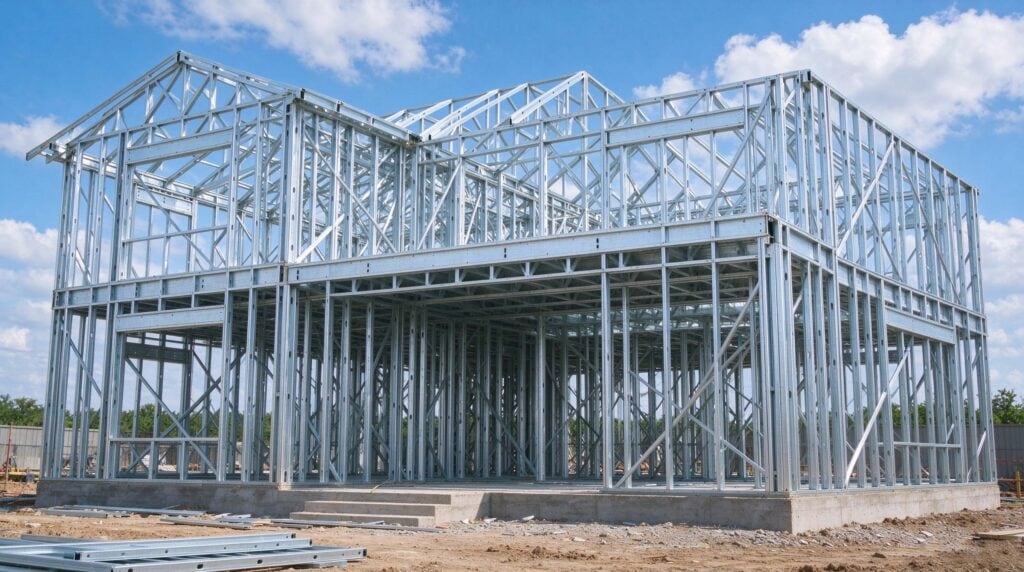
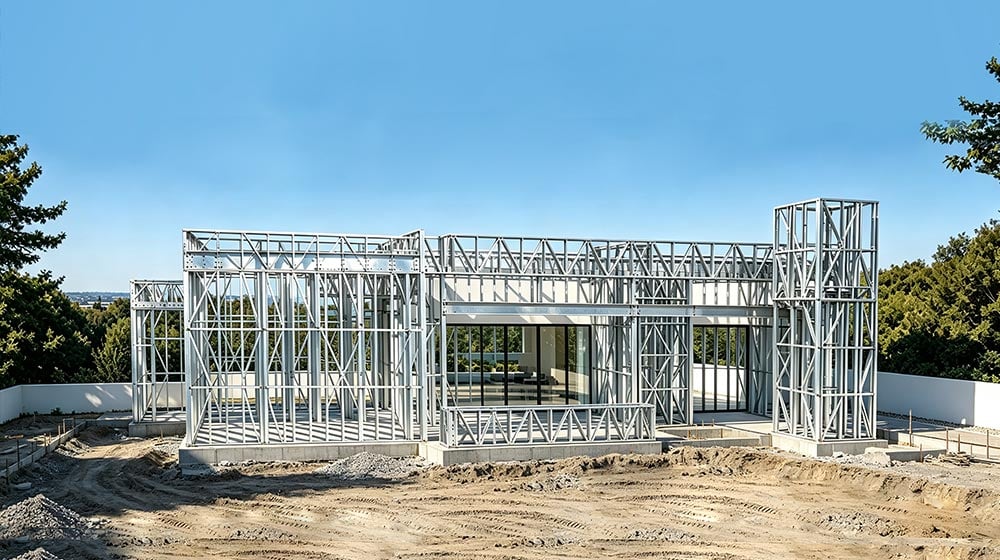
Prefab commercial buildings are commercial structures made from components manufactured off-site and delivered for on-site installation or assembly. Depending on the building system, these components may include complete modules, wall panels, structural frames, bathroom pods, or other pre-engineered elements. In simple terms, a prefab building uses off-site production to improve coordination and delivery efficiency.
One of the main advantages is efficiency. Site preparation and off-site production can often happen at the same time, helping teams improve schedule control, reduce delays, and manage quality throughout the construction process. This is one reason modular construction and modular building construction have become more common across modern commercial applications.
Common Types of Prefab Commercial Buildings
Prefab commercial buildings include several methods, each suited to different budgets, layouts, and operating needs.
Modular Office and Corporate Complexes
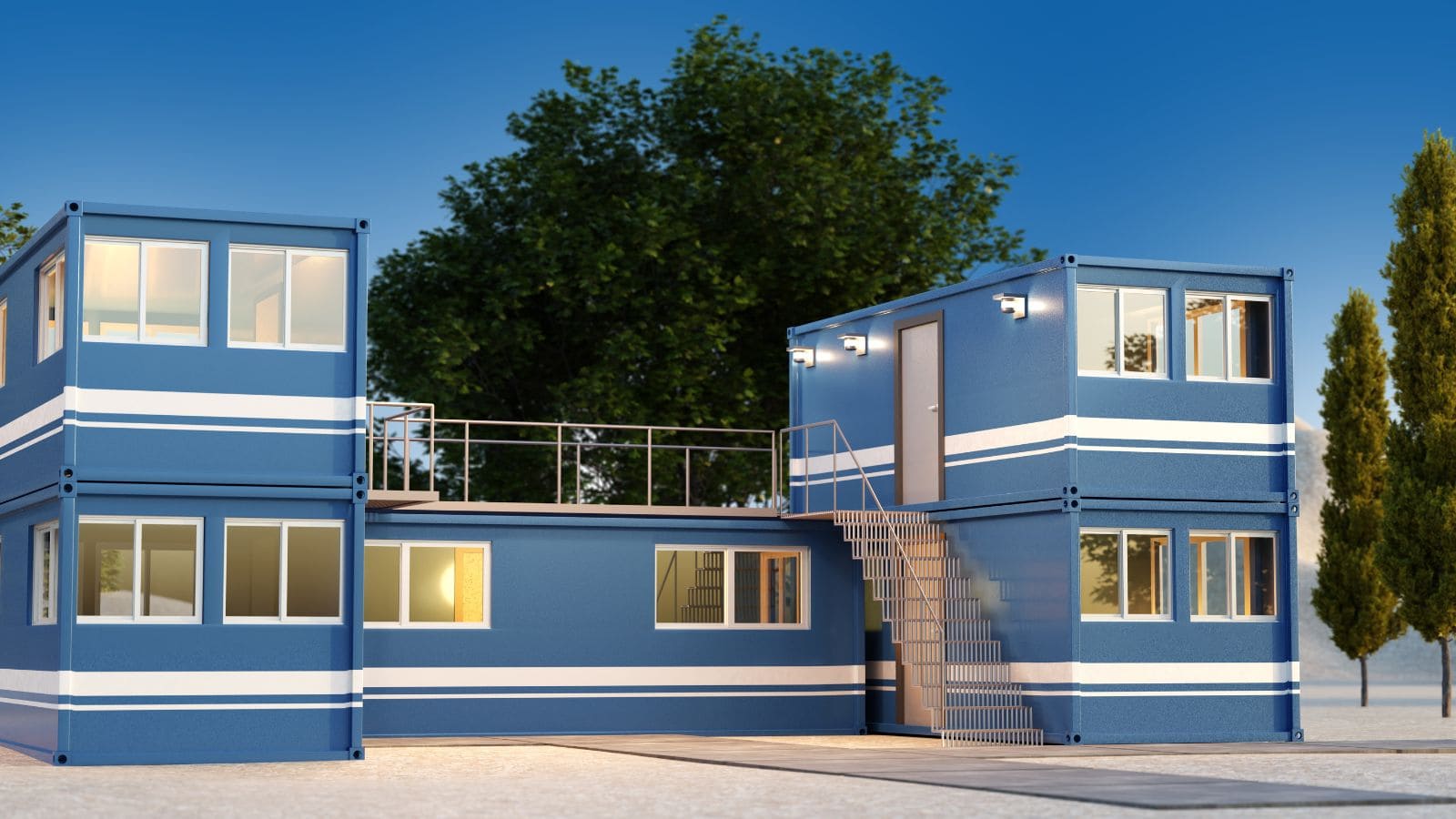
Modular office buildings are built from factory-finished sections transported to the site and assembled into a complete workspace. They can be used as a permanent office building, branch location, temporary project base, or even a mobile office solution when companies need office space quickly.
Because much of the work is completed before delivery, a modular office can reduce on-site disruption and support a more turnkey delivery path. This modular solution is especially effective when layouts are standardized and earlier occupancy has real business value.
- Pre-installed climate control and HVAC systems
- Integrated electrical and data infrastructure
- Interior finishes aligned with operational and branding needs
- Faster installation than many traditional construction approaches
Hotels, Resorts, and Multi-Unit Housing
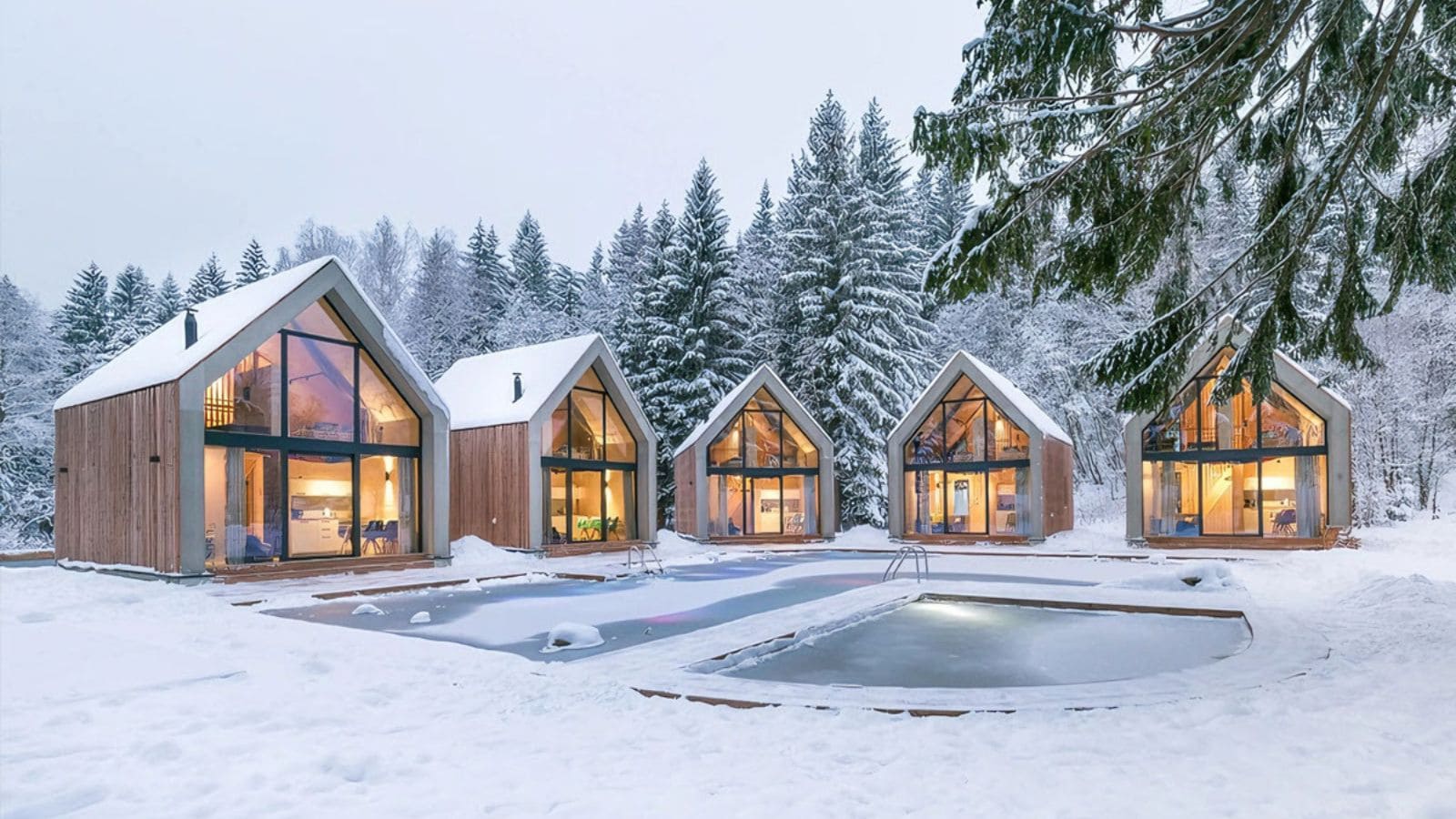
Prefab systems can work well for hotels and resorts, dormitories, serviced apartments, and workforce housing because these projects often rely on repeatable room layouts. In hospitality and multi-unit development, repeatability can improve coordination, consistency, and speed to opening.
Prefab can support both premium and cost-sensitive projects, but it is often most effective where multiple modular units share similar layouts and scope is clearly defined. In these cases, modern modular methods can be a practical alternative to traditional construction.
Retail, Healthcare, and Specialized Facilities
Retail and service-based commercial projects can also benefit from prefab, especially when businesses need repeatable layouts across multiple locations. Healthcare and specialized facilities may be strong candidates as well, particularly when consistent room configurations, local building codes, and controlled production quality are important.
This makes prefab useful for a wide range of commercial applications, from clinics and branch facilities to other building solutions that must balance speed, consistency, and reliable performance.
Modular Building vs. Panelized System: What Is the Difference?
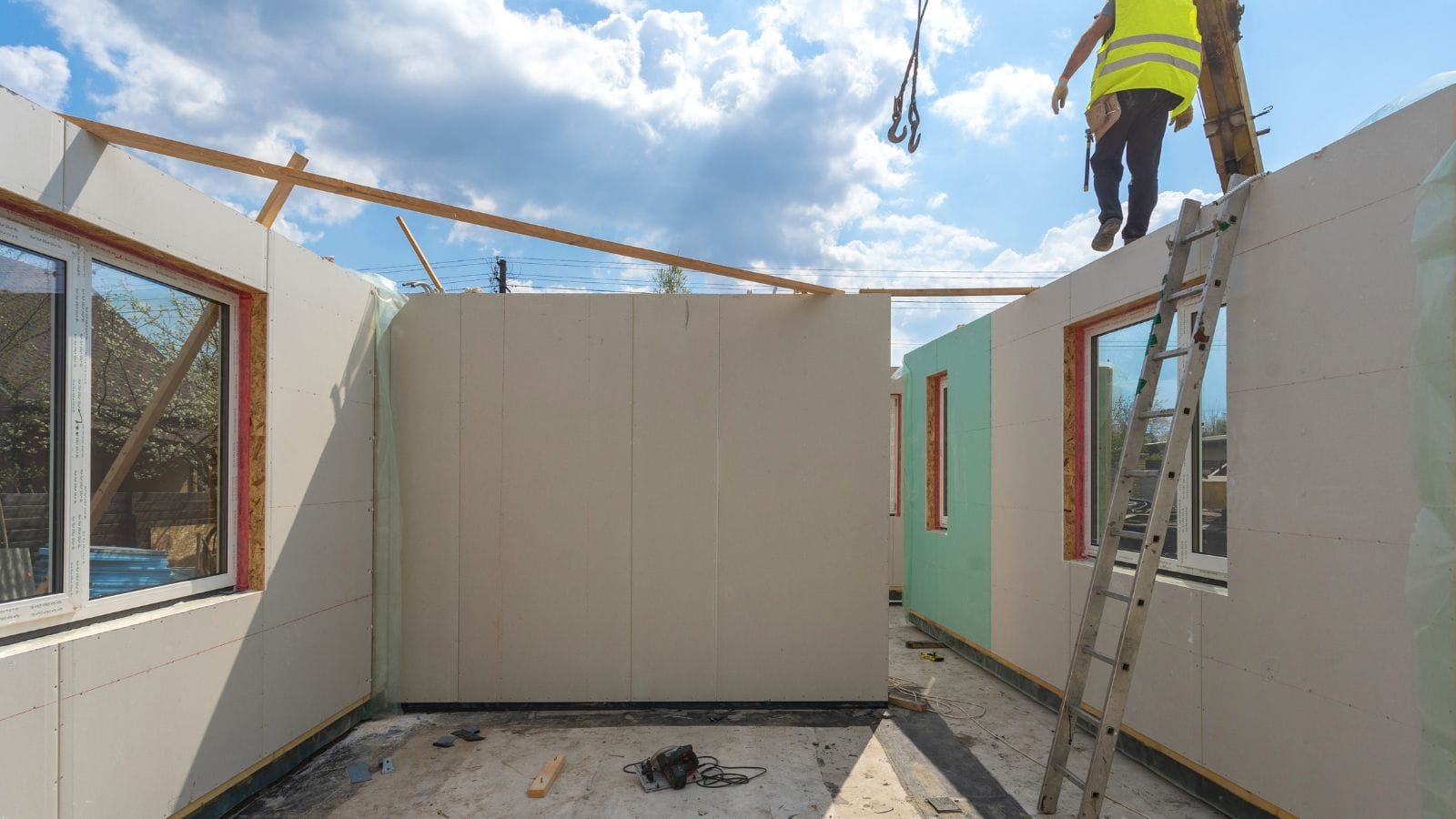
One of the most common sources of confusion is the difference between modular and panelized systems. Both are forms of prefab construction, but they differ in transport, installation, and the amount of work completed before delivery.
- Modular construction delivers larger prefinished sections to the site, which can reduce on-site finishing work but may create more transport limitations.
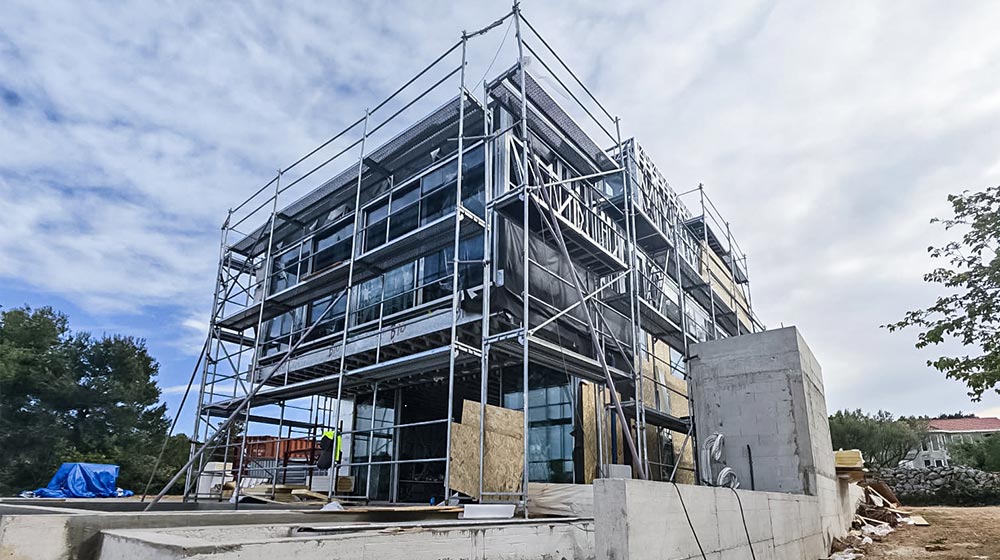
- Panelized construction delivers wall, floor, or roof panels for assembly on-site, often offering better shipping efficiency but requiring more site assembly.
- Light steel framing systems, including Light Gauge Steel (LGS) framing, are commonly used in panelized or hybrid approaches because they combine structural precision with repeatable fabrication.
The right choice depends on your modular design goals, site access, labor availability, transport strategy, and the level of factory completion you want before installation.
Customization Options of Modular Construction
Modern prefab commercial buildings are more flexible than many buyers expect. Layouts, facade materials, interior finishes, and building systems can often be adjusted to match operational needs and brand standards. In other words, teams can customize the space while still following schedule and budget goals.
At the same time, there is a balance to consider. Greater customization is possible, but highly complex one-off designs may reduce some of the efficiency benefits that make prefab attractive in the first place. Depending on the project, developers may also choose specialized assemblies such as a customizable panelized system as part of broader modular building solutions.
What Affects Cost and Project Timeline?
Prefab does not always mean the lowest cost in every line item, but it often improves cost control and schedule predictability. Final cost still depends on design complexity, transportation distance, structural system, local labor rates, permitting requirements, site conditions, utility connections, and finish level.
Projects with repetitive layouts and clear scope often gain the most value from prefab methods. In many cases, the financial benefit comes from reducing delays, minimizing waste, improving production consistency, and creating meaningful cost savings over the full building process rather than just one trade package.
Timeline gains can also be meaningful because site preparation and off-site manufacturing may overlap. Still, actual delivery speed depends on approvals, foundation work, shipping coordination, crane access, and local inspections.
Benefits of Modular Commercial Buildings
- Faster occupancy potential: overlapping site work and off-site production can shorten the path to opening.
- Better budget visibility: factory-based workflows can reduce some uncertainty related to delays, waste, and variable on-site productivity.
- Scalable design: repeatable units and phased expansion strategies can support business growth more efficiently.
- Consistent quality control: controlled manufacturing conditions can support high-quality modular output.
- Reduced site disruption: less on-site fabrication can be valuable in dense, active, or remote locations.
Important Limitations to Consider
- Transport constraints: module size, route access, and delivery conditions affect what is practical.
- Site conditions still matter: difficult foundations, utility work, and challenging terrain can reduce time savings.
- Customization has limits: highly complex one-off designs may reduce the efficiency benefits of standardization.
- Local approvals vary: permitting, code compliance, and inspection requirements differ by region and should be addressed early.
- System choice affects outcome: modular, panelized, and hybrid solutions each involve different tradeoffs in cost, logistics, and assembly time.
Are Modern Prefab Commercial Buildings Right for Your Project?
Prefab commercial buildings are often a strong fit when your project values repeatable layouts, controlled quality, faster occupancy, and efficient rollout across one or more locations. Offices, hospitality projects, clinics, retail branches, and other standardized service buildings are common examples.
They may be a weaker fit when a project involves unusually complex geometry, highly customized detailing, constrained transport routes, or difficult site conditions. The best approach is to evaluate prefab not as a universal replacement for site built construction, but as a delivery strategy that works best under the right project conditions.
FAQ About Prefab Commercial Buildings
Are prefab commercial buildings cheaper than traditional buildings?
Not always in every line item, but they can offer better overall cost efficiency when reduced delays, lower waste, and faster occupancy matter to the project.
What is the difference between modular and panelized construction?
Modular systems deliver larger prefinished sections, while panelized systems deliver components for on-site assembly. The right choice depends on design, logistics, and labor considerations.
Are prefab commercial buildings suitable for multi-story projects?
Many are, provided the structural system and local code requirements support the intended height and use.
The Next Step for Commercial Developers
If you are evaluating prefab for an office, hospitality, retail, healthcare, or multi-unit project, compare systems based on layout efficiency, transport strategy, local approvals, and total delivery requirements.
DeepBlue SmartHouse focuses on commercial building solutions based on light gauge steel framing and panelized systems for global projects. If you want to assess whether this approach fits your development goals, you can contact the DeepBlue SmartHouse engineering team to discuss project requirements, system options, and delivery considerations.