Across the coastlines around the globe, project developers and individual homebuyers are facing a critical reality: extreme weather is becoming more frequent and significantly more intense.
This reality has led to a massive surge in interest for prefab homes specifically engineered for extreme weather and high wind loads. By combining the precision of off-site manufacturing with the unparalleled strength of steel, hurricane-resistant prefab homes offer safety and durability without compromising on architectural beauty.
The Prefab Advantage for Coastal Sites
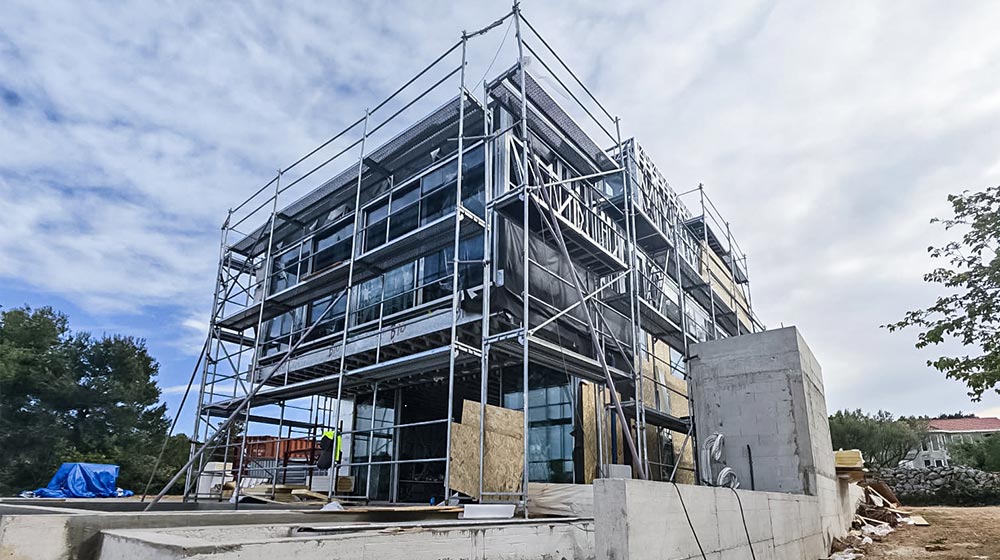
Traditionally, building on the coast presents unique logistical nightmares, because weather delays, high labor costs, difficult site access, and material degradation are constant. Prefabrication solves these issues entirely by shifting 70% to 80% of the construction process to a highly controlled factory environment.
Choosing a prefab home offers distinct logistical advantages:
- 100% Weather-Protected Construction: Materials are never exposed to rain or salt spray before they are sealed within the structure.
- Rigorous Quality Control: Multiple quality assurance inspections take place at every station of the assembly line, ensuring code compliance before the home ships.
- Accelerated “Dry-in” Times: When modules or panelized kits arrive at your site, the building is weather-tight in a fraction of the time it takes to build traditionally, reducing exposure risks.
Why Choose Light Gauge Steel (LGS) as Building Material
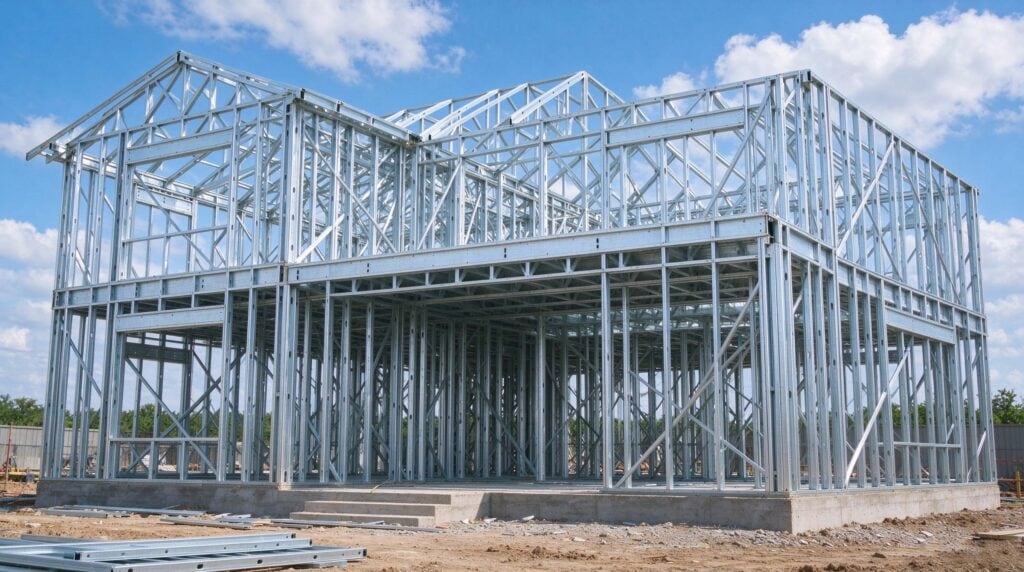
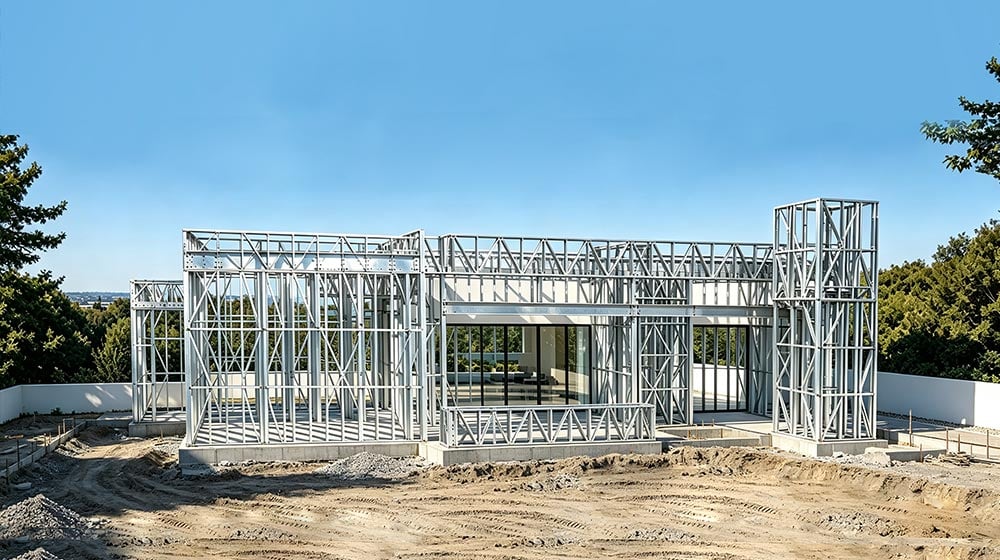
Different building methods respond to wind loads and environmental stressors in distinct ways. In high-wind environments, light gauge steel stands out as the ultimate structural skeleton.
These steel frames are cold-formed from high-tensile, galvanized steel coils. This highly controlled process creates structural panels, joists, and trusses that resist racking, uplift, and compression with unparalleled efficiency.
The table below illustrates why steel is rapidly replacing wood in hurricane-prone regions:
| Feature | Light Gauge Steel (LGS) | Traditional Timber (Wood) |
|---|---|---|
| Moisture & Humidity | 100% inorganic. Does not absorb moisture, warp, swell, or rot. | Absorbs ambient coastal moisture, leading to warping and rot over time. |
| Pest Resistance | Impervious to termites, carpenter ants, and other wood-destroying pests. | A primary food source for termites, which thrive in warm coastal climates. |
| Connection Strength | Screwed and bolted connections remain rigid indefinitely. | Nails can loosen or pull out over time as the wood expands and contracts. |
| Manufacturing Precision | Factory-rolled to sub-millimeter tolerances (under 0.01 mm). | Cut on-site, heavily reliant on the varying skill levels of local labor. |
| Fire Safety | Non-combustible material; does not add fuel to structural fires. | Highly combustible, increasing secondary risks after storm damage. |
3 Key Design Features for Hurricane Resistant Modular Home
While light gauge steel provides the skeleton, structural materials alone do not determine the complete storm performance of a building, as true resilience is a holistic approach that mainly covers three aspects.
Resilient and Aerodynamic Roof Geometry
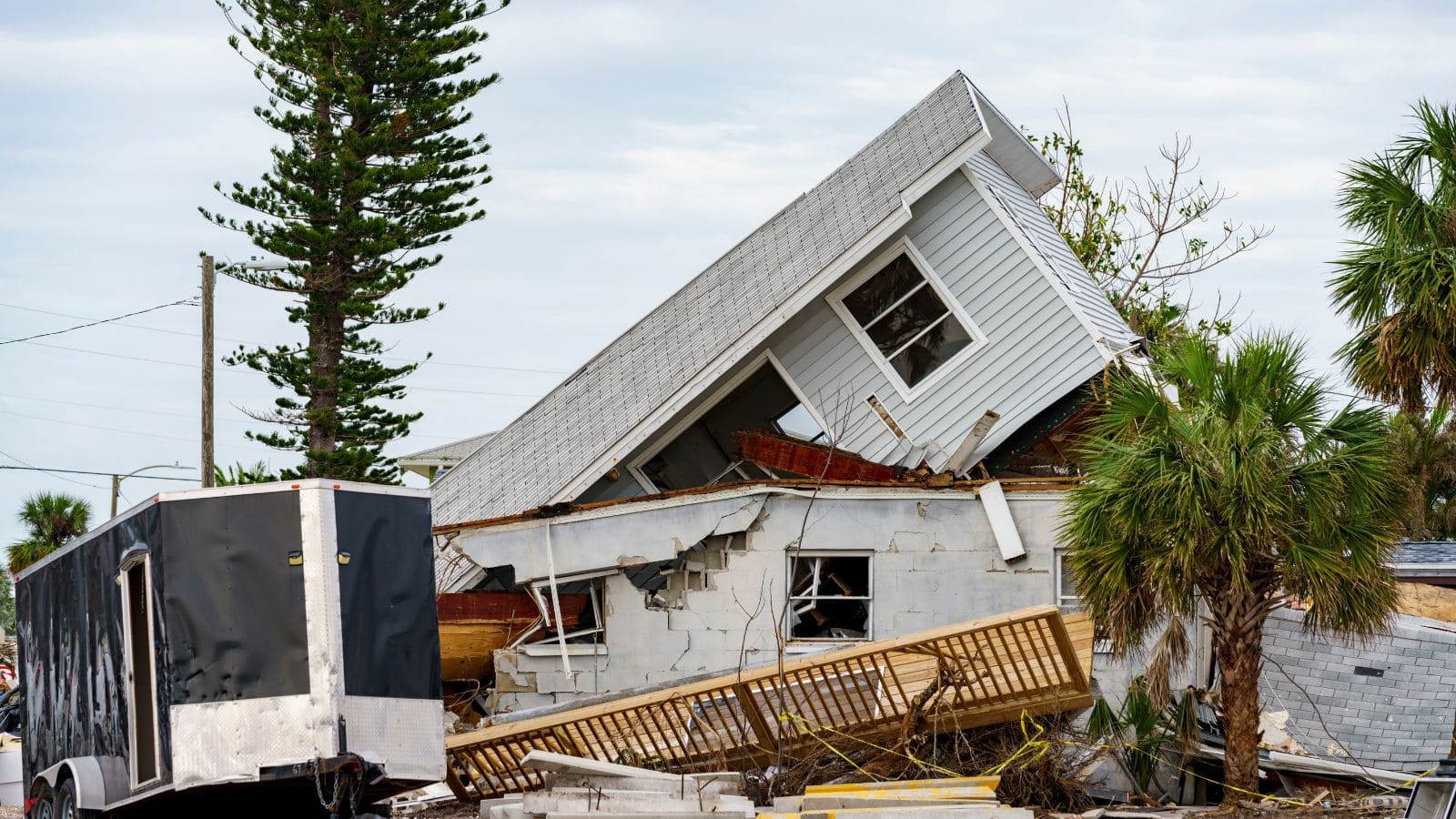
In a hurricane, the wind doesn’t just push against the side of a house; it creates massive aerodynamic lift over the roof. It attempts to suck the roof off the building (uplift), push the walls over (racking), and flip the entire structure (overturning).
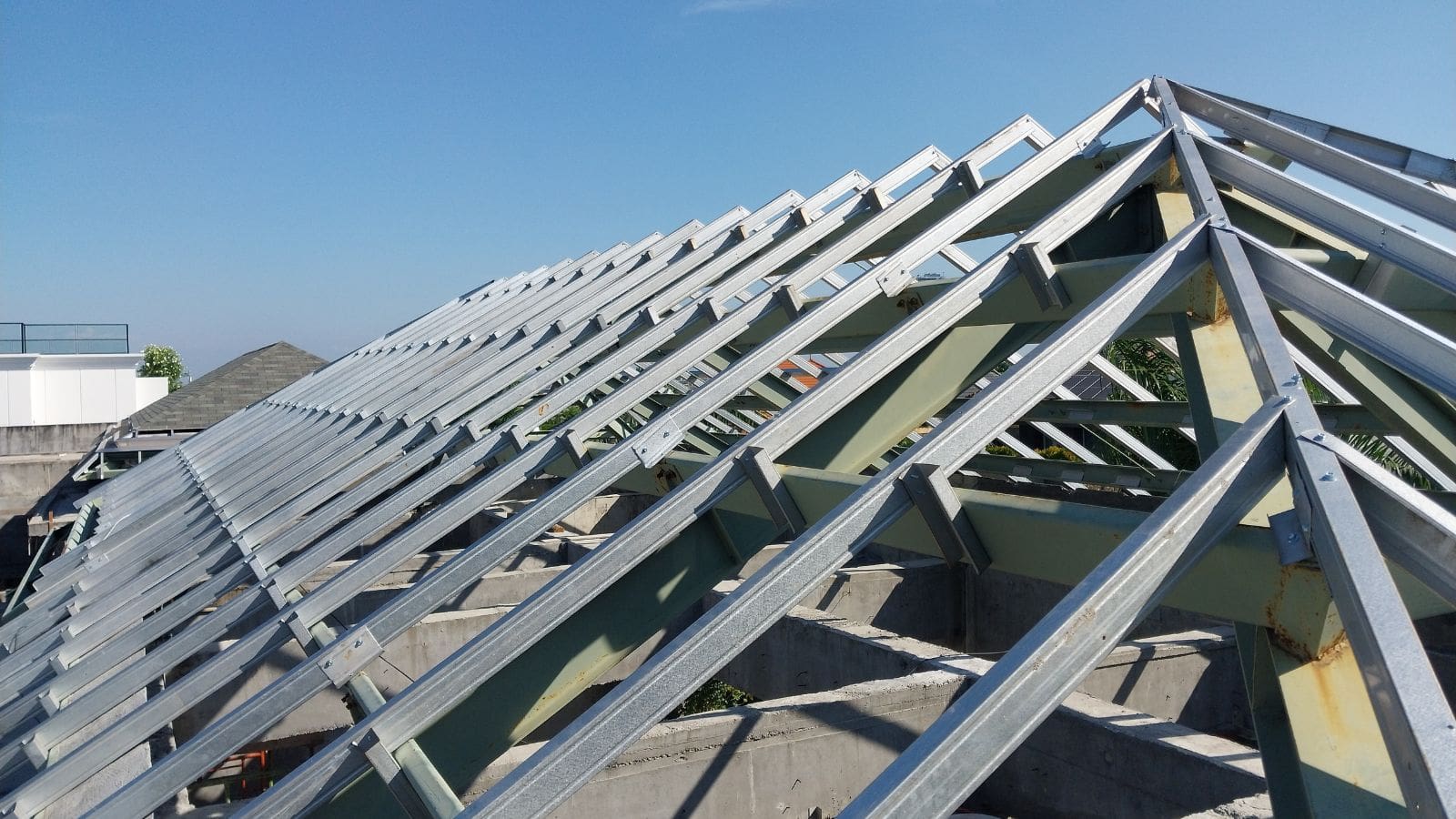
To survive this, a hurricane resistant prefab house must have a strong, unbroken mechanical connection tying the roof to the walls, and the walls directly to the foundation. In our DEEPBLUE designs, we combat such force using heavy-duty metal roof trusses that are firmly attached to the wall frames using engineered anchor bolts.
Furthermore, roof geometry plays a massive role. Hip roofs (which slope downward on all four sides) are significantly more aerodynamic than traditional gable roofs. A properly pitched hip roof allows extreme winds to glide over the structure, drastically reducing the total wind load applied to the framing.
Airtight and Watertight Envelopes
A hurricane is a dual-threat event: destructive winds and pouring rain. Pressure differentials between the inside of the home and the outside storm can cause structural failures in homes that are not designed to withstand hurricane conditions. If this happens, pressurized air would rush in, potentially tearing up the house from the inside out.
Modern modular construction excels in creating airtight and watertight envelopes, which are essential for hurricane-resistant homes. Building in a climate-controlled factory ensures that advanced vapor barriers, specialized sealants, and high-performance insulation are applied accordingly.
This sealing limits pathways for pressurized air and prevents the intrusion of wind-driven rain, which is often the cause of severe secondary damage like toxic mold growth in homes afterwards.
Impact-Resistant Windows and Doors
Windows and doors are the most vulnerable points of any building during a storm. If a window shatters from flying debris, the sudden influx of hurricane-force wind creates internal pressurization that can cause catastrophic failure.
Our coastal homes utilize premium impact-resistant glazing, featuring the following critical components:
- Laminated safety glass: Features a reinforced double layer glass. Even if the outer glass shatters, the interlayer holds the broken pieces securely in the frame.
- Multi-point locking systems: Ensures doors remain rigidly closed against extreme negative pressures.
- Reinforced structural frames: Steel or heavy-duty aluminum frames that resist bending and blowouts.
The Financial Advantage of Hurricane-proof Prefab Home
When evaluating the cost of a coastal home, it is crucial to look beyond the initial construction price and consider the long-term Return on Investment (ROI). While engineering a home to hurricane-proof standards represents a premium investment upfront, it offers significant financial benefits over the lifespan of the property.
- Zero Termite and Rot Maintenance: With light gauge steel, you eliminate the recurring costs associated with termite treatments, wood rot repair, and moisture damage, which are expenses that constantly plague traditional coastal homeowners.
- Minimizing Disaster Recovery Costs: After a major storm, the cost of rebuilding, temporary housing, and replacing water-damaged interiors can be financially devastating. A resilient prefab home is designed to weather the storm intact, saving you from heavy repair bills and preserving the property’s resale value.
Contact Deepblue Smarthouse for Your Hurricane Ready Coastal Construction
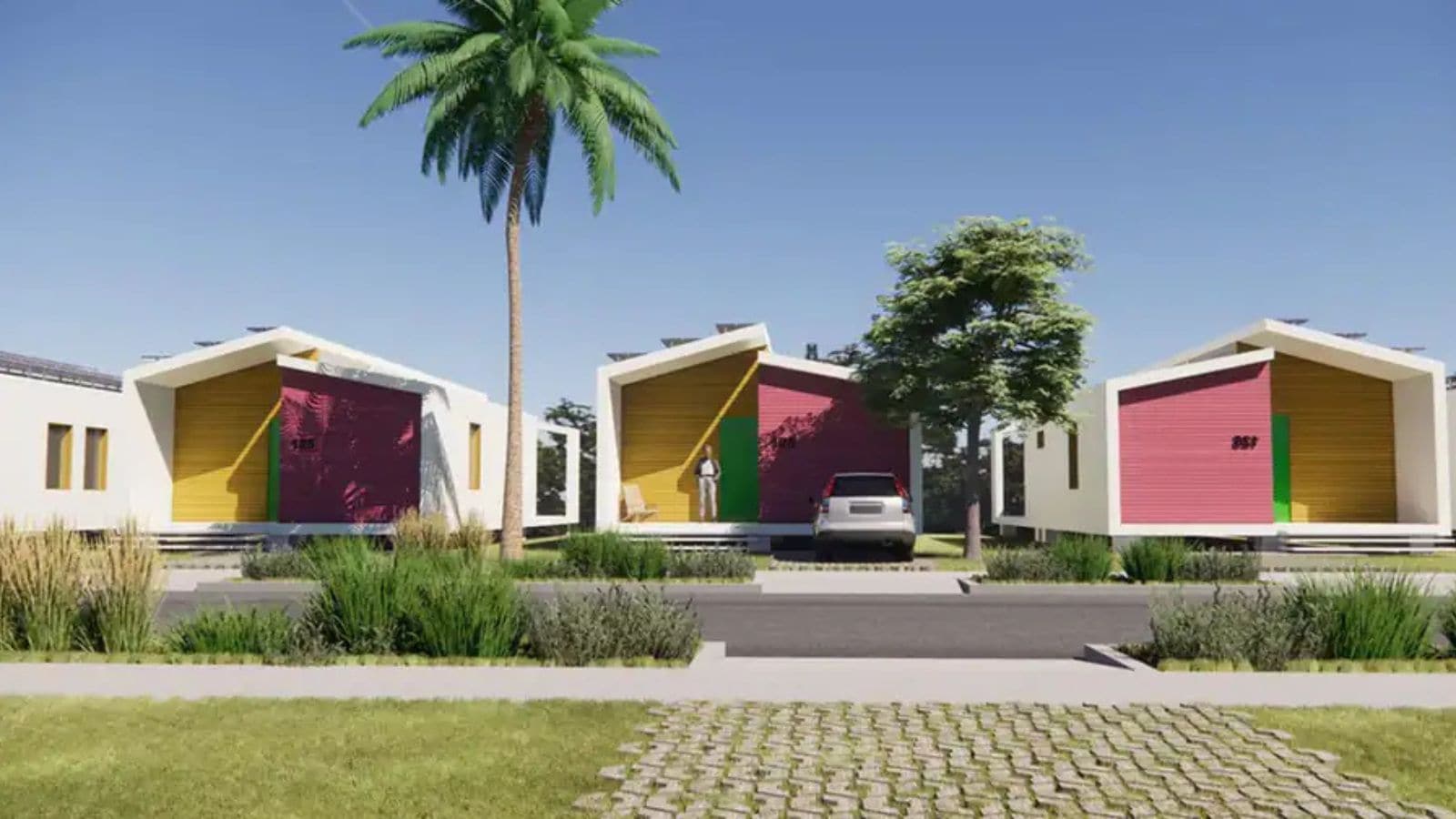
As a global, one-stop provider of advanced LGS housing solutions, DEEPBLUE SMARTHOUSE handles the architectural design, structural engineering, and precision manufacturing within a single, streamlined system.
Don’t leave your coastal investment to chance. Protect your family and your property with our hurricane resistant homes.
Ready to build your hurricane-proof dream home? Contact DEEPBLUE SMARTHOUSE today for a customized quote, floor plan consultation, and engineering assessment.
Frequently Asked Questions (FAQ)
How long does it take to build and install?
One of the greatest benefits of prefab is the concurrent timeline. While your local contractors are preparing the site and pouring the foundation, your home is simultaneously being manufactured in our factory.
Production typically takes 8 to 20 weeks. Once the home arrives on site, the precision-engineered LGS panels or modules allow for rapid assembly. A home that might take 12 months to build traditionally can often be completed in 4 to 6 months total with prefabrication.
Can these homes be built on elevated foundations in flood zones?
Absolutely. Coastal sites frequently require homes to be elevated above the Base Flood Elevation (BFE) to protect against storm surges and rising tides.
The lightweight yet incredibly strong nature of our light gauge steel structures makes them the perfect candidate for specialized coastal foundations, including driven wooden piles, concrete piers, or pedestal systems. This allows the devastating force of a storm surge to pass safely beneath the living space.