Many people ask if modular homes can stand up to a tornado, because this is one of the major concerns for both commercial and residential modular projects in a storm-prone area (like the “Tornado Alley” in the central US).
Here we will give you a concise and honest answer: Modular homes can be safe in a tornado when they meet modern building codes, use strong materials, and sit on a secure foundation, but no standard home can survive a direct hit from the most violent tornadoes.
But what exactly are the materials and construction methods used to ensure modular homes stand against tornadoes, and where is the limit? This blog will answer your questions.
What Hazards Do Modular Homes Encounter in Tornadoes
Modular homes can handle many tornado conditions when builders design and install them correctly. Their safety depends on how they deal with the two major threats: wind strength and flying debris.

High Speed Wind
Tornadoes often exert extreme speed winds, sudden pressure changes, or strong rotating forces on the structures. No standard home, modular or site-built, can guarantee survival in a direct hit from a powerful EF4 or EF5 tornado. Because winds in these storms can exceed 200 mph. At that level, most residential structures face major damage.
Modular homes perform better in weaker tornadoes and along the outer edges of stronger storms. In these areas, wind speeds are lower and more consistent. Proper anchoring to a permanent foundation can help homes withstand tornado safety.
Flying Debris
Flying debris causes much of the damage in tornadoes. High winds turn wood, metal, and glass into fast-moving projectiles.
Exterior walls in modular homes often use tightly fastened sheathing installed in dry factory conditions. This reduces gaps and weak points. Strong attachment between wall panels and framing helps limit structural failure when debris strikes.
Windows and doors remain the most vulnerable parts of any home. Broken glass can allow wind to enter and increase internal pressure. Builders can reduce this risk by installing:
- Impact-resistant windows
- Reinforced exterior doors
- Properly rated garage doors
Even with strong wind resistance, debris can still break openings. Homeowners in tornado-prone areas should plan for safe shelter, such as a basement or approved storm room, to improve tornado safety during severe weather.
Building Codes: How Modular Homes Differ From Manufactured Homes & Mobile Homes
Unlike mobile homes, modular homes must meet the same state and local building codes as site-built homes. Most states base their rules on safety standards such as the International Building Code (IBC) or the International Residential Code (IRC).
These codes set clear wind design standards. In many hurricane-prone areas, homes must resist sustained winds of 130 to 150 mph, depending on location and exposure.
Local building codes can raise these requirements. Coastal or high-wind regions may require engineering for wind gusts up to 180–190 mph in certain zones. Engineers calculate wind loads based on roof shape, wall height, and site exposure.
In short, the main difference is that modular homes are regulated like permanent buildings, while manufactured homes and older mobile homes follow a separate federal standard. This means modular homes typically comply with the same local structural, wind, and foundation requirements as site-built homes in the area.
Storm Resistance Features of Modular Homes
Strong anchoring, reinforced framing, and durable exterior components all shape how a modular home performs in a tornado. Builders design these systems to manage wind uplift, lateral force, and flying debris without relying on a single feature alone.
Anchoring Systems and Tie-Downs
An effective anchoring system keeps the home attached to its foundation during high winds. In tornado conditions, uplift forces can try to lift the roof and pull the structure apart from the ground up.
Most modular homes sit on permanent foundations made of reinforced concrete. Installers use anchor bolts, steel brackets, and heavy-duty tie-downs to connect the floor system to the foundation. These parts create a continuous load path that moves wind forces from the roof and walls down into the ground.
Key parts of anchoring systems often include:
- Embedded anchor bolts set in reinforced concrete
- Steel straps that connect wall framing to the floor system
- Tie-downs that resist uplift and sliding
Reinforced Cold Formed Steel Materials
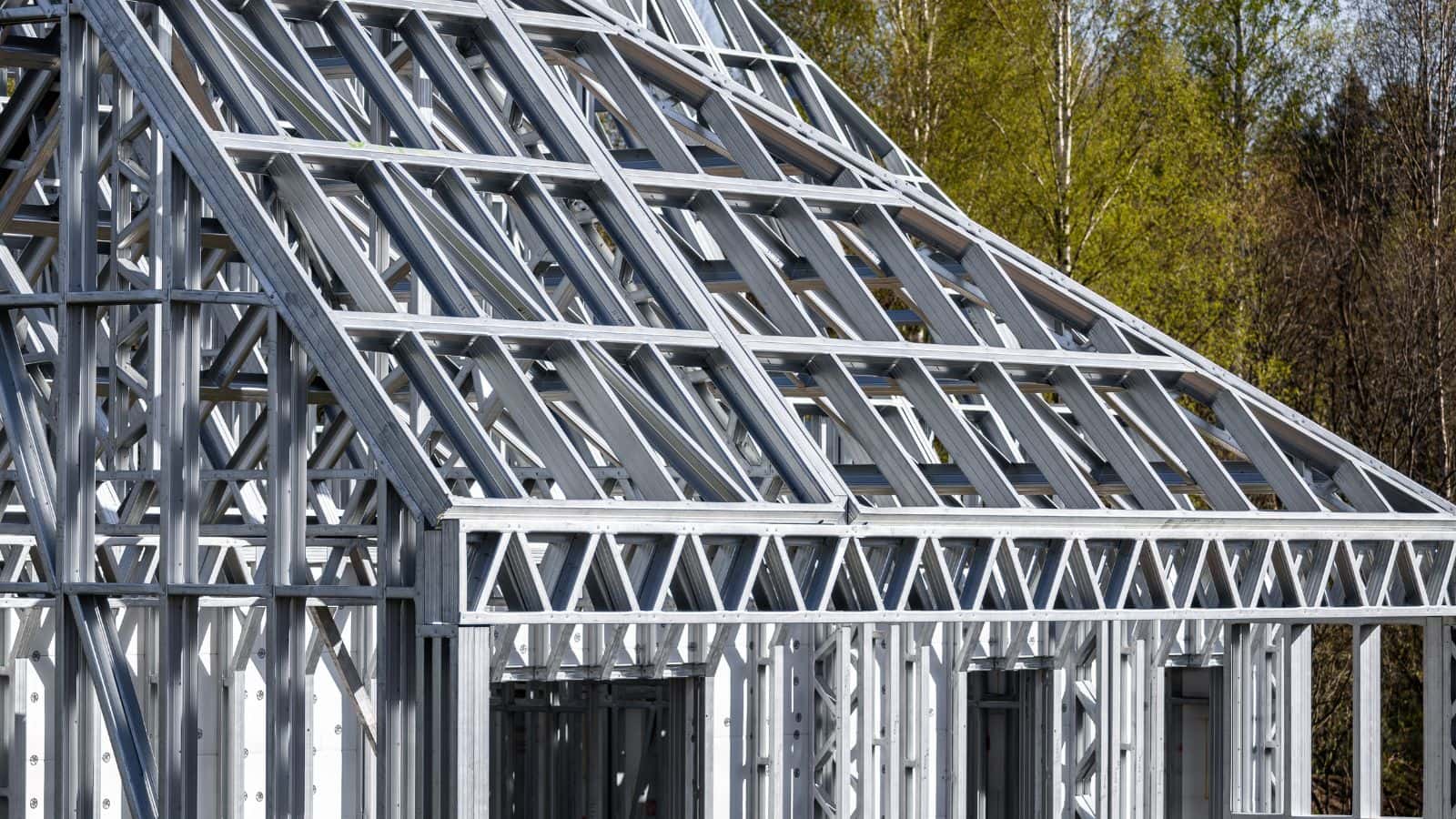
Modular homes rely on cold formed or light gauge steel framing to handle transport stress and maintain structural integrity. Because each module must survive lifting and highway travel, manufacturers often build the frame with extra bracing and tight connections.
The frame components are secured with screws, bolts, and structural adhesives. This method can create stronger connections than basic nailing alone.
Roof trusses also play a central role. Workers anchor trusses to wall framing with metal straps to reduce the risk of separation under uplift. Strong framing does not make a home immune to the strongest tornados, but it can improve performance in lower-intensity events and outer wind bands.
Impact-Resistant Windows and Roof Systems
Broken windows allow wind to enter the home, which can increase internal pressure and stress the roof. That is why many modular homes offer impact-resistant windows with laminated glass. This glass may crack under impact, but it often stays in place and reduces sudden pressure changes inside the home.
The roof system also needs careful design. Builders secure roof sheathing with specific fastening schedules to improve resistance to uplift. They attach roof trusses with metal connectors and reinforce roof edges, where wind forces tend to be strongest.
A storm-resistant roof system often includes:
- Closely spaced fasteners in roof sheathing
- Hurricane clips at truss-to-wall connections
- Durable shingles or metal roofing rated for high winds
Together, these features help the home resist wind entry, limit structural separation, and manage debris impact during severe storms.
Permanent Foundation
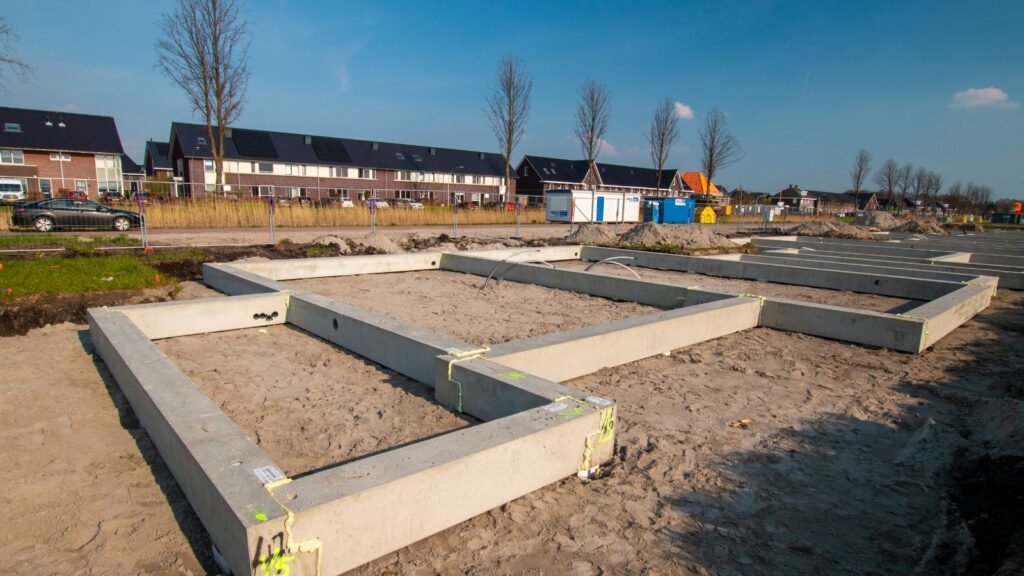
A modular home must sit on a permanent foundation, such as a full basement, crawl space, or slab. Builders anchor the home to that foundation with engineered bolts, straps, and metal connectors designed to resist uplift and lateral wind forces.
High winds try to lift the roof and push the walls sideways. The foundation must transfer those forces into the ground through a continuous load path. If any link fails, the structure can shift or separate.
Homes on pier-and-beam systems often fail when they slide off supports due to weak anchoring. This risk applies to site-built and factory-built homes alike. Properly installed anchor bolts and tie-down systems reduce that risk.
Enhancing Storm Resistance in Modular Projects
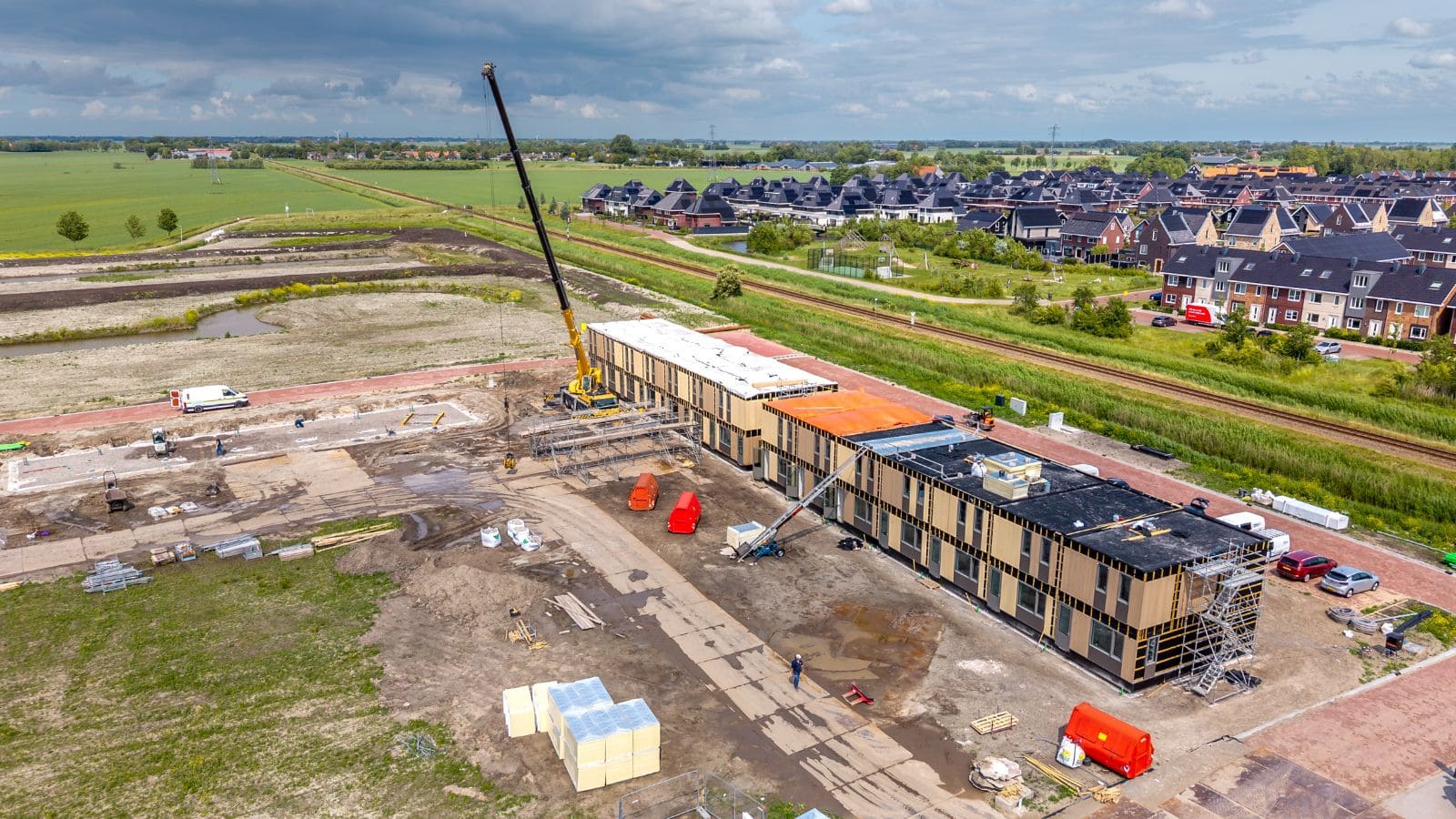
Storm resistance is less about day-to-day emergency preparation and more about making the right design and specification decisions before production begins. In tornado-prone and high-wind regions, modular projects can be strengthened through targeted upgrades.
Standard modular construction can already meet local code, but some projects require stronger wind-resistance measures based on site conditions and end use. In these cases, buyers may choose enhanced structural features such as reinforced roof-to-wall connections, stronger anchoring systems, impact-resistant openings, and upgraded roof assemblies.
Plan According to Specific Project Requirements
For commercial developers, builders, and procurement teams, the key question is whether added protection is appropriate for the site location, intended use, and overall risk profile.
The focus should be on whether the supplier can adapt the design to local wind conditions and project requirements. A modular solution is more valuable when it is engineered for the actual site rather than offered as a one-size-fits-all product.
For some commercial, workforce housing, or community-scale developments, storm resistance may also involve broader planning beyond the structure itself. This can include protected shelter areas, coordination with site planning requirements, and alignment with local emergency and resilience standards.
Frequently Asked Questions
Are modular homes stronger than mobile homes in severe storms?
Yes, in most cases modular homes are stronger than mobile homes and older manufactured homes in severe storms. Modular homes must meet the same state and local building codes as site-built homes, including structural and wind-load requirements. Mobile homes and many older manufactured homes follow different standards, which often makes modular homes a safer option in tornado-prone areas.
Should modular home owners still have a storm shelter?
Yes. Even a well-engineered modular home should be paired with a storm safety plan. In tornado-prone areas, homeowners and developers should consider a basement, safe room, or approved storm shelter. Structural upgrades improve resilience, but a protected shelter area offers the best life-safety protection during the most violent tornadoes.
How does quality control improve the storm safety of modular homes?
Quality control can improve storm safety because modular homes are typically built in a controlled factory setting where teams inspect materials, workmanship, and connections at multiple stages of production.
Factory-based construction also helps protect materials from weather exposure during the build and supports more consistent assembly, documentation, testing, and correction of defects before the modules reach the site.
On top of factory checks, modular projects are still subject to code compliance, inspections, and foundation review before and during installation, which helps confirm that the finished home meets required structural standards.