The debate between manufactured homes vs modular homes comes up constantly among buyers in both commercial and residential projects.
Both types of housing can look nearly identical to a conventional house once finished. Yet the way each one is produced, regulated, financed, transported, and valued over time differs in ways that directly affect the long-term plans.
Our guide on this topic will break down each difference in plain terms so you can compare and choose them with confidence, whether the priority is affordability, appreciation, customization, or all three.
Quick Answer: Main Differences Between Modular and Manufactured Homes
Both modular and manufactured homes are factory-built and usually more convenient than traditional stick-built home, but they differ in many other aspects.
| Feature | Modular Home | Manufactured Home |
|---|---|---|
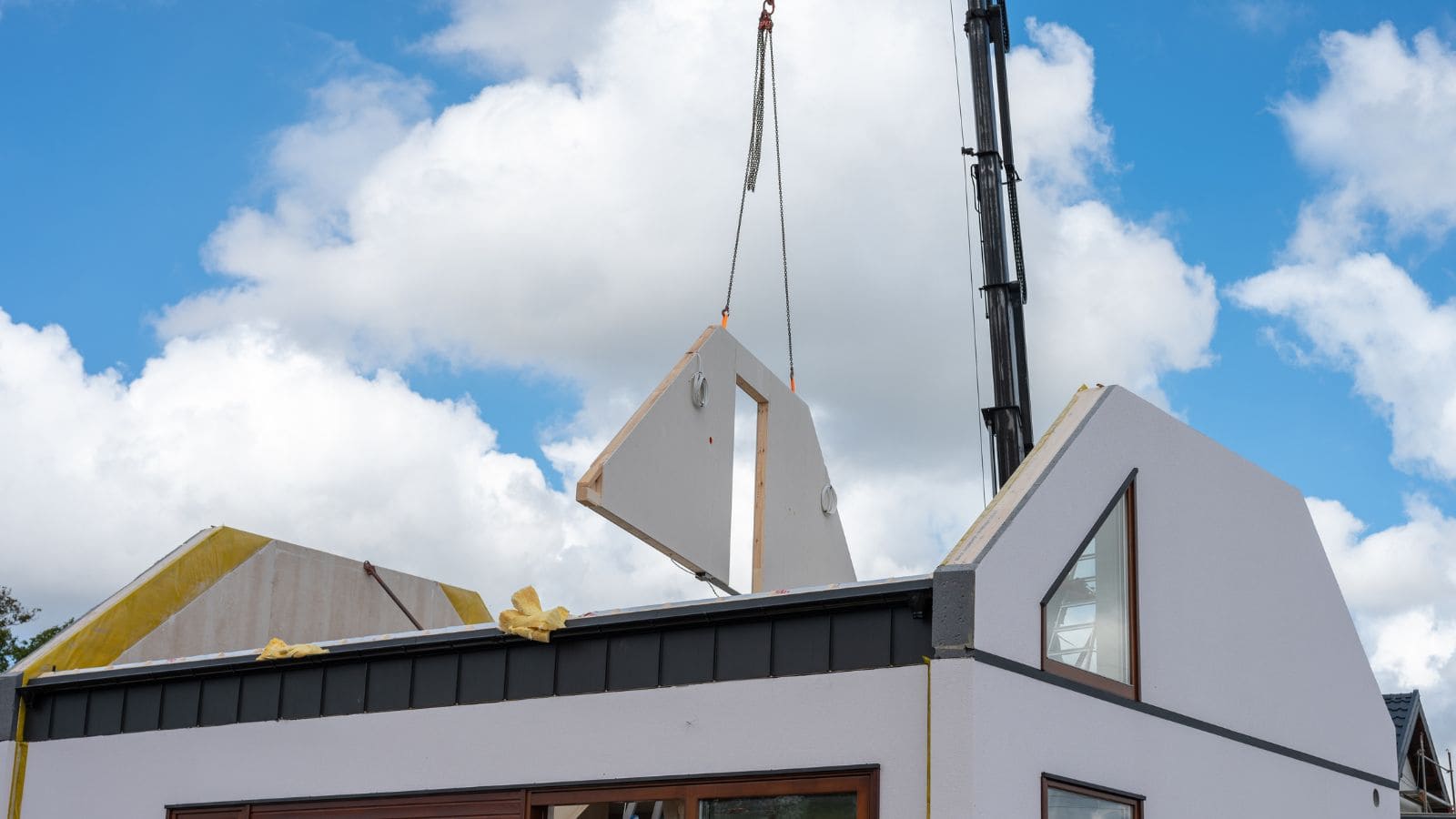
| How it is built | Built in sections, or modules, in a factory, then transported and assembled on-site. | Built almost entirely in a factory and delivered to the homesite as a completed unit or large sections. |
| Building code | Must meet the same state and local building codes as site-built homes. | Built to the federal HUD Code for manufactured housing. |
| Property type | Usually treated as real estate once installed, similar to a site-built home. | May be treated as personal property unless permanently affixed and converted to real property under local rules. |
| Customization | Generally offers more flexibility in layout, finishes, and design. | Usually offers fewer structural customization options, though finishes and upgrades are still available. |
| Long-term value | More likely to track site-built home values in the local market. | Value can vary more depending on land ownership, foundation type, and local demand |
Construction Standards, Codes, and Foundations
The building code a home follows determines its foundation requirements, inspection process, and how lenders classify the property. HUD code and state or local building codes are not interchangeable, and the distinction between a steel chassis and a permanent foundation affects nearly every financial decision tied to the home.
Building Code Requirements
Manufactured homes are built to the HUD Manufactured Home Construction and Safety Standards (HUD Code). These standards set minimum requirements for design, construction, fire safety, energy efficiency, and transportation.
Modular homes must comply with the International Residential Code (IRC) or the state and local building codes in the area where the home will be installed.
This means a modular home is held to similar structural, electrical, plumbing, and energy standards as a site-built home in the same neighborhood. It can also mean the permitting and inspection process is more like what a traditional new-build house goes through and may take a bit longer than for a manufactured home.
Steel Chassis and Foundation Options
Manufactured homes are built on a permanent steel chassis that remains with the home after delivery. That chassis supports several installation types, including pier-and-beam systems, slabs, crawl spaces, and certain permanent foundations.
Modular homes are not built on a permanent chassis. Instead, their sections are transported to your site and assembled on a permanent foundation such as a slab, crawl space, or basement, similar to a site-built house.
For buyers, the main takeaway is that modular homes are almost always placed on permanent foundations, while manufactured homes have more variations depending on how and where they are installed.
Financing and Long-Term Value of Modular and Manufactured Homes

Financing and Loan Options
Modular homes usually qualify for traditional mortgage financing because they are placed on a permanent foundation and generally treated as real estate, much like a conventional home.
Manufactured homes can qualify for a traditional mortgage too, but this is more likely when:
- The home is permanently affixed to the land.
- The buyer owns the land beneath the home.
- Local rules allow it to be classified as real property.
If a manufactured home is not attached to land you own, it is often financed with a chattel loan rather than a standard mortgage. A chattel loan covers the home itself but not the land and typically comes with higher interest rates, shorter loan terms, and fewer long-term equity benefits.
A simple way to think about it:
- Modular homes often follow a more straightforward path to standard mortgage financing.
- Manufactured homes become much more attractive financially when they are placed on a permanent foundation on land you own.
Differences in Appraisal and Long-Term Value
Because modular homes follow state and local building codes and sit on permanent foundations, they are often appraised similarly to site-built homes.
In many markets, modular homes tend to appreciate in line with local real estate values. Buyers and sellers benefit from a larger pool of comparable sales, which can make pricing more predictable.
A manufactured home on owned land with a permanent foundation has the best chance of holding or gaining value over time, especially in a healthy local market and when the home is well maintained.
By contrast, a manufactured home on leased land or one that remains classified as personal property is more likely to depreciate. Many lenders, appraisers, and future buyers view it more like a movable asset than a permanent piece of real estate, which can affect demand and resale price. The condition of the home, the appeal of the community, and broader market trends all play a role.
[Actual financing options, costs, and long-term value can vary significantly based on location, land ownership, lender requirements, and market conditions. For detailed information, it is advised to consult authorities and legal personnel]
Differences in Design, Customization, and Energy Performance
Both home types offer more design flexibility than many buyers expect. The degree of customization and the energy features available depend on the manufacturer and the building code the home follows.
Design Options and Customization
Both modular and manufactured homes offer more design flexibility than many people expect, but the experience is not identical.
Modular homes typically offer:
- A wider range of architectural styles (such as ranch, modern, or traditional).
- More flexibility in floor plans and room layouts.
- Options to adjust ceiling heights, window placements, cabinetry, flooring, and exterior finishes.
- In some cases, the ability to add garages, porches, extra rooms, or even additional stories.
Manufactured homes also offer meaningful choices, especially compared to older models many people remember. Buyers commonly choose between single-wide, double-wide, or triple-wide layouts, and then select finishes such as:
- Countertops and cabinets.
- Flooring and fixtures.
- Siding, rooflines, and porch packages.
The main difference is that manufactured homes usually offer customization within a defined set of models and layouts, while modular homes typically allow more flexibility to shape both the appearance and layout before the home is built. If you want a more personalized design, modular construction usually offers a broader canvas.
Modern Energy Efficiency Features To Look For
Factory-built homes benefit from controlled manufacturing environments that allow tighter construction tolerances. Features to compare include:
- Energy-efficient windows with low-E coatings
- Spray foam or blown-in insulation
- ENERGY STAR-rated HVAC systems
- LED lighting packages
- Programmable thermostats
- High-efficiency water heaters
Modular homes often exceed local energy code minimums because manufacturers build to the strictest code in their distribution area. Energy efficient manufactured homes built to the latest HUD thermal standards can also deliver strong energy performance, especially double-wide and triple-wide models with upgraded insulation packages.
Modular Home vs Manufactured Home: Which Option Makes More Sense for You?
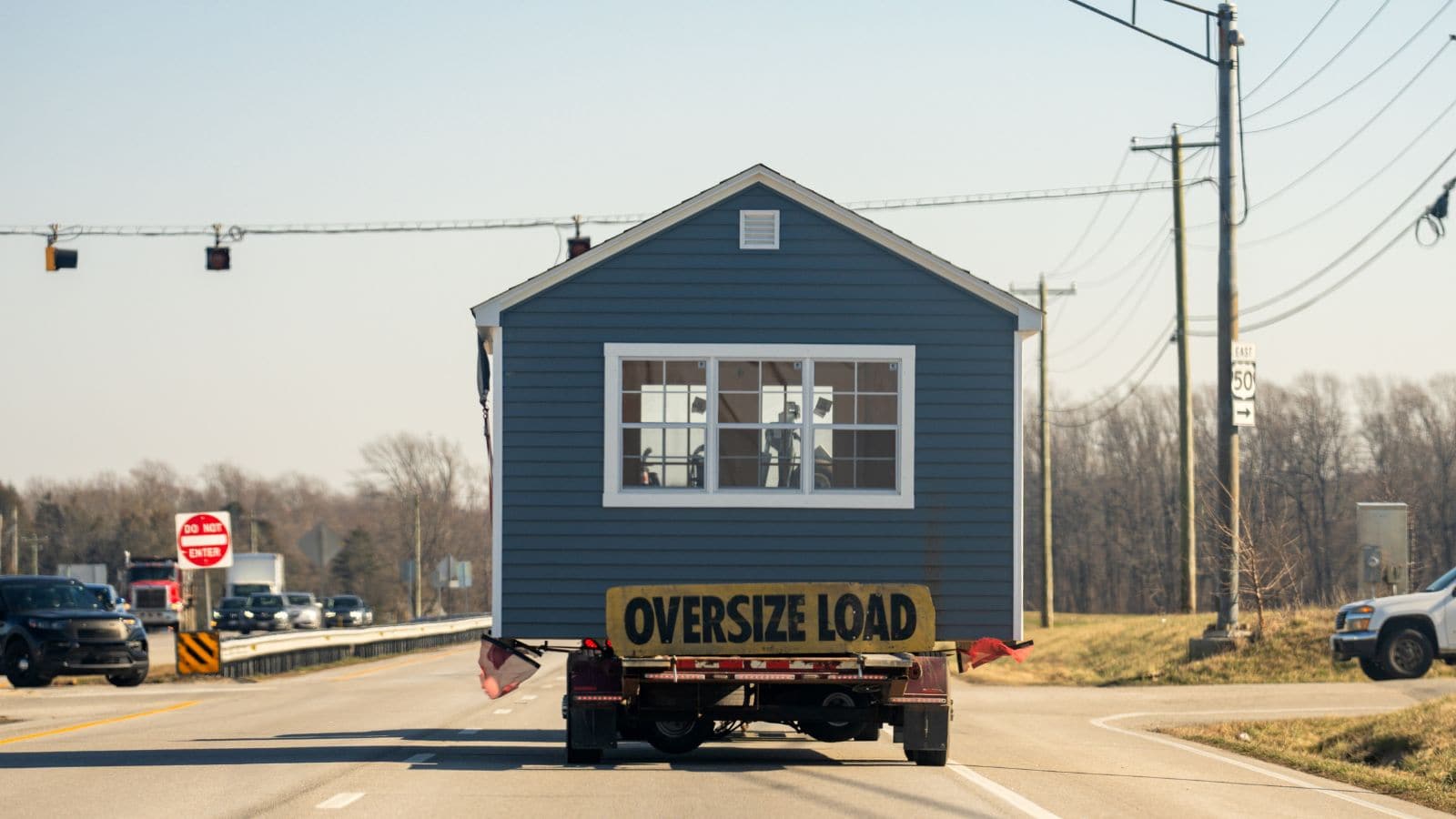
The better choice depends on who is buying and how the property will be used. For individual buyers, the decision often comes down to affordability, financing, customization, and long-term value. For commercial buyers, the bigger concerns are speed, scalability, site requirements, and the intended use of the structure.
Best Fit For Commercial Project Buyers
For commercial buyers, the right option depends heavily on project type, timeline, and long-term goals.
-
Manufactured homes can be a practical choice for workforce housing, temporary accommodations, site offices, or other situations where speed, lower upfront cost, and flexibility are the top priorities.
-
Modular homes are often a stronger fit for commercial projects that require permanent structures, greater design flexibility, or smoother alignment with local building codes and zoning. They are commonly used for rental communities, hospitality projects, classrooms, offices, healthcare facilities, and other long-term assets where appearance, durability, and future value matter more.
Best Fit For Individual Buyers
For individual buyers or aspiring homeowners, the focus is usually on affordability, financing, customization, and long-term value.
-
Manufactured homes often make the most sense when keeping costs down and moving in quickly are the main priorities. They can offer a faster, lower-cost path to homeownership, especially for buyers who do not yet own land or who plan to place the home in a land-lease community.
-
Modular homes are typically the better option for individuals who already own land (or plan to buy land), want more design flexibility, and expect to stay in the home for many years. Because they are usually financed and appraised more like site-built homes, they often provide a stronger path for building equity and protecting resale value over time.
FAQ
Are mobile and manufactured homes the same?
Not exactly. A manufactured home is the modern term for homes built to the federal HUD Code, while mobile home usually refers to factory-built homes made before the HUD Code took effect in 1976.
Can manufactured or modular homes be placed on private land?
Yes, both can be placed on private land in many cases, but zoning, foundation requirements, utility access, and local placement rules can affect what is allowed.
Which option is usually faster to deliver?
Manufactured homes are often faster to produce and install because they are built largely as complete units in the factory, while modular homes typically involve more on-site assembly and local permitting.
Are factory-built homes a good choice for first-time buyers?
They can be. For buyers focused on affordability and a faster path to homeownership, factory-built homes can offer a practical alternative to a traditional site-built house.