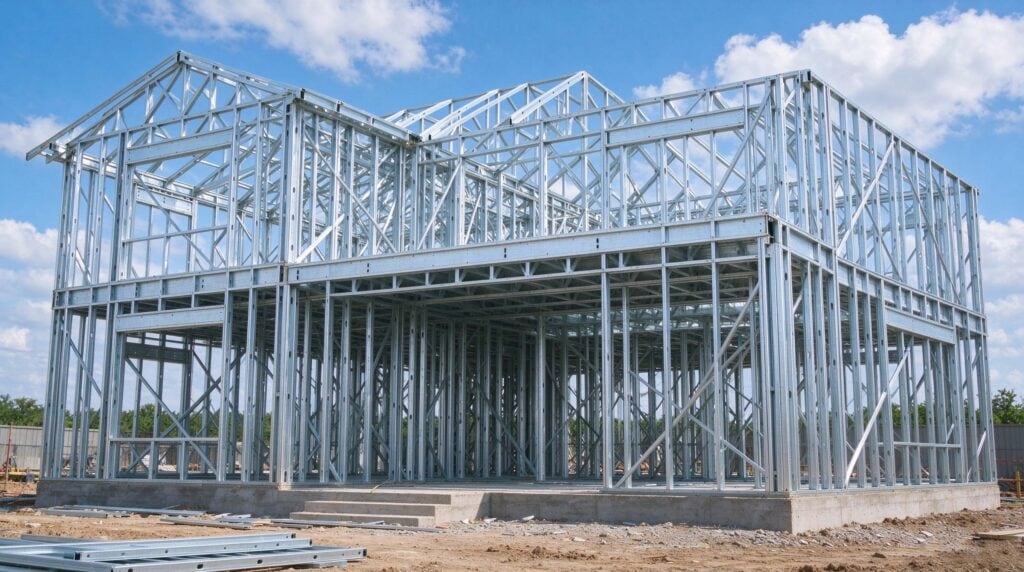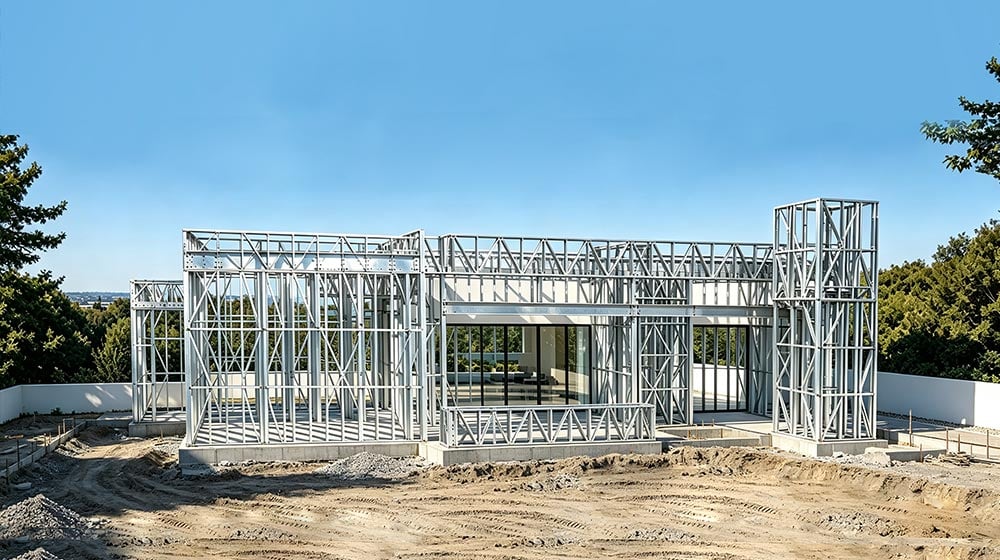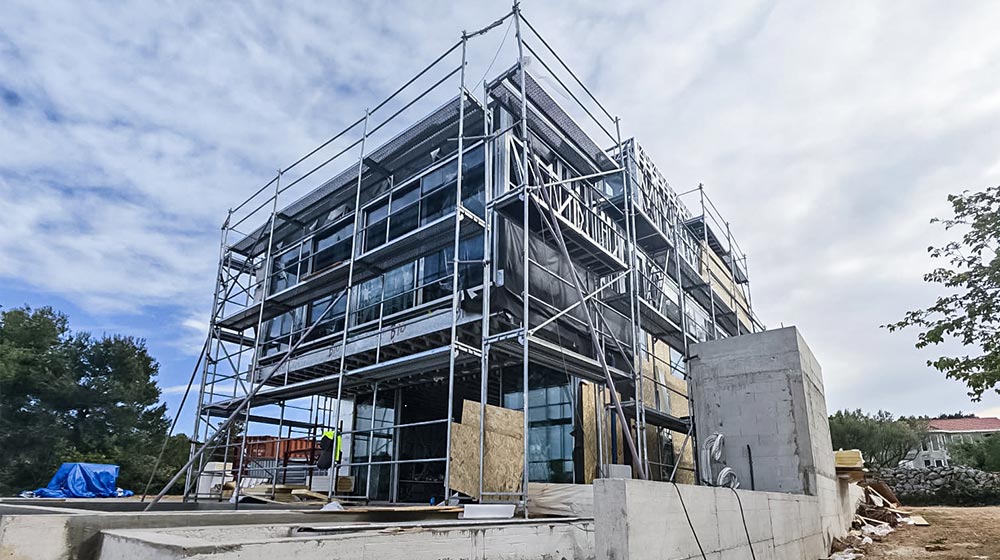
If you’ve ever managed procurement for hotels, workforce housing, government projects, or custom villas, you already know the three bottlenecks:
weather delays, labor-driven budget overruns, and supply chains that feel like a black box when audits come.
We are a light gauge steel (LGS) prefab manufacturer. But this is not a “soft advantage” pitch.
This is an engineering‑first, procurement‑ready approach.
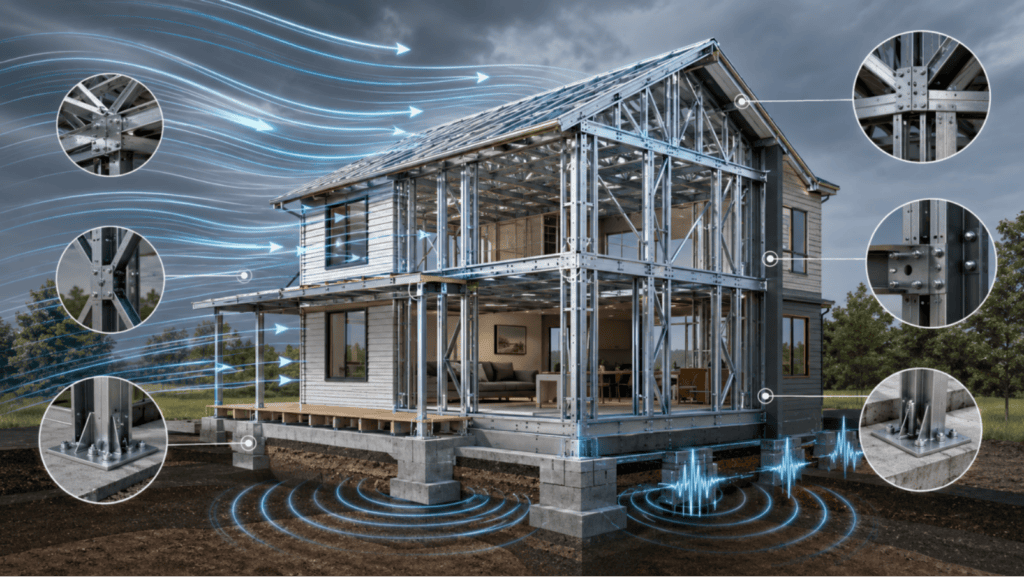
Below, I break down how 2–3 month delivery works, where the 30–50% cost savings actually come from, and why full traceability is no longer optional—plus three real‑world project profiles in the exact format procurement teams use for RFQs.
The Performance Baseline Every RFQ Should Start With
Before looking at individual projects, here is the technical floor we build from:
Delivery: 2–3 months from contract to site handover (including permitting support)
Cost: 30–50% lower than traditional wood frame or legacy modular
Wind resistance: 120+ mph (tested)
Seismic: Zone 4 compliant
Corrosion: C5‑M marine (with material selection)
Certifications: ASTM, EN, AS, ISO – with audit-ready logs
Deployed: US, Australia, EU, remote island nations
Click it >>
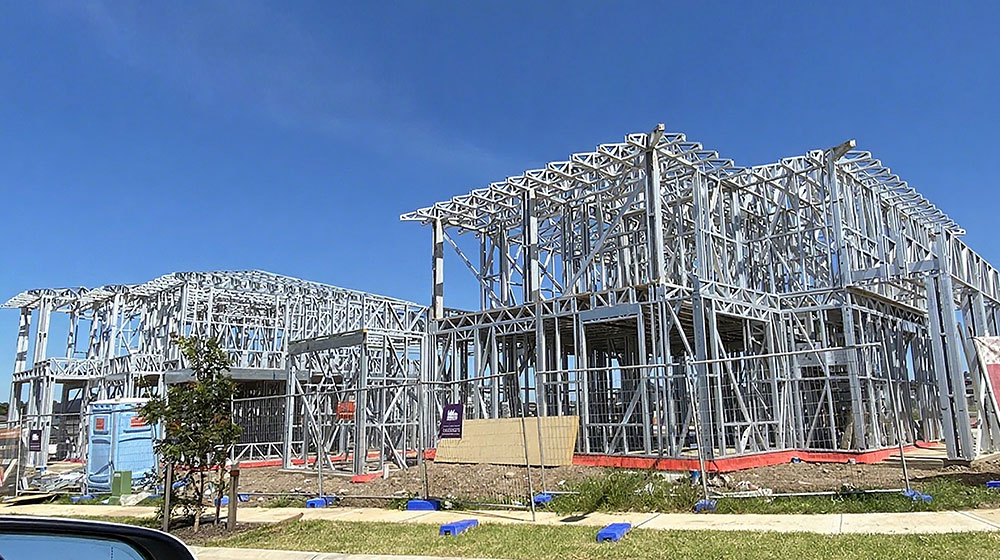
Project : 12‑Unit Custom Home Development – Annecy, France (Alpine Foothills + Historic Buffer Zone)
Constraints
Wind gusts: 110 mph local microclimate
Hard 10‑week deadline before winter freeze
Cost target: 40% below concrete/timber
Compliance: EN 1090‑1 Execution Class 2
What we delivered
Cold‑formed LGS cassette modules
Factory‑finished timber cladding (no on‑site cutting waste)
Pre‑plumbed MEP pods
Full audited supplier registry + materials passport per home (before truck loading)
Click it >>
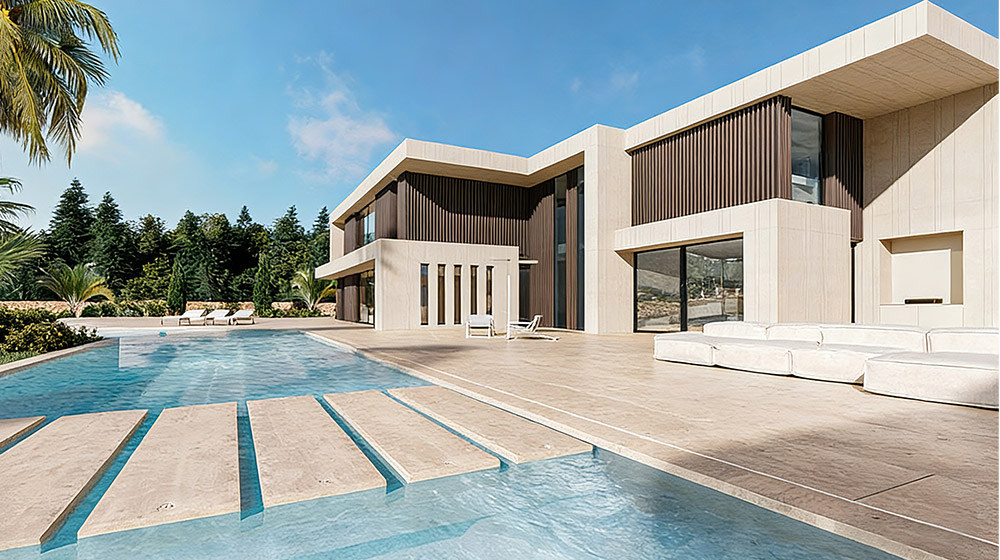
Project 2: Private Passive House Villa – Australia (Passive Spec + Narrow Site Access)
Constraints
Passive house energy spec
Strict DIN & EN 1090 compliance
Very narrow site access (modular impossible with legacy systems)
What we delivered
Pre‑insulated LGS cassette system
Thermal‑break detailing
Per‑module Excel logs: coil ID, galvanization batch, fastener lots, insulation certs
Why the client chose us
Full material traceability from steel coil to finished wall.
No “substitute materials” risk. Every component can be traced back in under 20 minutes.
For luxury or passive house projects: LGS is not a compromise. It’s the only way to guarantee thermal bridging + traceability simultaneously.
Where the 30–50% Cost Savings Actually Come From
Legacy modular fails on logistics. Wood frame fails on labor and weather.
Our cost advantage is structural:
No weather holds – 80%+ factory work
30–50% less site labor – cassette systems + pre‑plumbed MEP pods
Zero on‑site cutting waste – material waste <3%
Faster approvals – sealed engineering + traceability = shorter permitting
Lower logistics cost – LGS is light, containers pack tighter than timber or concrete
We do not “save by cutting corners.” We save by cutting site days.
Full Traceability: From Mill Certificate to Anchor Bolt
For government, hotel, and EU projects, traceability is now a compliance requirement, not a nice‑to‑have.